 Debby Wijaya

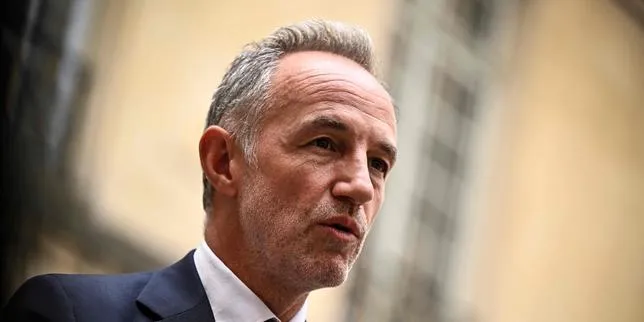
BERLIN — The deradicalization process for Abdul B., the suspected perpetrator of the brutal attack during the Christopher Street Day (CSD) 2026 celebration in Berlin, is now under intense scrutiny. Thomas Mücke, Managing Director of the Violence Prevention Network, revealed that interactions with Abdul B. during the program showed a pattern of “very controlled” responses. This statement raises profound questions about the effectiveness and challenges in deradicalization efforts for individuals involved in extremist actions.
The CSD Berlin 2026 incident, which killed one person and injured several others, has shaken Germany, bringing the issue of domestic extremist threats back to the forefront. Abdul B., who is suspected of having radical ideological ties, was placed in the Violence Prevention Network program with the hope of eliminating his extremist views.
Mücke, who has extensive experience in handling similar cases, explained that conversations with Abdul B. often took place in a measured atmosphere. "He was very controlled in his answers," Mücke stated, indicating a self-defense mechanism or an unwillingness to openly express his deepest thoughts.
The deradicalization program aims to change radical mindsets through intensive dialogue, psychological counseling, and social reintegration. However, Abdul B.'s controlled demeanor presents a significant challenge for counselors. This complicates efforts to access the root causes of the extremist ideology he may hold.
Security and intelligence experts highlight the importance of understanding the psychology behind individuals like Abdul B. A closed attitude can be an indication of deeper ideological infiltration or a strategy to conceal true intentions from authorities and counselors.
The CSD Berlin 2026 case has reopened national debate on handling terrorism threats, particularly those rooted in extremism. Police Unions have even urged the removal of Islamist figures deemed dangerous from the public sphere, reflecting widespread concern.
The Violence Prevention Network itself is an organization dedicated to preventing extremism and radicalization, collaborating with the government and law enforcement agencies. They deal with a wide spectrum of individuals, ranging from right-wing extremists to individuals influenced by Islamist ideologies.
In this context, some experts have pointed out potential systemic failures in handling the CSD Berlin 2026 terror attack, underscoring the complexity of radicalization prevention. This challenge lies not only in early identification but also in the effectiveness of intervention programs.
Mücke emphasized that despite facing difficulties, deradicalization efforts must continue. The success of the program depends on the counselors' ability to build trust and understand the motivations behind the closed attitude of radicalized individuals.
Abdul B.'s situation adds to a long list of cases where psychological and sociological approaches are crucial in combating extremism. The outcome of Abdul B.'s deradicalization program will be highly anticipated, not only for justice but also for formulating more adaptive strategies for handling extremism in the future.