 Chandra Wijayanto
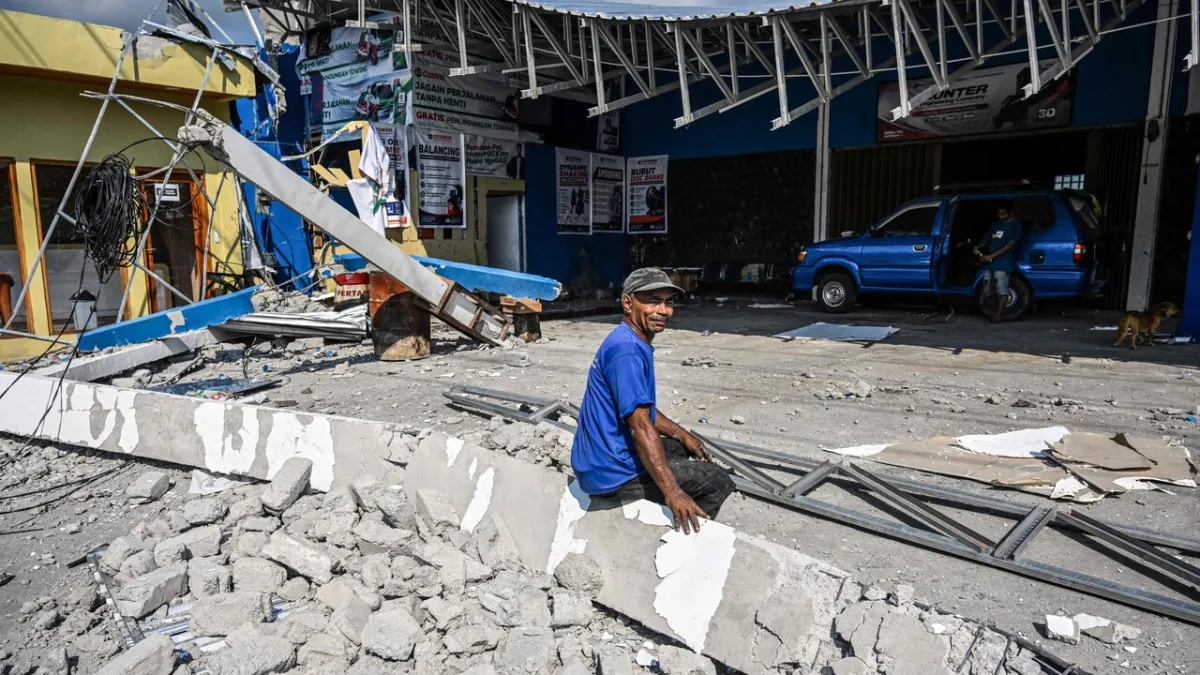
BEIRUT – Tensions in the Middle East have reached a boiling point after Israeli Defense Minister Yoav Katz issued a stern warning, threatening to unleash attacks 'with full force' on Lebanon. This declaration follows a tragic escalation the previous day, when Israeli airstrikes reportedly claimed the lives of at least 11 civilians in southern Lebanon, sparking a wave of international condemnation.
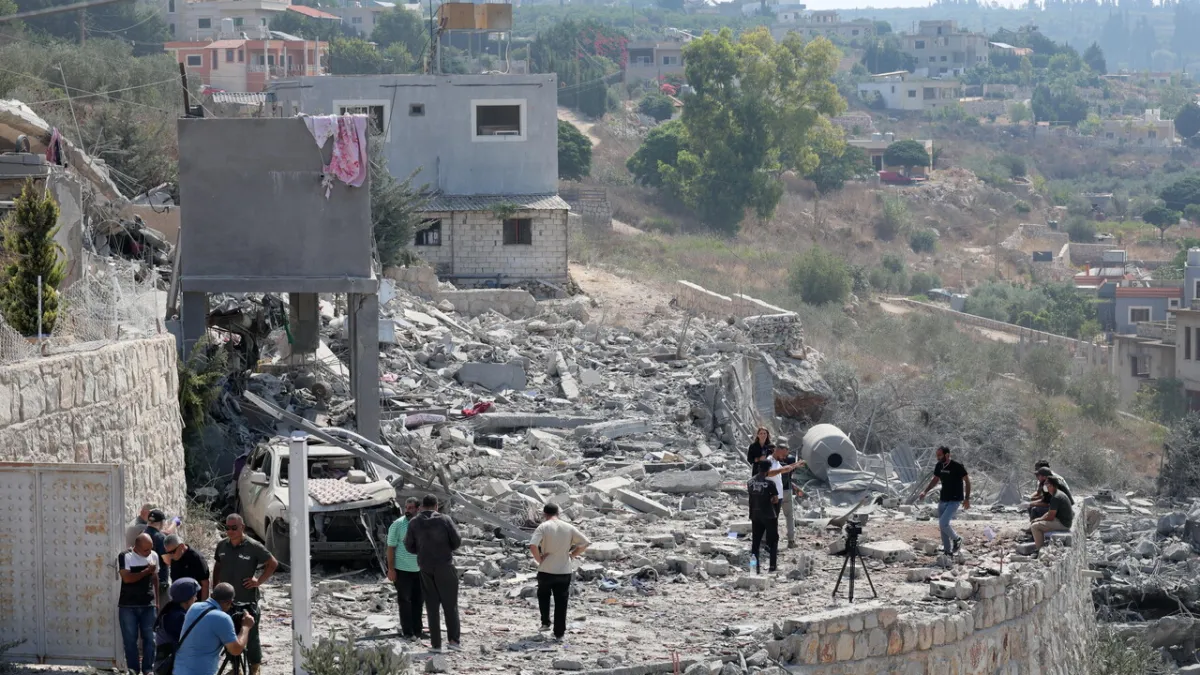
The deadly incident, which occurred in several locations in southern Lebanon, has worsened the fragile security situation. Local medical sources reported that among the deceased were women and children, underscoring the humanitarian impact of the ongoing conflict along the border.
Yoav Katz, during a televised press conference, stated that Israel would not tolerate further aggression from Lebanese territory. 'We will strike with all our might if these provocations continue. Lebanon will pay a heavy price for any act of terrorism launched from its soil,' Katz declared, projecting a harsh tone of warning.
Katz's statement explicitly indicates that Israel is prepared to significantly escalate its military response. This is not mere rhetoric but a clear signal of a potential large-scale military operation that could alter the dynamics of the regional conflict.
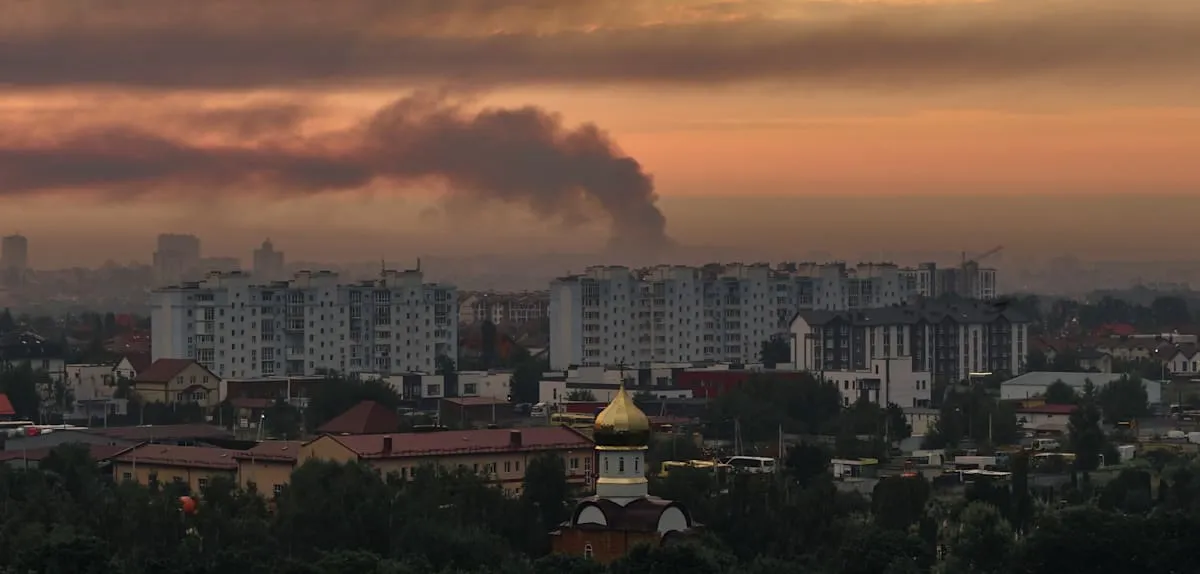
The airstrike that killed 11 people was one of the deadliest incidents in southern Lebanon in recent times. The targeted areas are known as pockets of armed groups frequently engaged in cross-border exchanges of fire with Israeli forces.
The international community, including the United Nations, has called for immediate de-escalation and restraint from all parties. The UN Secretary-General has reportedly held emergency meetings to discuss the crisis, emphasizing the importance of protecting civilians and adhering to international humanitarian law.
However, Israel's response indicates that it views this incident as a serious violation of its sovereignty. They assert their right to defend themselves from threats originating from Lebanon, particularly from groups perceived as affiliated with Israel's arch-enemies.
The situation on the Israel-Lebanon border has been tense for years, with sporadic incidents often raising fears of a broader conflict. This latest escalation, with its significant death toll and an open threat from a defense minister, raises that risk to an alarming level.
Residents on both sides of the border now live in fear of retaliatory attacks. Many families in southern Lebanon have begun to evacuate, seeking refuge in areas considered safer, anticipating the possibility of more intense military operations.
The Lebanese government has not yet issued a comprehensive official statement regarding this latest threat. However, diplomatic sources indicate that they are working to garner international support to ease tensions and prevent open warfare.
Geopolitical analysts view this situation as one of the most critical moments in the Middle East throughout 2026. With the United States under President Donald Trump's leadership focused on regional stability, diplomatic pressure is expected to increase to prevent a full-scale armed conflict.
A wider conflict between Israel and Lebanon has the potential to draw in other regional and global actors, potentially triggering a larger humanitarian crisis and disrupting global energy supplies. Therefore, de-escalation measures are highly crucial.
Editorial Insight: This escalation highlights the fragility of peace on the Israel-Lebanon border. Yoav Katz's threat, coming after significant civilian casualties, substantially increases the risk of a wider conflict. Moving forward, diplomatic pressure from global powers will be the primary determinant of whether these tensions can be managed or if they will drag the region into a deeper confrontation. The protection of civilians and adherence to international law must be the paramount priority for all parties.