 Gabriella
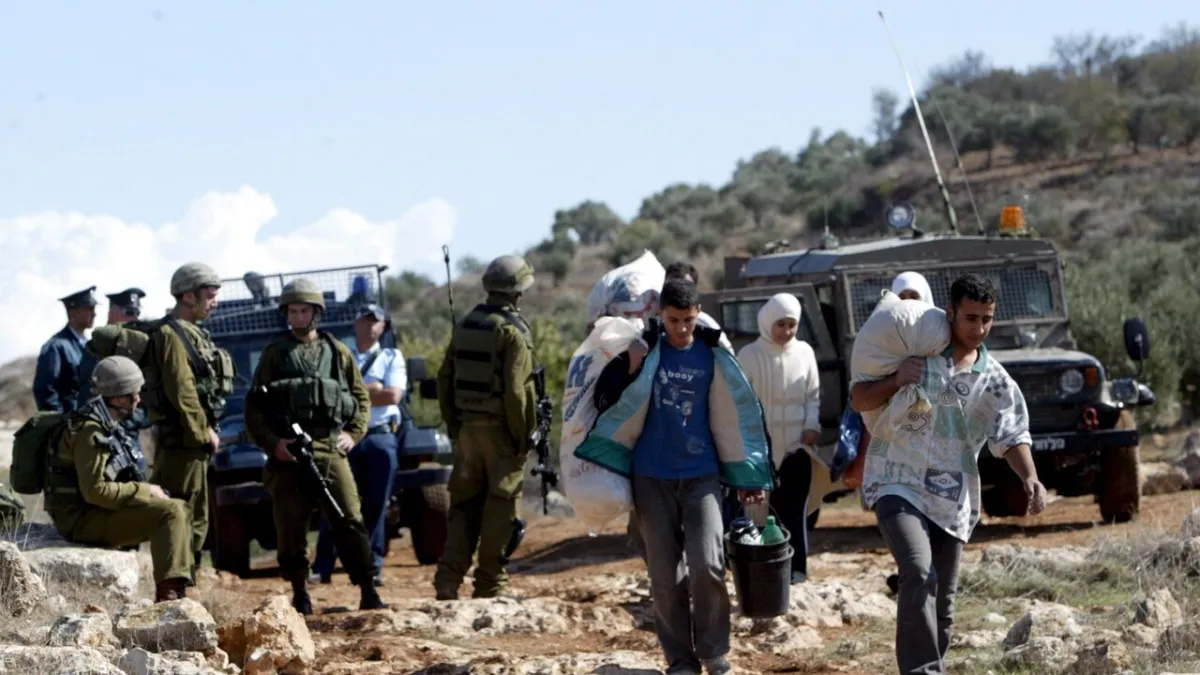
ROME – The Italian government, through its Ministry of Foreign Affairs, Farnesina, has officially demanded a comprehensive explanation from Israel after at least two Italian humanitarian activists were detained by the Israel Defense Forces (IDF) during a military operation in disputed territories, in the first weekend of March 2026. This detention occurred while the volunteers were participating in an olive harvesting program aimed at supporting local communities.
The incident triggered diplomatic tensions, forcing Rome to act swiftly to protect its citizens and uphold the principles of humanitarian aid. This is not the first time international volunteers have faced such incidents in the conflict-prone region.
Sources from the IDF stated that the operation was part of efforts to maintain security in areas deemed sensitive, but did not provide specific details regarding the reason for the activists' detention. They affirmed that actions were carried out according to standard operational procedures.
A Farnesina spokesperson, who wished to remain anonymous, stated, 'We have contacted Israeli authorities at all levels to obtain full information regarding this incident. Our top priority is the safety and immediate release of our citizens, as well as ensuring they receive full consular protection.' This statement reflects the Italian government's deep concerns.
The olive harvesting program has long been a focus for international activists. This activity is often seen as a symbol of peaceful resistance and support for Palestinian farmers facing various challenges. The presence of international volunteers aims to document human rights violations and provide much-needed moral support.
IDF operations against volunteers during the olive harvest are not a new occurrence. Every year, tensions invariably escalate during harvest season, with reports of harassment, expulsions, and even detentions. This exacerbates the humanitarian situation in the long-conflicted region.
This incident has the potential to draw criticism from the international community regarding Israel's handling of humanitarian activists. Global human rights organizations have repeatedly called for the protection of those working in conflict zones and to guarantee freedom of movement.
The Italian government, under Prime Minister Giorgia Meloni's leadership, has shown a strong commitment to international issues and human rights. This incident adds to the list of diplomatic challenges Rome must navigate in balancing bilateral relations with humanitarian advocacy. Domestic policies such as the 2026 Italian Budget, which focuses on youth policies, indicate a progressive domestic direction, yet foreign challenges like this also receive serious attention.
Should a satisfactory clarification not be provided promptly, or if the activists are not released, this incident could escalate into a more serious diplomatic crisis between the two countries. The European Union would likely also voice its concerns and urge for a peaceful resolution.
From Vatican City, Pope Leo XIV would likely reiterate the importance of dialogue, respect for human dignity, and protection for the vulnerable in all conflict areas, although no official statement regarding this specific incident has yet been made.
Editorial Insight: The detention of Italian activists by the IDF highlights the complexity of the conflict in disputed territories and the dilemma faced by Western nations in balancing diplomatic interests with human rights advocacy. This incident is not merely about individual detentions, but a reflection of the ongoing friction between military security and humanitarian missions. The Italian government must be firm, not only for its citizens' sake but also to uphold international principles. Israel's reaction will significantly determine the direction of bilateral relations and the global community's response to their practices on the ground.