 Demian Sahputra
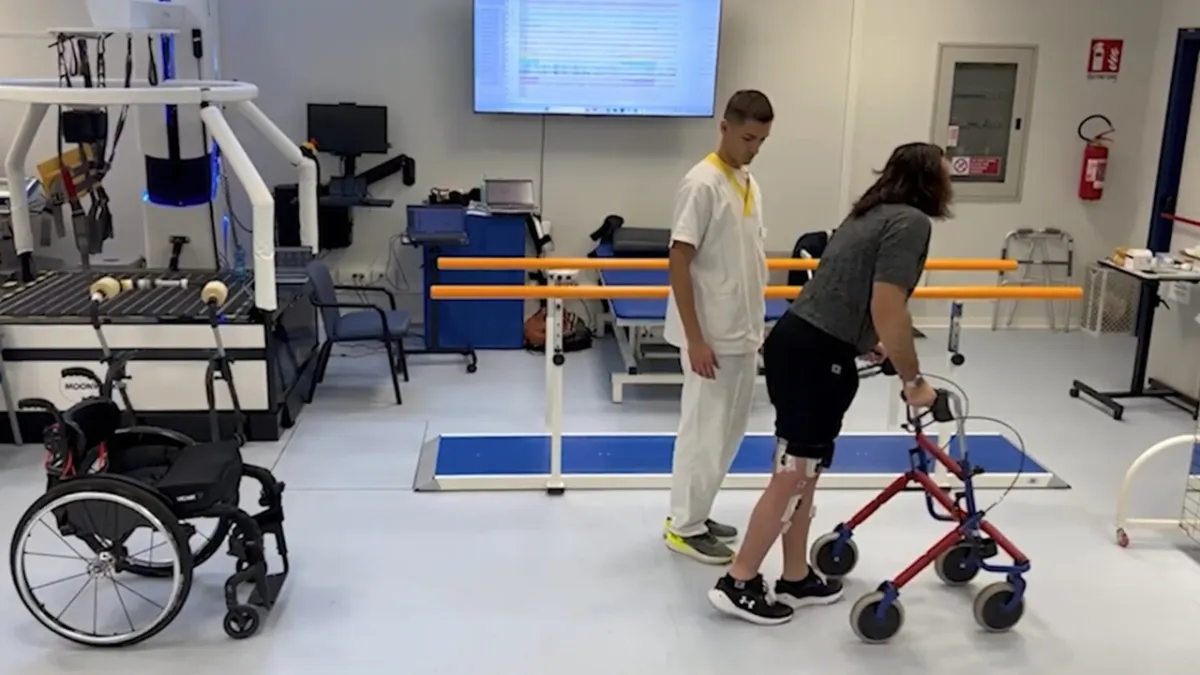
MILAN – A beacon of new hope for individuals suffering from paralysis now shines brightly on the global medical stage. Four previously completely paralyzed individuals have successfully regained their ability to walk, thanks to a revolutionary neurostimulator technique developed and tested in Italy. This medical breakthrough is not merely a scientific achievement; it is a tangible manifestation of persistent research and innovation with the potential to transform the quality of life for millions worldwide.
This extraordinary success was announced after a series of intensive clinical trials involving neuroscientists, biomedical engineers, and a multidisciplinary rehabilitation team. The patients, who suffered from paralysis following spinal cord injuries, showed significant positive responses to an advanced neurostimulator implant that intelligently restores severed neural connections.
According to Dr. Pietro Mortini from San Raffaele Hospital, this technique focuses on controlled electrical stimulation of the spinal cord. We are not just restoring motor function but also giving patients the opportunity to regain the independence they had lost, explained Mortini, emphasizing the holistic impact of this innovation. This approach allows signals from the brain to bypass damaged areas of the spinal cord and reach leg muscles.
Silvestro Micera, a leading scientist from Scuola Superiore SantAnna, added that the development of this technology is the result of long and complex cross-disciplinary collaboration. The algorithms we use are extremely precise, capable of adjusting stimulation based on the patient's intended movement. This is a significant leap from conventional therapy, said Micera, highlighting the adaptive intelligence of the system.
Sandro Iannaccone from Mine Lab, an entity playing a crucial role in hardware development, expressed optimism. Our implant design is conceived to be minimally invasive and offers long-term durability. This paves the way for broader clinical applications in the future, he stated, underscoring the critical engineering aspects.
This innovative method involves implanting a small chip connected to electrodes in the spinal cord area. The chip is then synchronized with an external device that can be controlled by the patient or therapist, allowing for the neural stimulation necessary to reactivate leg muscles. The progress in walking therapy demonstrates that nerves previously considered dormant can be reawakened with appropriate intervention.
The four patients involved in this initial study have undergone intensive rehabilitation processes. They reported substantial improvements in their ability to stand, step, and even walk with the aid of support devices. Some have even begun to walk without full assistance, an achievement previously only dreamt of.
This accomplishment places Italy at the forefront of neurotechnology research, strengthening its reputation as a hub of medical innovation. Its potential impact is vast, offering hope to millions worldwide living with paralysis and mobility limitations.
So far, the research team continues to monitor the long-term progress of the patients and refine the technique. The data collected will form the basis for the next phase of clinical trials, which are expected to involve more patients and a variety of paralysis conditions.
This success aligns with global efforts to address chronic health challenges and improve quality of life. For more information on similar breakthroughs, readers can explore the article Italian Medical Breakthrough: Four Paralyzed Youths Walk Again Thanks to Neurostimulator which discusses the initial details of this technology's development.
Editorial Insight: This neurostimulator breakthrough from Italy heralds a new era in spinal cord paralysis treatment. It is not just a story about four individuals walking again but also a demonstration of the power of scientific and technological collaboration. Its long-term impact is expected to revolutionize rehabilitation, drive further investment in neurotechnology, and fundamentally alter the paradigm of what is possible for patients with severe nerve injuries. The next challenges lie in scalability, accessibility, and cost, which will determine how widely this innovation can benefit society.