 Chris Robert
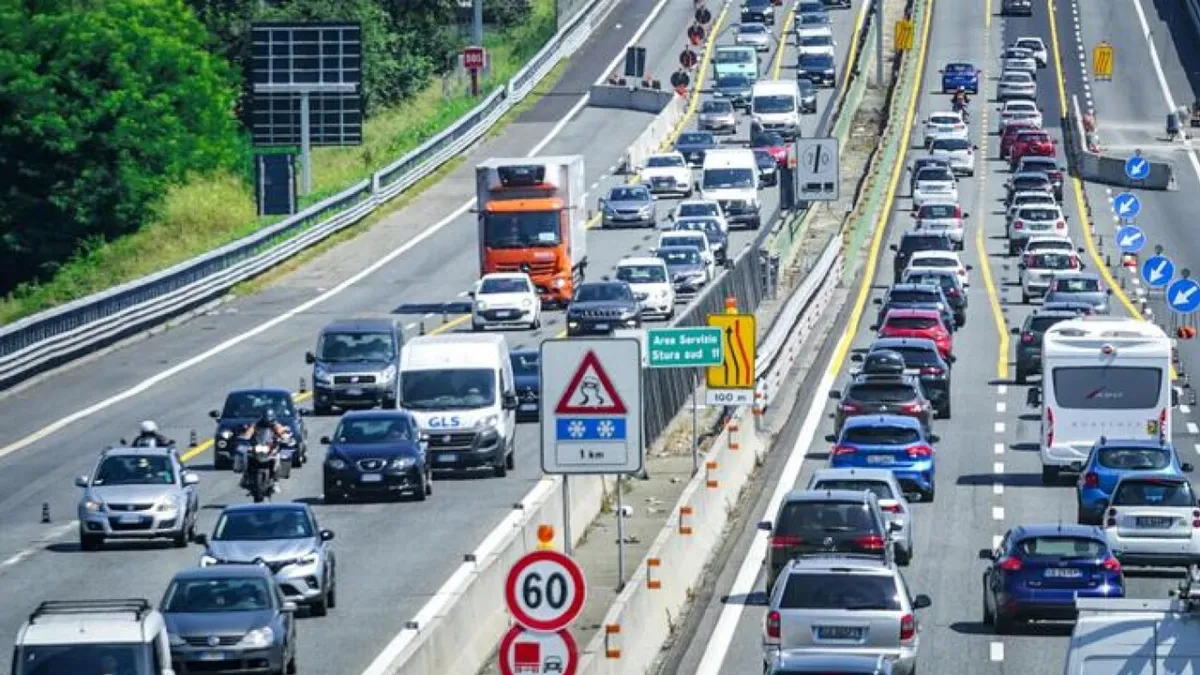
ROME – Millions of motorists across Italy are bracing for the peak of the 2026 summer holiday return journey, with an estimated 27 million vehicles expected to congest national roads this Saturday and Sunday. This phenomenon, marking the conclusion of the holiday period, is accompanied by welcome news regarding the imminent end of the country's sixth heatwave, with significant temperature drops projected to begin on Wednesday.
This mass movement of vehicles constitutes the controesodo or final counter-exodus, a term describing the major return wave after extended holiday breaks. The figure of 27 million vehicles underscores an extraordinary scale of mobilization, potentially creating massive traffic jams across Italy's primary highway network, from the northern regions to the southern peninsula.
Transport authorities have issued warnings for travelers, advising careful journey planning and the consideration of alternative modes of transport where possible. Traffic density is expected to peak on Saturday afternoon and Sunday evening, as millions of families endeavor to return to major cities to resume work and school routines.
Simultaneously, Italy is also witnessing the final moments of its sixth heatwave, which has persisted for a considerable duration. This period of extreme temperatures has tested the resilience of infrastructure and public health, with many regions recording alarming record high temperatures throughout the summer of 2026.
The national meteorological agency predicts that significant changes will occur starting Wednesday, as cold air masses from the north begin to move in, leading to a noticeable temperature drop across most parts of the country. This phenomenon is expected to bring much-needed relief after weeks of scorching sun.
While the temperature decrease is welcomed, such drastic weather changes also have the potential to trigger atmospheric instability, such as localized thunderstorms or heavy rainfall, which could further exacerbate already congested traffic conditions. Vigilance remains key for all road users.
Previous experiences indicate that Italy's transport infrastructure often faces severe challenges during peak periods like this. Incidents like the chaos at Roma Termini station or train delays are common, emphasizing the need for improved inter-agency coordination.
The effects of the heatwave, now subsiding, were felt not only on the roads but also in the tourism and agricultural sectors. Many farmers experienced significant losses due to drought and high temperatures, while tourist destinations had to adapt to extreme weather conditions to ensure visitor comfort.
Local governments and traffic police have deployed additional personnel to congestion-prone areas and main routes. They aim to manage vehicle flow, provide updated information, and are prepared to respond to any incidents to ensure the smooth transit of millions of citizens.
The simultaneous conclusion of the heatwave and the peak return journey reflects Italian society's adaptation to climate dynamics and modern mobility patterns. This demands readiness not just from individuals, but also from public systems and services.
Despite significant logistical and weather challenges, the spirit of Italian citizens to enjoy their holidays and return safely remains high. Coordination among various parties, from road operators to emergency services, is crucial to ensure smooth and safe travel.
Editorial Insight:
This peak return migration and abrupt climate shift in Italy underscore the urgency of mitigating climate change impacts and enhancing infrastructure capacity. While this event recurs annually, its scale and intensity, particularly the heatwave, demonstrate that long-term planning for mass mobility and extreme weather phenomena is a vital investment for national resilience.