 Angel Doris
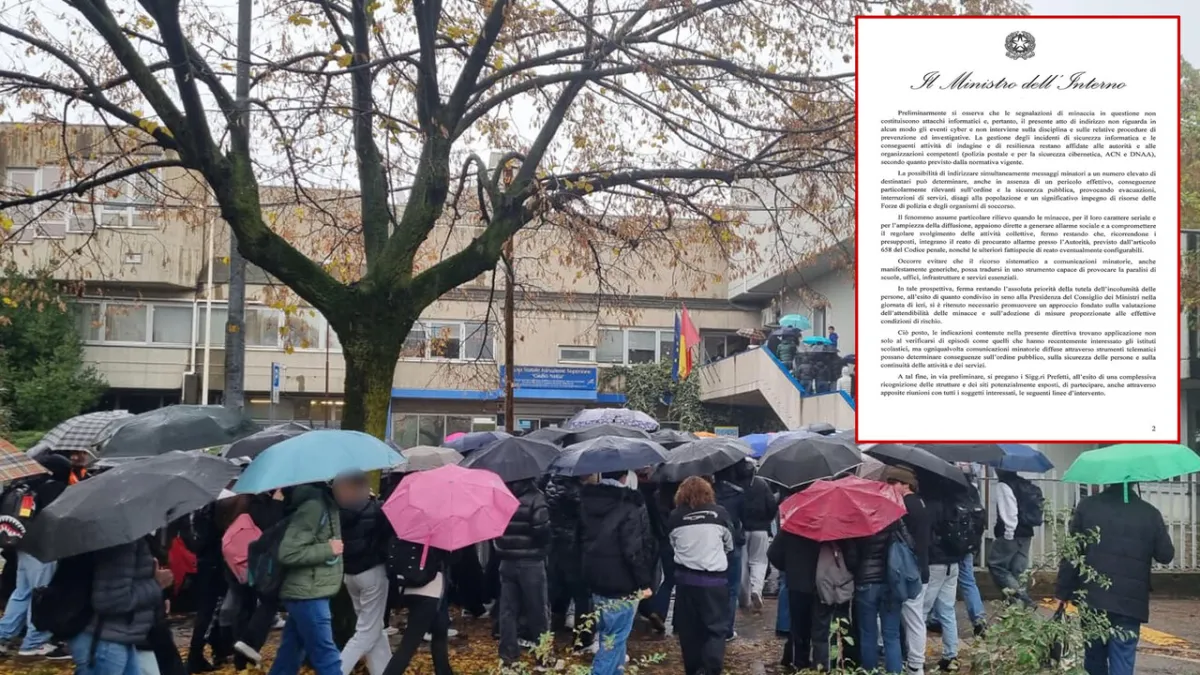
Rome – Italy's Ministry of Interior, Viminale, issued significant new guidelines in 2026, revising protocols for handling bomb threats received via email, commonly known as mail bombing. Through an official circular, the government affirmed that threats delivered massively through email are generally considered unreliable unless supported by the discovery of suspicious objects or a history of previously validated threats. This policy aims to curb public panic and the workload on emergency services caused by digital hoaxes.
This step follows a series of incidents where public facilities and vital offices across Italy were frequently targeted by email bomb threats that proved to be false. The practice of mail bombing involves sending mass threat messages to numerous recipients simultaneously, often with no specific objective other than to cause disruption and fear. This re-evaluation of threat credibility marks a shift in security strategy in confronting increasingly sophisticated digital intimidation tactics.
According to the guidelines published by Viminale, the primary priority remains citizen safety. However, officers are now required to conduct a more careful evaluation of the source and content of email threats before deciding on evacuation measures or deploying significant resources. The presence of suspicious objects on site, such as unattended packages or bags, or prior intelligence information about specific threats, will be the determining factors in triggering a full emergency response.
The Italian government recognizes that any threat, credible or not, can cause serious disruption to daily activities and consume valuable public resources. Therefore, this new classification is expected to optimize security responses, ensuring that resources are only effectively used for threats with a strong basis. It also aims to prevent cybercriminals from exploiting the security system by sending empty threats.
A spokesperson from the Ministry of Interior, who requested anonymity, stated, We do not underestimate any threat, but we need to adapt to the reality of the modern threat landscape. 'Mail bombing' threats have often proven to be merely tactics to create mass disruption without real risk.
These guidelines do not mean the public can ignore all warnings. Instead, citizens are encouraged to remain vigilant and report any suspicious activities or objects to the authorities. Active public involvement in maintaining security remains a cornerstone of the emergency response system.
Amid rising global tensions and cross-border security threats, as seen in the interception of an Iranian drone by the US in Bahrain in 2026, Italy demonstrates a proactive step in updating its security doctrine. This adaptation reflects the need to filter 'noise' from genuine threats in an information-flooded era.
Cybersecurity expert Professor Elena Ricci from the University of Rome underscored the importance of this move. This risk-based approach is crucial. Too many false evacuations can create response fatigue and ultimately make the public less responsive to actual dangers, she stated during a public discussion. Governments must educate the public about the difference between verifiable threats and disinformation attempts.
The new guidelines also emphasize collaboration among law enforcement agencies, intelligence, and cyber units. Rapid information exchange and intelligence data analysis will be key to accurately assessing the credibility of incoming threats, especially those originating from digital channels.
Key parameters for evacuation now include:
- Discovery of suspicious objects with potential to be dangerous.
- A history of credible threats from the same source.
- Intelligence information corroborating a specific threat.
- Eyewitness accounts of suspicious activity related to the threat.
This policy update is expected to maintain a balance between high vigilance and the prevention of unnecessary disruptions, while ensuring that Italy is prepared to face various forms of security threats in 2026 and beyond. The focus shifts from the quantity of digital threats to their quality and validity.
Editorial Insight:
The Italian Ministry of Interior's move to clarify responses to email bomb threats reflects a critical adaptation to modern security dynamics. While potentially reducing disruption, this policy also demands public vigilance and assurance that field officers are adequately trained to distinguish between hoaxes and real threats. The challenge lies in consistently enforcing these guidelines without creating security vulnerabilities.