 Gabriella
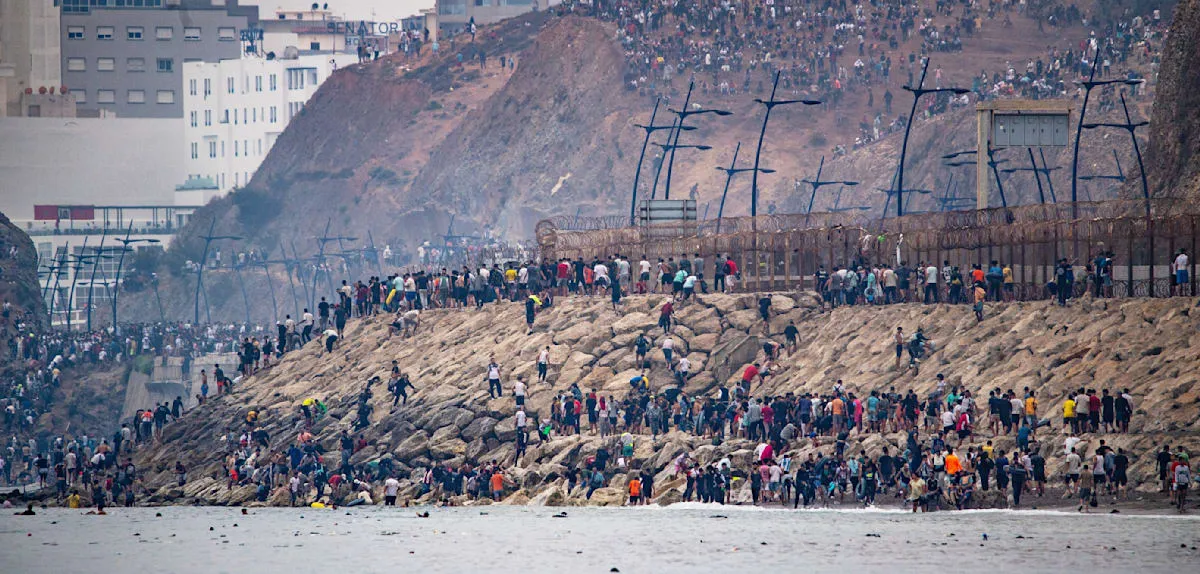
ROME – The Italian government has surprisingly announced a temporary suspension of the Schengen Agreement with Spain, effective this week. This drastic decision comes as a direct response to the escalating migrant crisis in the Spanish enclave of Ceuta, which witnessed an influx of tens of thousands of individuals illegally. Consequently, Italy is now implementing strict controls at its sea and air borders with Spain. German Chancellor Friedrich Merz has also spoken out, urging Spain and Morocco to take concrete steps to address the root causes of migration.
Rome's protective measure underscores the urgency of the migration situation in Europe, especially after thousands of migrants flooded the Ceuta border recently. The incident in Ceuta, a Spanish enclave in North Africa, has triggered serious concerns regarding the integrity of the EU's external borders and member states' capacity to manage them. The Ceuta migrant crisis has become a global spotlight, with profound geopolitical implications.
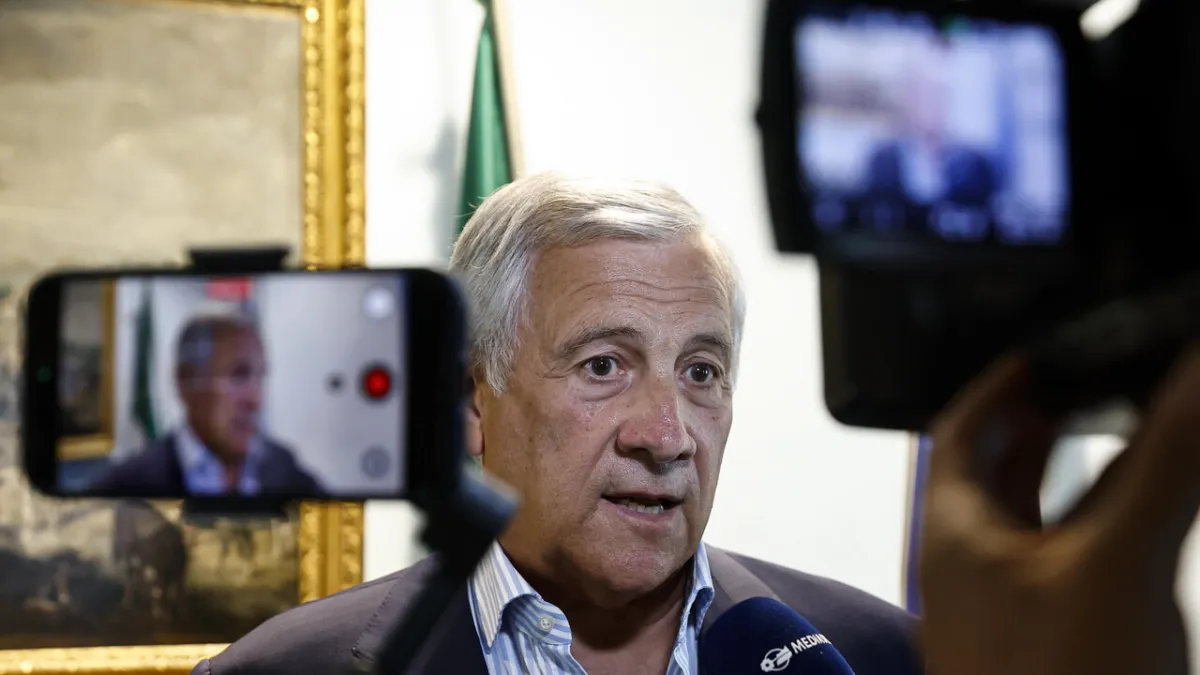
Italian Prime Minister, Giorgia Meloni, in a virtual press conference from Chigi Palace, affirmed that this action is an essential effort to \"defend Europe's borders.\" She emphasized the necessity of solidarity among member states, but also highlighted the need for decisive action when this principle is not met. \"We cannot stand idly by and watch the Schengen borders constantly tested without a response,\" Meloni stated on Monday, July 20, 2026.
The suspension of the Schengen Agreement fundamentally alters the dynamics of free travel between EU countries typically enjoyed by EU citizens and residents. Although temporary, this decision sends a strong signal to Madrid regarding Rome's dissatisfaction with the handling of the crisis in Ceuta. Passengers traveling to or from Spain via Italy by sea and air will now face more intensive identity document checks, similar to procedures before the Schengen era.
Indeed, the crisis in Ceuta has sparked a wave of criticism from various EU member states. The chaotic situation, where tens of thousands of people, including many minors, flocked across the border, has exposed the vulnerability of Europe's border system. This wave of migrants has placed immense pressure on Spain's infrastructure and public services.
German Chancellor Friedrich Merz, through his spokesperson in Berlin, expressed his concern. Merz urged the Spanish and Moroccan governments to collaborate more closely in controlling migrant flows. \"The situation at the Ceuta border is unacceptable. Spain and Morocco share a common responsibility to ensure regional stability and security,\" said Chancellor Merz's spokesperson.
Merz's statement echoes sentiments long voiced by some European leaders, who suspect geopolitical manipulation behind the surge in migration. Some analyses suggest that Morocco may be using the migration issue as a bargaining chip in its diplomatic relations with Spain and the EU. Indications of this manipulation are a serious concern in Brussels.
Italy's decision is not the first in Schengen's history. Several countries have suspended the agreement in emergency situations, such as terrorist threats or health crises. However, the context of this suspension, rooted in a massive migrant crisis at an external border, marks a significant precedent for the future of EU immigration and border policies.
The Spanish government, through the Ministry of Foreign Affairs, expressed regret over Italy's move. Madrid asserted that it had taken all necessary measures to manage the crisis in Ceuta and had received significant support from the European Commission. \"We hope that constructive dialogue can be quickly restored to collectively address this issue,\" said a spokesperson for the Spanish Foreign Ministry.
The short-term impact of this suspension is expected to be felt by the tourism and logistics sectors. Thousands of tourists and business travelers who rely on the ease of Schengen travel will face new hurdles. Airlines and shipping companies are confronted with additional operational challenges.
European policy analysts argue that Italy's action could trigger a domino effect, prompting other member states to consider similar steps to secure their borders. This potentially erudites one of the main pillars of European integration: the freedom of movement without borders.
In Brussels, the European Commission stated it would monitor the situation closely and is ready to mediate between Rome and Madrid. A Commission spokesperson emphasized the importance of upholding Schengen principles but also acknowledged member states' right to take protective measures in exceptional circumstances.
The future of free movement within the European Union appears to be facing a severe test. The Ceuta migrant crisis is not merely a regional issue between Spain and Morocco; it has become a fundamental problem threatening the cohesion of Schengen and European unity as a whole. How the EU collectively responds to this challenge will determine the direction of the continent's migration policies in the coming years.