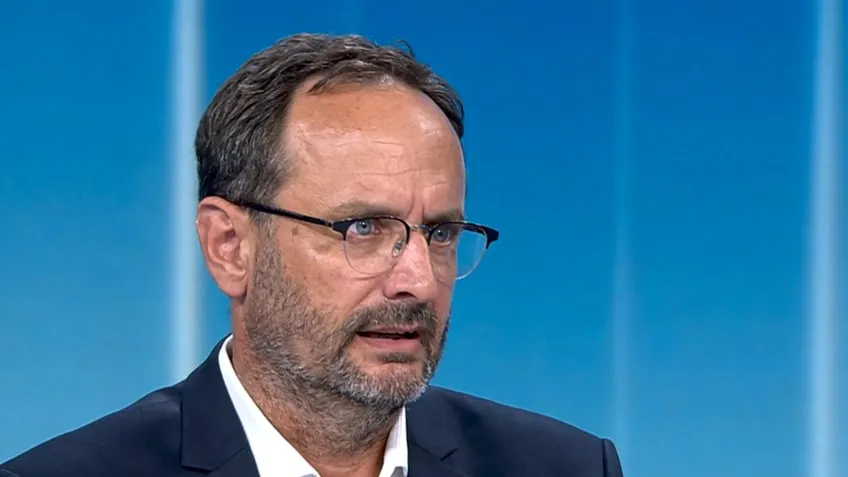
 Angela Stefani

ROME — Italy in 2026 set an impressive record in its labor market, with employment reaching its highest point and unemployment rates dropping to historical lows in the nation's modern history. This significant statement was delivered by Caridi, a key figure in national economic analysis, highlighting a new era of economic stability and prosperity post-pandemic. This achievement stands as a major highlight, signifying the success of a series of government policies and the resilience of the private sector in facing global challenges.
Latest data released by the national statistical institution indicates that Italy's macroeconomic indicators are in prime condition. Labor force participation rates have increased substantially, reflecting public optimism regarding economic prospects and the wide availability of job opportunities across various vital sectors.
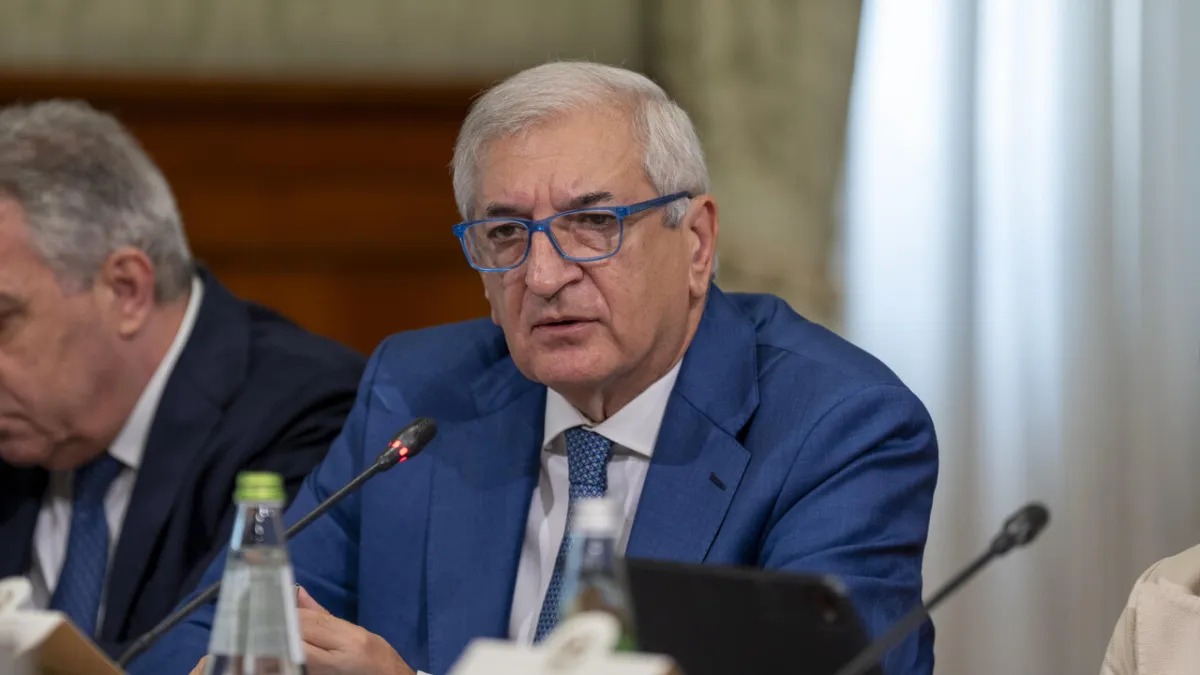
Caridi, during his speech at an economic forum in Milan, affirmed, "We are witnessing an unprecedented peak in employment and a trough in unemployment. These are not just figures; they are a direct reflection of every Italian family now having income security, dignity, and hope for a better future." This statement was met with enthusiasm by industry players and analysts alike.
This increase in employment is inseparable from accelerated investment in strategic sectors. The manufacturing industry, especially those focusing on green technology and electric vehicles, experienced significant growth. The tourism sector also made a powerful comeback, attracting millions of tourists and creating thousands of seasonal and permanent jobs.
The Italian government has launched various effective incentive programs. Labor market reforms, including bureaucratic simplification for startups and tax incentives for companies recruiting new graduates, have been key pillars of this success.
Another driving factor is Italy's success in curbing inflation and maintaining price stability, which in turn increased people's purchasing power. This conducive economic environment encouraged domestic consumption and private investment, forming a positive economic cycle.
Nevertheless, challenges to maintain this momentum persist. Caridi emphasized the importance of continuously investing in human resource quality improvement and innovation. "We must not be complacent. Global competition demands that we always stay one step ahead, especially in technology adaptation and new skill development," he added.
The improved employment rate also positively impacted the young demographic. Government-supported internship and vocational training programs successfully channeled many new graduates into the workforce. This is good news considering the high youth unemployment rates in previous years.
However, reports also highlight anomalies in the Italian education system, where highly qualified graduates sometimes face struggling national exams. The gap between educational curricula and labor market needs remains a task that needs to be resolved to ensure a sustainable supply of skilled labor.
Economist Paolo Rossi from the University of Rome Tor Vergata commented, "This achievement is the result of intelligent fiscal and monetary policy synchronization, coupled with courageous private investment. However, to maintain sustainability, Italy must continue to innovate in education and technology adaptation."
Digital transformation in various sectors also played a crucial role. Italian companies increasingly adopted advanced technologies, from artificial intelligence to automation, which, initially feared to reduce jobs, actually created new types of jobs requiring specific skills.
The government underscored its commitment to continue structural reforms, ensuring that inclusive economic growth can be felt by all segments of society. The goal is not only to maintain this record but also to improve the quality of life and well-being equally.
Proactive steps in addressing climate change also contributed. Significant investments in renewable energy and sustainability projects have opened new job opportunities in line with the global agenda for sustainable development.
Analyses from international financial institutions also appreciated Italy's economic performance. They predict this positive trend will continue for several years, provided the government remains consistent with pro-growth policies and investment in innovation.
This achievement of maximum employment and lowest unemployment is not only a source of national pride but also a positive signal for the European Union as a whole, demonstrating that post-pandemic economic recovery can be achieved through targeted policy approaches and strong collaboration between the public and private sectors.
The future of Italy's labor market appears bright but requires vigilance and continuous adaptation to global economic dynamics. Caridi and other policymakers are expected to continue leading with visionary strategies to keep Italy on this path of progress.