 Chris Robert
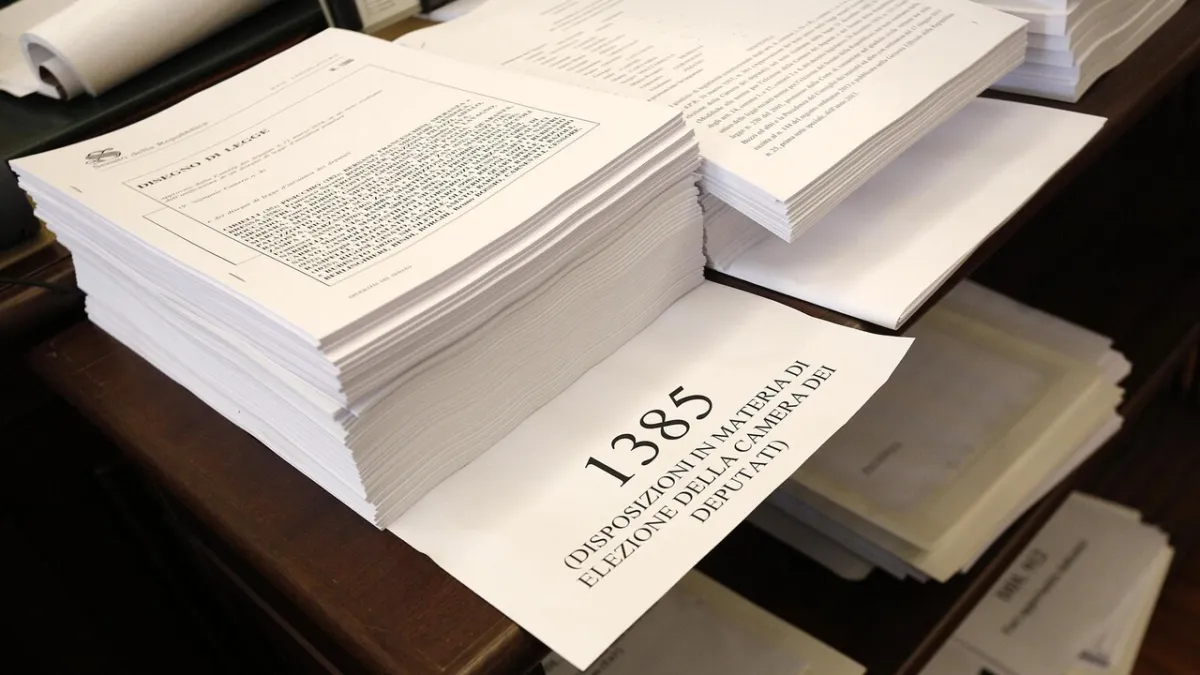
ROME — The center-right coalition in Italy has definitively reached a crucial agreement regarding the revision of electoral law, a step that will introduce preferences with a gender alternation system. This decision, reached during an important meeting of the majority parties, is projected to soon materialize as an amendment presented to the Italian Senate in 2026.
This electoral system reform marks a significant effort by the ruling bloc to ensure a more balanced representation between men and women in the legislature. With the gender alternation preference mechanism, voters are expected to select candidates from a party list with the obligation to alternately choose male and female candidates, or vice versa, according to the rules to be established.
Intense internal discussions preceded this consensus, reflecting the complexity and sensitivity of electoral reform issues. The leaders of the main parties within the coalition, including Lega, Forza Italia, and Fratelli d'Italia, reaffirmed their commitment to advance this agenda as an integral part of a vision for a more inclusive and representative government.
The amendment to be presented to the Senate is expected to be a litmus test for the strength of the coalition and its ability to garner cross-factional support. Although consensus has been reached within the majority, the legislative process in the Italian parliament is often marked by political dynamics that require careful maneuvering.
The implementation of a preference system with gender alternation is not merely a procedural change but an ambitious political statement towards equality. It has the potential to drastically alter the composition of parliament in subsequent general elections, encouraging parties to field more competitive female candidates.
The history of Italian electoral law has undergone various substantial modifications, reflecting the country's political and social evolution. From purely proportional systems to hybrid ones, every reform has consistently sparked fierce debate regarding its impact on governmental stability and democratic representation.
This move also aligns with a growing trend in various European countries striving to increase women's participation in politics. Many nations have adopted quotas or similar mechanisms to address the persistent gender imbalance in their legislative bodies.
Political analyst Dr. Sofia Ricci from the University of Bologna stated, 'The center-right coalition's decision to integrate gender alternation into electoral preferences represents a significant step forward. This is not just about numbers, but about the substantial recognition of women's roles in the public sphere and policymaking.'
Nevertheless, not all parties welcome this proposal without criticism. Some opposition groups may argue that direct intervention in voter choice can be considered a restriction on democratic freedom. Fierce debate is anticipated to color the discussion of the amendment at the Senate level.
The influence of broader European political dynamics, such as the focus on defense budgets and energy issues, may also impact legislative priorities. As highlighted in the articles 'Italy Shakes Brussels: Energy Priorities, Defense Budget 2026 Tightened' and 'Italy at a Crucial Juncture: Giorgetti Discusses Economic Rescue Clause', the complexity of the government's agenda in Italy this year is evident.
Experts also emphasize that effective implementation requires thorough public awareness campaigns for voters. Public understanding of this new system is crucial to ensure its legitimacy and optimal participation in upcoming elections.
This electoral law reform is expected to provide new impetus for the debate on democracy and representation in Italy. Whether it will become a model for other countries or face unforeseen challenges, time will tell. This is a significant moment for Italy's political landscape in 2026.