 Dodi Irawan
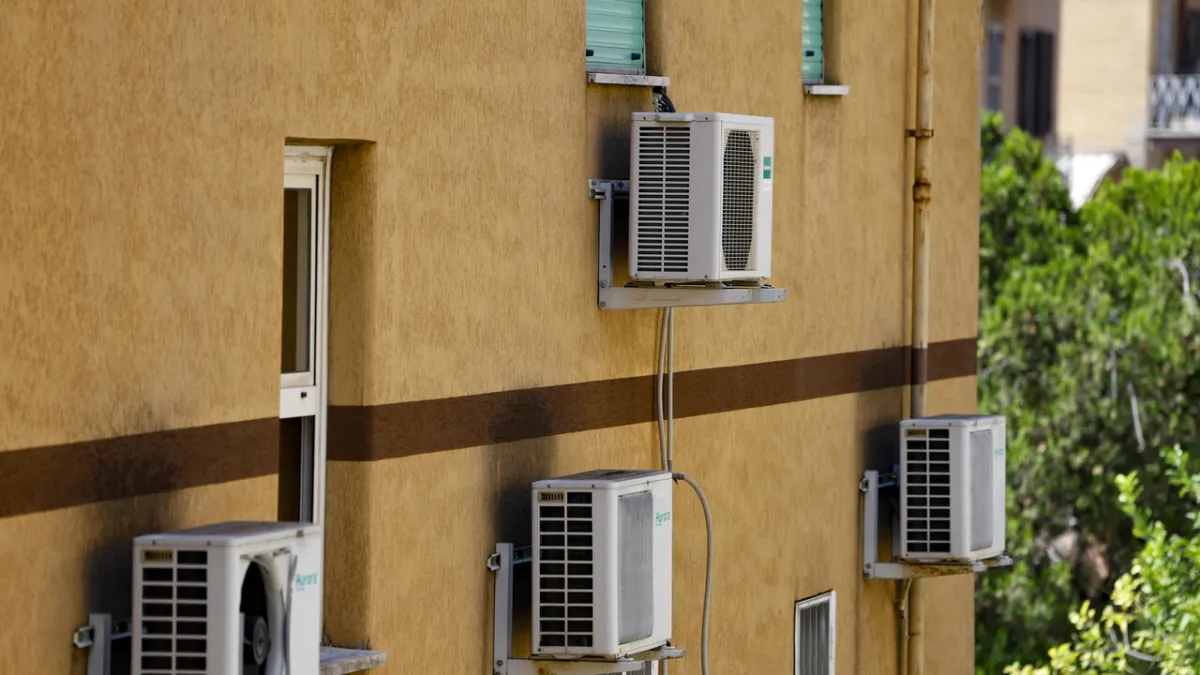
ROME – The Italian government is reportedly developing an ambitious ecobonus scheme, offering subsidies of up to 65% for citizens installing energy-efficient windows and air conditioners. This policy is part of the budget flexibility measures initiated by the government, aimed at promoting environmental sustainability and reducing household energy costs in 2026, as reported by leading economic newspaper Il Sole24 Ore.
This move signals a serious commitment from the Italian government in addressing the global energy crisis and climate change, while also providing an economic stimulus for the construction sector and the manufacturing of energy-efficient appliances. The substantial subsidy is expected to motivate millions of households to switch to more environmentally friendly and efficient technologies.
Initial details of this ecobonus proposal indicate that the incentive will cover the costs of purchasing and installing fixtures such as window and door frames, as well as the latest generation of air conditioning systems. The primary focus is on products with high energy efficiency certifications, ensuring that government investment genuinely leads to significant energy savings.
Economic experts in Rome have welcomed this initiative, although some call for caution in its implementation to avoid over-burdening the state budget. The mentioned budget flexibility is key to ensuring the program's long-term sustainability.
This ecobonus program is expected to curb national energy consumption, reduce carbon emissions, and create new jobs in the green sector. Moreover, similar initiatives have previously proven effective in stimulating local economic growth and increasing property values.
Authorities are also studying potential inflationary impacts and the availability of materials in the market. Strict oversight is necessary to prevent misuse and ensure that the subsidy reaches the correct recipients, and that installed products comply with established quality and efficiency standards.
This is not the first time Italy has introduced energy assistance schemes for its citizens. Previously, the government launched various support schemes, including direct aid to mitigate the impact of soaring fuel prices, demonstrating consistency in its concern for the economic well-being of its people.
Coalition parties in the Italian parliament are discussing the legal framework that will support this ecobonus program. Political consensus is expected to be reached soon so that the program can be launched according to the planned schedule, at the latest in the second half of this year.
Program socialization will be a key to success, ensuring that information on application requirements and procedures is easily accessible to all segments of society. Various information channels, from official government websites to mass media campaigns, will be utilized to reach the target audience.
The successful implementation of this ecobonus will not only bring economic and environmental benefits to Italy but can also serve as a model for other European countries facing similar challenges in the transition to clean and sustainable energy.
Editorial Insight: The 65% ecobonus initiative by the Italian government is a multifaceted strategic step. In addition to directly alleviating household financial burdens and encouraging the adoption of environmentally friendly technologies, this policy also serves as a significant stimulus for the post-pandemic economy. The main challenges lie in flexible budget management and effective oversight to prevent abuse, but its potential impact on climate targets and economic recovery is substantial. This demonstrates Italy's commitment to leading in green energy solutions in Europe.