 Stefani Rindus
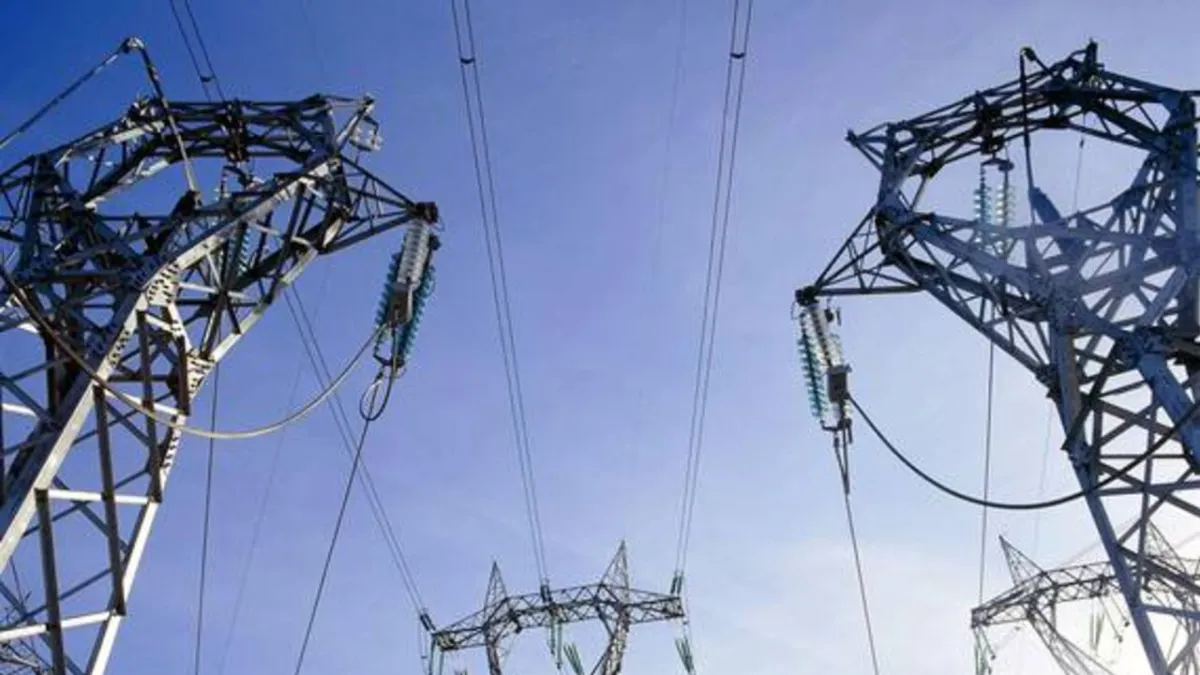
ROME – Italy's electricity consumption surged by 8% in July 2026, registering an unprecedented annual peak. Terna, the national electricity grid operator, announced that this demand spike was triggered by an extreme heatwave sweeping across the peninsula, compelling households and industries to heavily rely on air conditioning. This phenomenon simultaneously highlights the crucial and increasingly dominant role of photovoltaic energy in the power supply.
Terna's data indicates that electricity consumption reached its highest level in the past year. This significant increase occurred as temperatures in various Italian regions soared above seasonal averages, breaking several daily temperature records. The heightened use of cooling appliances served as the primary driver for the surge in energy demand.
Despite the escalating demand, Italy's electricity system managed to cope, largely due to the contribution of renewable energy. The photovoltaic sector, or solar power, recorded impressive production growth, helping to balance the grid load amidst high pressure.
Terna explained that the role of solar energy was vital in maintaining supply stability. With solar panels operating optimally under the intense summer sun, electricity generation from this source successfully filled a substantial portion of the dramatically increased demand gap.
The growth of renewable energy, especially photovoltaics, is not merely a fleeting trend. It reflects Italy's long-term investment in a green energy transition. Government policies supporting solar panel installations and green infrastructure development are beginning to yield tangible results.
This phenomenon also raises questions about sustainability. While renewable energy demonstrates progress, the reliance on air conditioning during extreme summer months indicates the need for more comprehensive climate mitigation strategies.
Energy expert from the University of Bologna, Dr. Elena Rossi, stated, This surge is evidence of two things: first, we must prepare for hotter summers. Second, investment in solar energy is the right step to meet these needs while reducing carbon emissions.
Furthermore, Rossi added that diversifying energy sources and enhancing energy efficiency in buildings are key to a more resilient future. Energy storage technologies also need continuous development to manage supply fluctuations from renewable sources.
The Italian government, coordinated by the Ministry for Ecological Transition, is reportedly formulating a long-term plan to accelerate the construction of renewable energy plants and increase storage capacity. The objective is to achieve energy independence and net-zero carbon emission targets.
Dependence on fossil fuels is gradually diminishing, coinciding with the accelerated adoption of green technologies. The success of photovoltaics in maintaining electricity supply amidst the extreme heatwave is a positive indicator for the direction of Italy's energy policy.
Moving forward, the challenge lies in optimizing the distribution network and ensuring equitable access to clean energy for all citizens. Terna reaffirms its commitment to continuously modernize infrastructure to support a smooth energy transition.
Terna's report also underlines the importance of public education on energy conservation. Small steps at the household level can have a significant collective impact on stabilizing consumption.
This marks a new era for the Italian energy market, where climate pressures serve as a catalyst for innovation and the adoption of sustainable energy solutions. August 2026 is projected to remain warm, suggesting similar challenges may re-emerge.
Editorial Insight: The surge in Italy's electricity consumption in July 2026 underscores the urgency of climate change adaptation and the validity of investments in renewable energy. The continued high reliance on air conditioning during heatwaves indicates that energy transition efforts must go hand-in-hand with improved energy efficiency in the consumption sector. The increasingly vital role of photovoltaics is good news, yet future grid stability will heavily depend on advancements in energy storage technology and distribution infrastructure modernization. Italy is on the right path, but the journey remains extensive.