 Angela Stefani
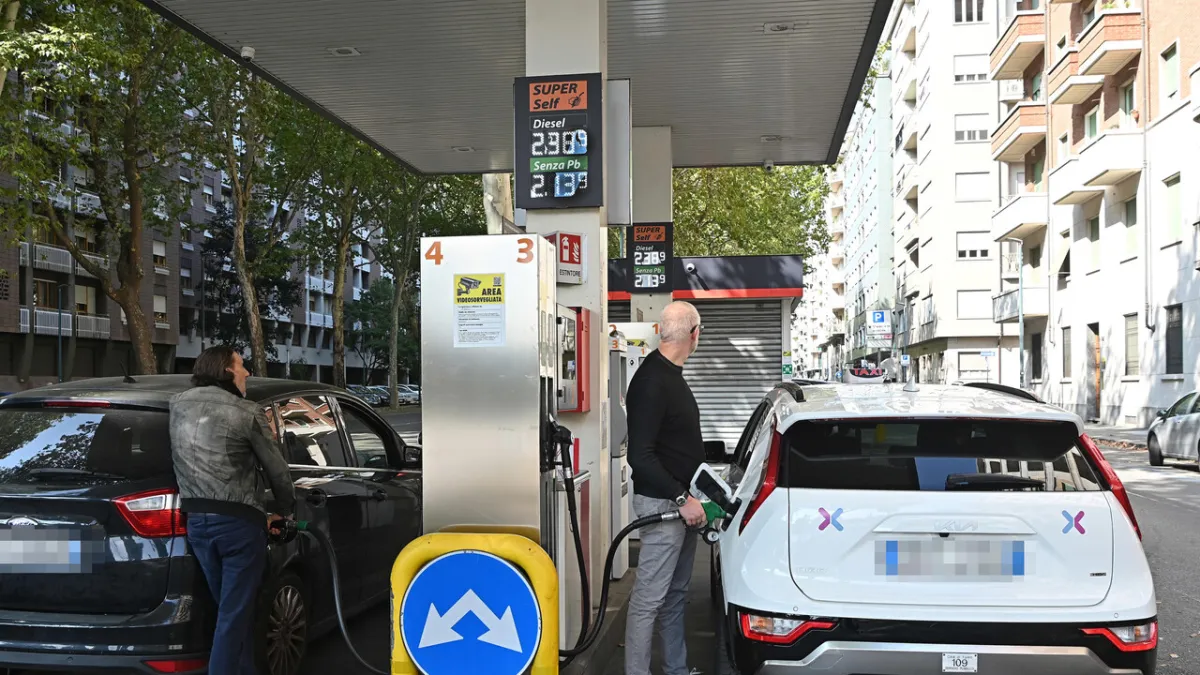
ROME – Fuel prices in Italy once again marked a significant increase in 2026, triggering widespread unrest among the public and businesses. Recent data indicates that diesel prices on regular roads have exceeded 2.377 euros per liter, while on several highway sections, this vital commodity is even approaching the 2.5 euro mark per liter. This surge places substantial economic pressure on millions of motorists and the national logistics sector.
This drastic increase not only burdens household budgets but also threatens the stability of operational costs for various industries heavily dependent on transportation. Gasoline has not escaped a similar trend, with average prices reaching 2.159 euros per liter on main roads. This condition reflects the volatile global energy market, compounded by domestic fiscal policies.
According to Mimit, the energy price monitoring agency, this volatility shows a worrying trend since the beginning of the year. Although there have been government efforts to stabilize prices, fluctuations in international markets, particularly crude oil supply and the euro exchange rate, remain dominant and hard-to-control factors.
Economists predict that the continued impact of these rising fuel prices will be felt in general inflation. Higher transportation costs will directly increase the prices of goods and services, ranging from basic necessities to manufactured products. This has the potential to reduce people's purchasing power and slow down Italy's economic growth.
The logistics and freight transport sectors are the most affected. Haulage companies must contend with increasingly slim profit margins or are forced to raise their tariffs, which are ultimately passed on to end consumers. This situation could trigger a price spiral, where rising fuel costs continue to drive up other goods' prices.
The Italian government faces a serious dilemma. On one hand, there are public demands for more decisive intervention to curb prices. On the other hand, fiscal space is limited, and commitments to energy sustainability targets make policy choices complex. Some parties call for a reduction in fuel taxes, but this step could erode state revenue and potentially violate European Union rules.
This fuel price volatility is not a new phenomenon for Italy. Over the past decade, the country has faced similar situations several times, but this current surge is considered more severe as it occurs amidst post-pandemic economic recovery and ongoing geopolitical uncertainties. The public feels the direct impact of every small increase.
The domino effect also extends to the tourism sector, which is the backbone of Italy's economy. Increasingly expensive domestic and international travel costs could potentially decrease tourist interest, whether they use private vehicles or public transportation. The car rental industry also feels a heavy blow.
Public anxiety is manifested in various social media discussions and local media reports echoing citizens' concerns. Many motorists are now seeking more economical transportation alternatives or reducing the frequency of non-essential trips to save on expenses. Initiatives to switch to electric or hybrid vehicles are becoming more popular, although initial investment remains high.
The outlook remains uncertain. Global energy market analysts indicate that crude oil prices are likely to remain volatile throughout 2026, influenced by global supply-demand dynamics, geopolitical conflicts, and decisions by oil-producing nations. Italian citizens are advised to prepare for a period of continued price uncertainty.
Editorial Insight:
The increase in fuel prices in Italy reflects the global economy's vulnerability to energy shocks. Without a comprehensive long-term strategy, including diversification of energy sources and strong incentives for renewable energy, Italy will continue to face inflationary pressures and potential economic slowdown. The government needs to balance fiscal needs with protecting citizens' purchasing power, while also promoting a sustainable energy transition.