 Angel Doris
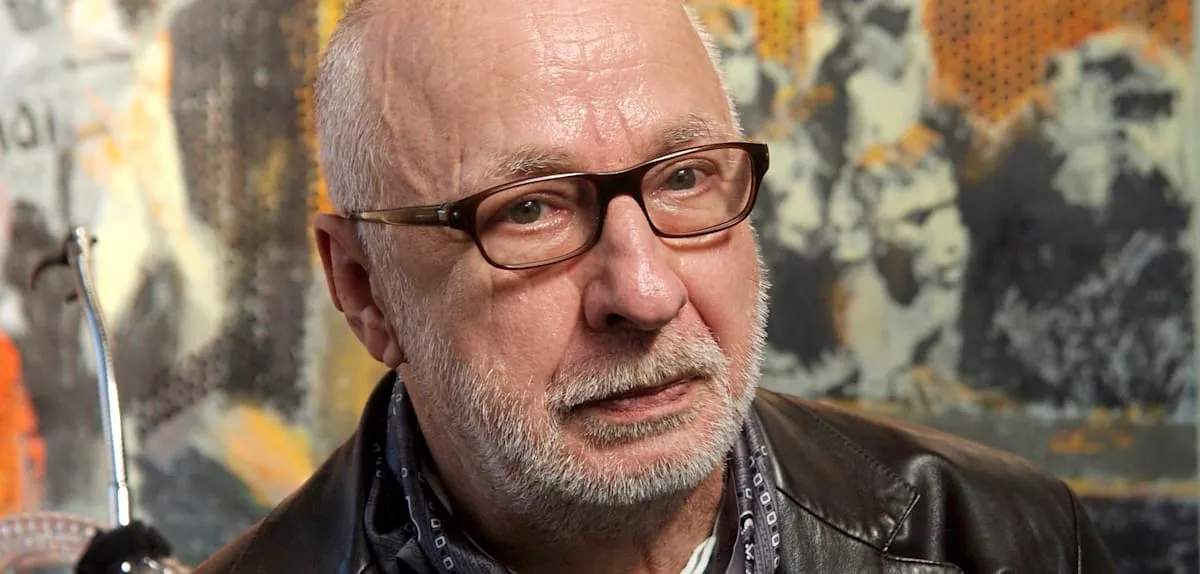
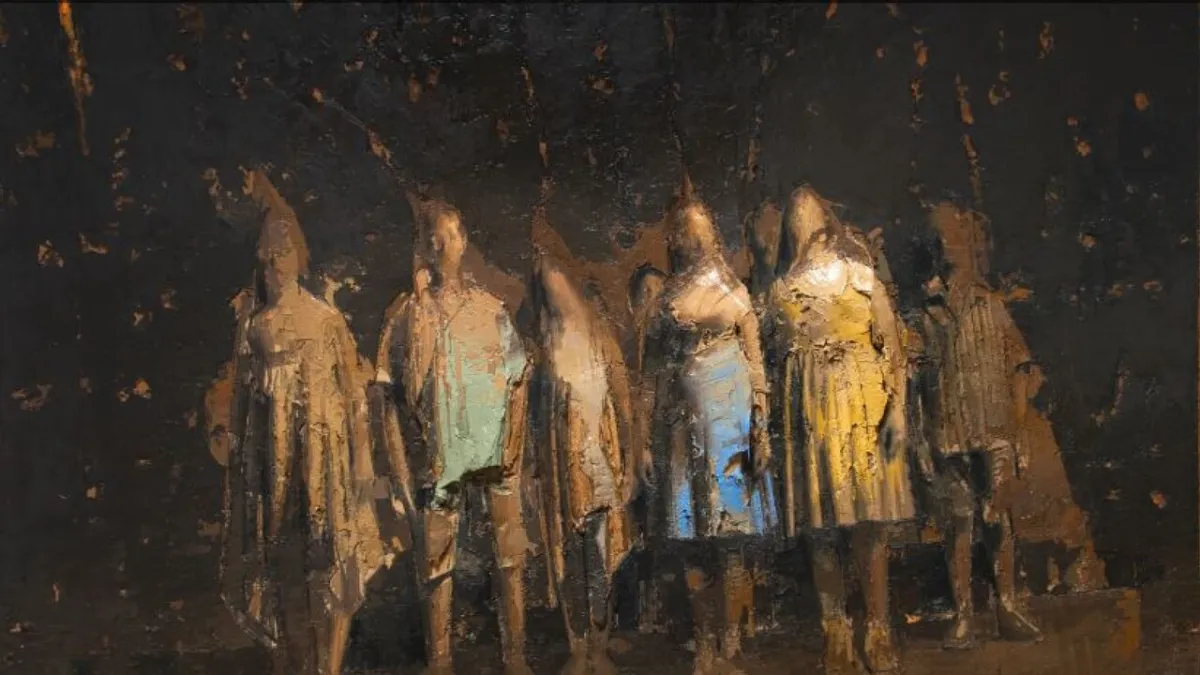
DUSSELDORF – A solo art exhibition currently underway in Dusseldorf is rekindling discussions surrounding Jorg Immendorff, the controversial artist famously known for painting a portrait of Gerhard Schroder with a golden touch. This exhibition strives to re-establish Immendorffs work as a brilliant commentary on the state of Germany, often overshadowed during his lifetime by various scandals and self-staging efforts.
Jorg Immendorff (1945-2007) was one of Germanys most provocative post-war artists. He frequently used his works to voice social and political criticism, an approach that remains highly relevant today. From the outset of his career in the 1960s as a student at the Dusseldorf Art Academy, Immendorff demonstrated a tendency to challenge the boundaries of art and politics.
The curators of the Dusseldorf exhibition aim to comprehensively trace Immendorffs artistic journey. This exhibition is not merely a re-presentation but a deep analysis of how the artist consistently reflected and commented on Germanys political and social landscape through various mediums, from painting to installations.
One of his most iconic works is the portrait of Gerhard Schroder, German Chancellor from 1998 to 2005. Immendorff depicted Schroder with a gilded face, an artistic gesture that sparked numerous interpretations. Many viewed it as a satire of politicians trapped by their public images, while others considered it an ironic appreciation of power.
Scandals were indeed an inseparable part of Immendorffs life narrative. From radical art actions and turbulent personal life to legal controversies, these often diverted public attention from the philosophical depth of his works. However, the exhibition argues that these scandals are integral to Immendorffs artistic persona as a sharp observer of society.
This retrospective features several critical phases in Immendorffs artistic evolution, including his famous Cafe Deutschland series. This series metaphorically depicted the division of East and West Germany, as well as the hopes and anxieties of society during the Cold War and reunification periods. These works serve as tangible proof of his capacity as an astute commentator.
Contemporary art critics have widely praised the exhibition, hailing it as a crucial opportunity to re-evaluate Immendorffs legacy amidst current global social and political challenges. The exhibition reaffirms that art plays a vital role in reflecting and shaping public discourse, a function often overlooked in this fast-paced information era.
The Jorg Immendorff exhibition also indirectly sparks discussions about the role of artists in modern German politics. Some commentators draw parallels between that era and the current political climate in Germany, as the German Economy Minister faces serious allegations. Immendorffs art demonstrates that criticism can be expressed in various ways, often more effectively than mere political rhetoric.
By reintroducing Immendorff as a brilliant commentator on German conditions, the exhibition provides a fresh context for understanding one of the most dynamic periods in German art and political history. It is an opportunity to look beyond the surface of scandals, towards the core thoughts of a daring artist.
Editorial Insight: The Jorg Immendorff exhibition in Dusseldorf does not merely present artworks; it extends an invitation to reflect on the complex relationship between art, politics, and public image. In 2026, when political polarization often dominates, Immendorffs perspective on German conditions through his canvases offers valuable lessons on the power of artistic observation and enduring critique. This exhibition has the potential to spark a new wave of appreciation for an artist whose work transcends time and personal controversies.