 Debby Wijaya
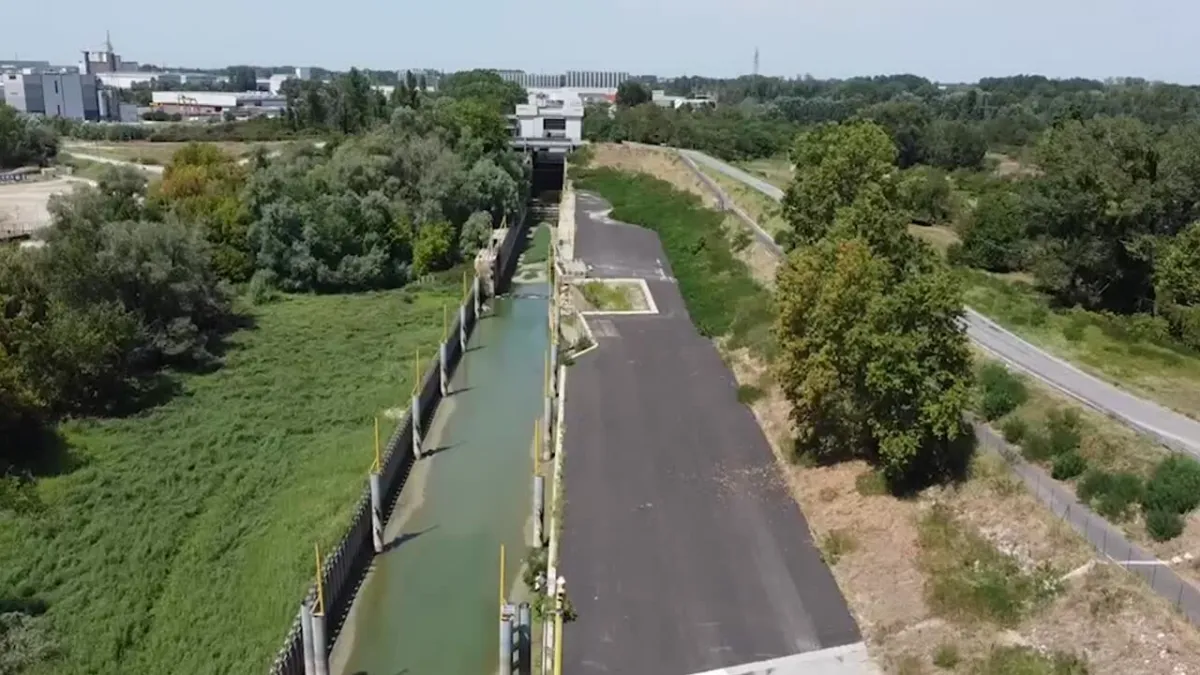
CREMONA – Italy is currently facing a severe environmental crisis. The Po River, one of the nation's vital arteries, is reported to be experiencing a drastic shrinkage, drying up in several spots, particularly around Cremona. This alarming phenomenon is occurring due to a combination of extreme drought and prolonged heatwaves that have swept across southern Europe throughout 2026, raising significant concerns for water supply, agriculture, and ecosystems.
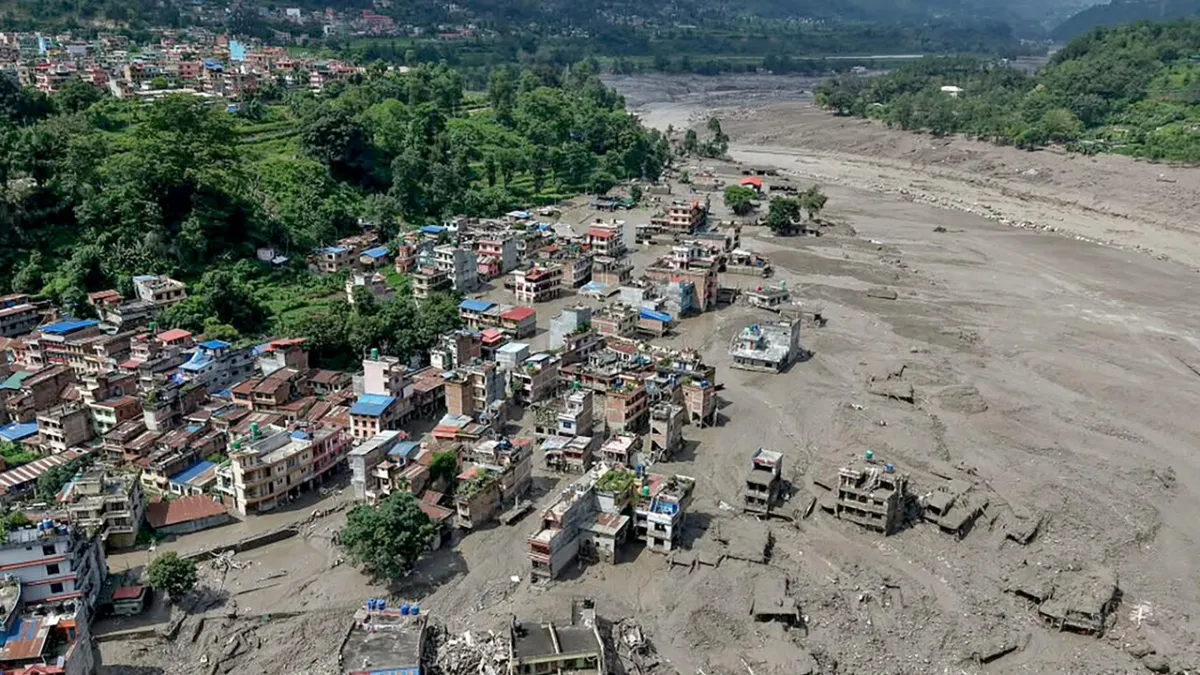
Recent aerial imagery obtained from the Cremona region reveals a river landscape vastly different from its usual appearance. Expanses of sand and mud now dominate areas that were previously submerged, exposing the riverbed that has long been hidden. This condition vividly demonstrates the severe impact of reduced rainfall and sustained extreme temperature increases.
The decline in the water level of the Po River, Italy's longest river, is now at its lowest point in several decades. Hydrological data indicate a record water deficit, far exceeding historical averages. This situation is not merely a seasonal anomaly but a strong indication of increasingly palpable climate change.
The Po Valley region is known as Italy's breadbasket, contributing approximately 30% of national agricultural production. With the river drying up, irrigation for agricultural lands becomes impossible. Farmers across the valley are reporting significant crop losses, ranging from rice, corn, to wheat, threatening food security and the regional economy.
Beyond agriculture, river navigation has also come to a complete halt. Cargo ships that typically traverse the Po River are now stranded or unable to operate. This disrupts supply chains and adds pressure to already congested land transport infrastructure.
Drinking water supply for millions of residents in northern Italy is also at risk. Local governments and water authorities have issued strong warnings, urging the public to conserve water. Some cities have even begun water rationing or restricting its use for non-essential activities.
The aquatic ecosystem of the Po River is also suffering. Thousands of fish and other aquatic organisms are dying due to shrinking habitats and increased water temperatures. Environmental scientists warn that the recovery of this ecosystem will take a very long time, and may not even return to its original state without serious intervention.
Meteorological and climatological experts agree that this situation is a direct consequence of heatwaves and droughts exacerbated by the strongest El Niño phenomenon in the last 75 years. These extreme weather patterns cause global temperatures to rise and disrupt normal hydrological cycles.
The Italian government recently announced emergency measures to address this water crisis, including plans for new infrastructure development for water collection and storage, as well as the modernization of existing irrigation systems. However, critics argue that these measures may be too late and not comprehensive enough.
Civil society and environmental organizations are also calling for more decisive action from the government. They demand greater investment in renewable energy, sustainable agricultural practices, and long-term climate adaptation policies to prevent the recurrence of similar disasters in the future.
The events on the Po River serve as a stark warning to the entire world about the urgency of addressing climate change. If not tackled seriously, water crises and their widespread impacts will become more frequent, threatening human life and the stability of the planet's ecosystems.
Editorial Insight: The Po River crisis in Cremona is not merely a local Italian issue, but a reflection of increasingly urgent global climate challenges. The loss of this vital water source will trigger damaging domino effects, from economic losses to social disruption. Coordinated and proactive responses, both nationally and internationally, are essential to mitigate the potential adverse impacts and build resilience against this uncertain future.