 Gabriella
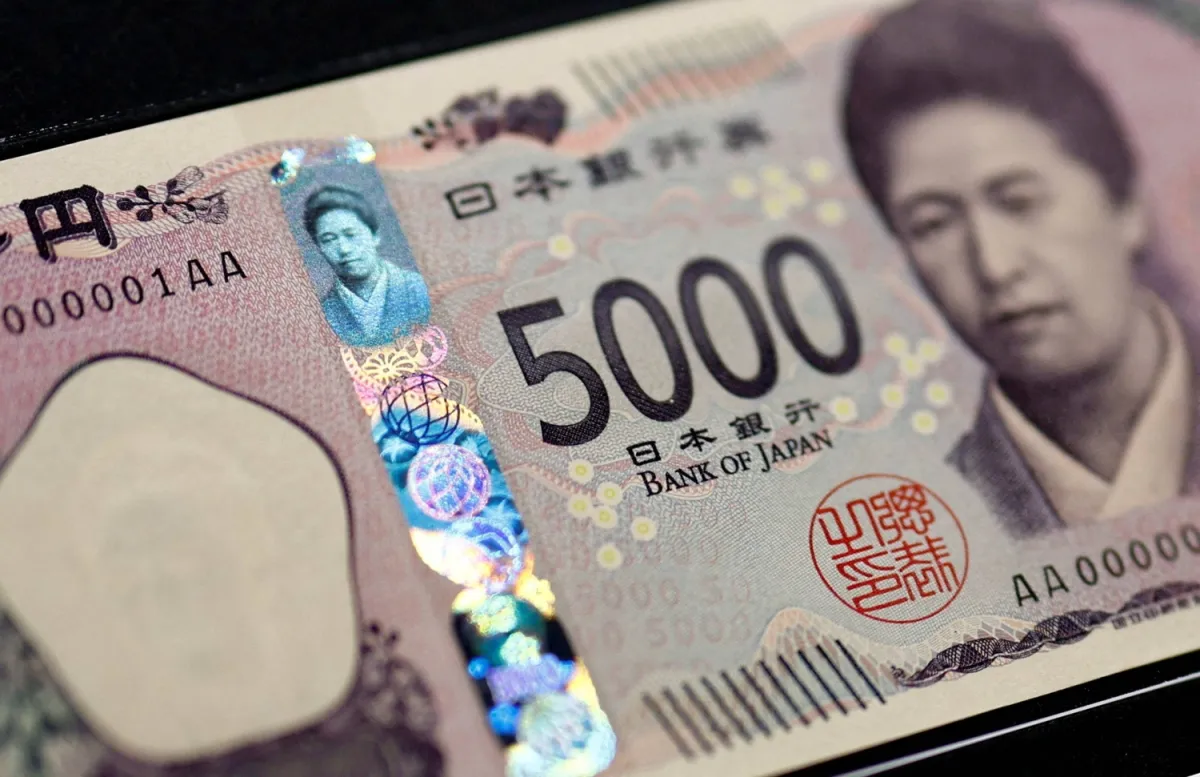
TOKYO – The Japanese government is drafting a significant financial aid scheme, offering a ¥5,000 cash payment to low-income workers. This program aims to provide direct economic stimulus, targeting individuals with annual incomes below ¥1.19 million, in an effort to mitigate inflationary impacts and strengthen purchasing power in 2026. This strategic move reflects Japan's commitment to upholding domestic economic stability.
The aid program, currently undergoing intensive government discussions, is a proactive response to global economic challenges and the rising cost of living felt by the public.
Internal sources at Japan's Ministry of Finance indicate that the scheme will focus on both full-time and part-time workers who meet the income criteria. The goal is to ensure that aid accurately targets the segment of society most in need of financial impetus.
This 'fixed amount' payment of ¥5,000, although seemingly small in nominal terms, is expected to trigger a ripple effect on domestic consumption. With millions of workers potentially receiving aid, the total allocated funds are projected to reach a significant sum.
Japanese economist, Dr. Kenji Tanaka of the University of Tokyo, stated that 'this step is crucial to maintain economic growth momentum post-pandemic, especially as global inflation continues to show volatility. Direct cash assistance has proven effective in boosting household spending.'
As reported, many developed nations are struggling with inflation and income inequality. Similar phenomena are observed in Europe, as detailed in reports on Italy's soaring inflation at 5.4%. Japan's policy could serve as a mitigation model worth observing.
Technical details for aid distribution are still being finalized, but the government is committed to streamlining the process so funds can be quickly received by beneficiaries. This includes using efficient digital payment systems or pre-registered bank accounts.
Beyond boosting purchasing power, the program is also expected to alleviate social pressure caused by rising basic commodity prices. This aligns with government efforts to ensure equal opportunities, considering complaints regarding stagnant equal opportunities often arising in various developed countries.
Discussions in the Japanese Parliament regarding the budget for this program are expected to be a key agenda item in the upcoming legislative session. Political consensus is anticipated, given the urgency and projected positive impact on social and economic stability.
This aid program can also be viewed as part of Japan's macroeconomic strategy to optimize domestic demand and reduce reliance on exports amidst global trade uncertainties in 2026.
Editorial Insight: The ¥5,000 direct cash aid for low-income workers in Japan represents a clever short-term tactical move. While it does not resolve structural issues of low wages or root-cause inflation, it provides vital moral and economic injection. Long-term success will depend on whether the government can follow through with broader wage reforms and fiscal policies to create inclusive and sustainable growth, rather than merely a temporary patch.