 Robert Andrison
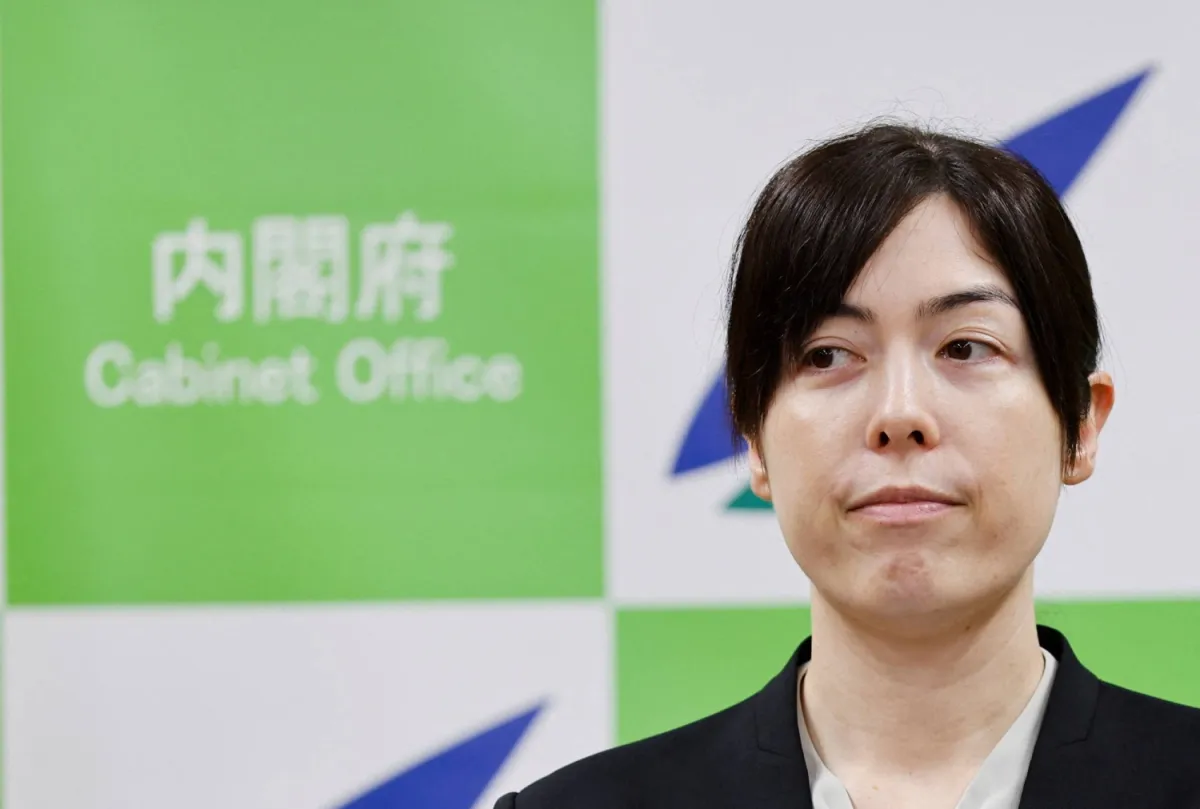
TOKYO – Japan appears reluctant to increase its foreign worker quota in 2026, despite facing a deepening labor crisis. This statement came from Kimi Onoda, the minister in charge of policies related to foreign nationals, indicating that the Japanese government has no immediate plans to ease strict immigration rules amidst urgent demands from various industrial sectors.
Onoda explicitly stated that the demand for special visa categories for foreign workers is actually expected to decline in the future. This perspective surprises many, especially business owners who continue to voice concerns about the human resource deficit, which could potentially hinder Japan's economic growth.
Labor shortages have been a crucial issue in Japan for several years, exacerbated by low birth rates and an aging population. Sectors such as construction, healthcare, and agriculture heavily rely on the contribution of workers from abroad to fill vacancies. The government's unresponsive policy to these demographic challenges could worsen labor market conditions.
Minister Onoda did not elaborate on the reasons behind her prediction regarding the decrease in demand for special visas. However, analysts speculate that the government might be considering other strategies, such as automation or the deployment of underutilized domestic labor, as long-term solutions.
This approach could draw strong criticism from industry and economic groups advocating for more open immigration policies. They argue that restricting access for foreign workers will further slow the pace of innovation and national productivity.
Historically, Japan has been known for its conservative immigration policies, prioritizing cultural and societal homogeneity. Debates about the role of foreign workers often become sensitive topics in domestic political discourse.
Nevertheless, global economic and demographic pressures are pushing many developed countries to reconsider their immigration policies. Japan, as one of the world's oldest populations, is not immune to these demands.
The decision not to raise the foreign worker cap in 2026 reflects the Japanese government's priorities in addressing employment issues. Whether this strategy will effectively overcome the crisis or exacerbate the situation remains a major question.
This move also aligns with the Japanese government's pattern of often being cautious in implementing major policies that could alter the country's social and demographic structure. They seemingly prefer gradual and controlled solutions.
The future of Japan's labor market heavily depends on how the government balances economic needs with social concerns. Without an influx of new workers, pressure on the pension system and social services will continue to increase.
Editorial Insight: Japan's decision to refrain from increasing its foreign worker quota amidst a labor deficit is a bold move that underscores the government's long-term priorities. Instead of relying on quick immigration fixes, Tokyo may be reassessing its economic and social model, promoting automation, or seeking ways to mobilize underutilized domestic labor. However, the risks of economic slowdown and increased demographic burden persist, requiring the government to carefully measure the impact of this policy on Japan's future global competitiveness.