 Chris Robert
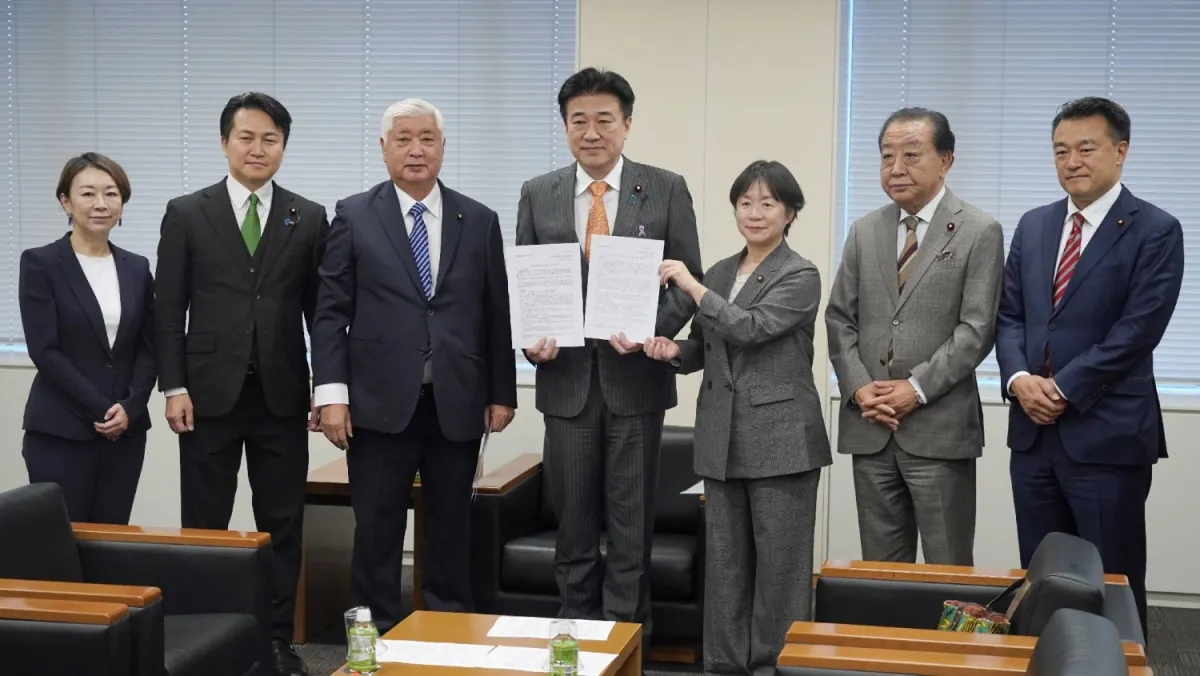
TOKYO – The Japanese government is currently weighing a high-level meeting between one of its senior officials, Sanae Takaichi, and the President of the International Criminal Court (ICC), Tomoko Akane. This consideration arises after the administration of US President Donald Trump imposed sanctions on the ICC and several of its officials, including Judge Akane herself, sparking global diplomatic tensions.
Japan's move to engage in dialogue with the ICC underscores Tokyo's efforts to uphold the stability of international law amidst political turmoil. The sanctions, imposed by Washington over allegations related to the ICC's investigation into US military personnel in Afghanistan and other issues, have drawn strong protests from European allies and the international community.
These sanctions, which include visa restrictions and asset freezes, aim to obstruct the ICC's investigation into alleged war crimes. This policy is part of the Trump administration's unilateral approach to multilateral institutions perceived as threatening US sovereignty.
Sanae Takaichi, a prominent politician in Japan, is expected to lead the delegation in this meeting. Takaichi's presence indicates Tokyo's seriousness in navigating this complex situation, where one of its closest allies, the United States, is in direct confrontation with an international judicial body.
Through this meeting, Japan potentially positions itself as a diplomatic bridge, seeking solutions that could ease tensions between Washington and the ICC. This aligns with Japan's consistent support for the rule of international law and multilateral cooperation.
The international community has largely condemned the sanctions, viewing them as an attempt to undermine the independence of global justice. Many nations argue that such actions erode the international legal system designed to ensure accountability for the most serious crimes.
President Trump's administration has consistently stated its rejection of the ICC's jurisdiction over US citizens, insisting that America possesses its own adequate judicial system. This argument serves as the basis for a series of restrictive measures against the court, consistent with Washington's unilateral foreign policy approach.
The anticipated discussions between Takaichi and Tomoko Akane may touch upon various aspects, including the implications of the sanctions, the future work of the ICC, and ways to maintain the integrity of global legal institutions. A primary focus will certainly be on preserving the ICC's function without provoking further escalation.
This potential visit could also send a strong signal to other US allies in Europe and Asia regarding the importance of upholding the foundations of international law. This is crucial in 2026, as geopolitical dynamics continue to shift rapidly.
The final decision regarding this meeting is still pending, but the signal from Tokyo is clear: Japan is committed to the principles of international justice despite pressure from major powers.
Editorial Insight: Japan's consideration of a meeting with the ICC amidst US sanctions from the Donald Trump administration is a shrewd diplomatic maneuver. It demonstrates Tokyo's attempt to balance its relationship with Washington while affirming its commitment to the international legal order. A potential meeting could open stalled lines of communication and might serve as indirect pressure for the US to reconsider its controversial sanction policy. The world will be watching Japan's role in mediating this tension.