 Angela Stefani
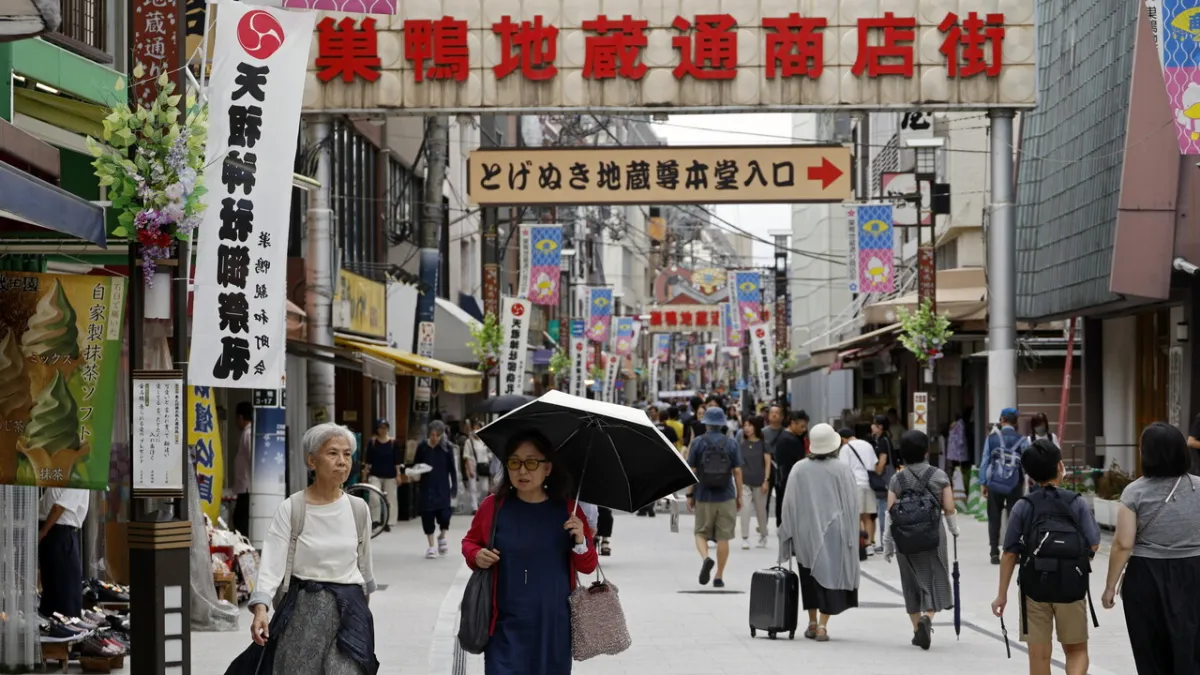
TOKYO – Japan has once again affirmed its dominance as the nation with the largest centenarian population globally. Latest data released by Japan's Ministry of Health, Labour, and Welfare in 2026 reveals that the number of residents who have reached or surpassed one hundred years of age now exceeds 100,000, a historically growing record. This marks a significant increase from previous years, signifying an extraordinary achievement in life expectancy.
The phenomenon of this surge in centenarian numbers is not coincidental. Demographers and public health experts have identified several interconnected key factors, forming what is often referred to as the Japanese longevity recipe. These factors include healthy dietary habits, an active lifestyle, and a robust social support system.
The traditional Japanese diet, rich in fish, vegetables, and fermented products, low in saturated fats and sugars, is believed to be a primary pillar of public health. Professor Kenji Tanaka, a nutritionist from the University of Tokyo, explained that a balanced diet emphasizing the consumption of natural, minimally processed foods is the foundation for long-term health for many Japanese citizens.
Beyond dietary intake, an active lifestyle is also an inseparable part of daily life. Many senior Japanese citizens remain engaged in light to moderate physical activities, such as walking, gardening, and traditional martial arts like Tai Chi, even into advanced age. Strong social interaction within communities also plays a vital role.
The growth of this centenarian population, while indicating health success, also brings complex implications for Japan's social and economic structure. The healthcare and social security systems face new challenges in accommodating the needs of an increasingly aging population. This sparks deep discussions about the sustainability of public services.
The Japanese government has taken proactive steps to address these demographic challenges. Various programs have been launched to promote healthy aging, including support for elderly physical activities, easy access to preventive healthcare services, and incentives for companies to employ or retain senior workers.
The province of Okinawa, in particular, is often cited as one of the world's Blue Zones, regions with an exceptionally high concentration of long-lived residents. Okinawans are known for their vegetable-rich and root-heavy diet, as well as a strong community culture and minimal stress.
The figure of 100,000 centenarians is more than just a statistic; it represents the collective success of the Japanese nation in nurturing health and quality of life. It also indicates advancements in medical science and geriatric care that enable individuals to live longer with relatively good quality.
Through this report, Japan not only showcases a record but also provides a valuable case study for other nations facing the challenges of an aging population. Other countries can learn valuable lessons about the importance of a holistic approach to health, encompassing nutritional, physical, mental, and social aspects.
Editorial Insight: The phenomenon of increasing centenarians in Japan is a double-edged sword. On one hand, it is a testament to successes in public health and lifestyle. On the other hand, Japan must continue to innovate in social, economic, and health policies to ensure a sustainable quality of life for its elderly while also maintaining the well-being of younger generations. Lessons from Japan are highly relevant to many developed nations facing similar demographic shifts.