 Dodi Irawan
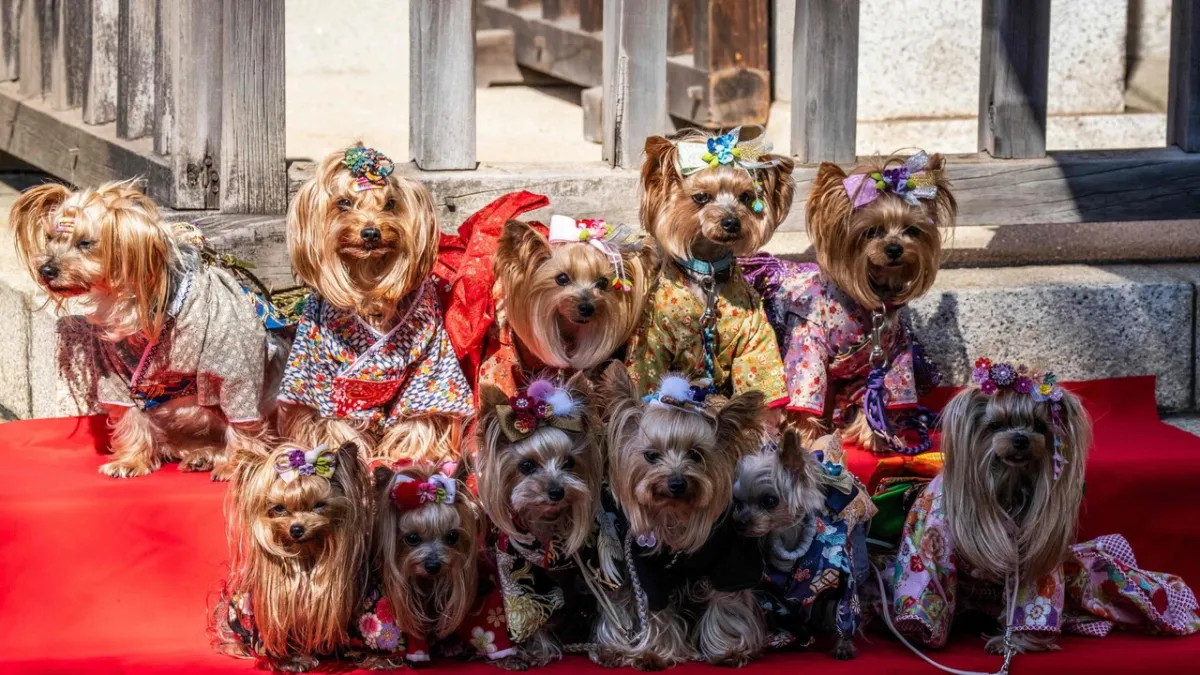
TOKYO – Japan's capital, Tokyo, in 2026 witnesses a cultural phenomenon that is both captivating and concerning. In a traditional festival usually dedicated to the growth of children, dozens of pets—primarily cats and dogs—have become the center of attention, adorned in kimonos, to receive blessings. This unique celebration reflects the bitter reality of the population crisis continuously overshadowing the Land of the Rising Sun, prompting many families to fill the void of children with affection for their beloved animals.
The ritual took place at a historic temple in Tokyo, where owners proudly paraded their adorned dogs and cats. These animals, some dressed in colorful mini kimonos, others accessorized with traditional Japanese items, received prayers and blessings from religious leaders, as if they were children celebrating their development. This sight, while adorable, carries a profound message about Japan's demographic shift.
The Land of the Rising Sun has grappled with plummeting birth rates for several decades. The latest statistical data for 2026 indicate that birth rates continue to decline to an all-time low, exacerbating the conditions of an aging society. This situation raises serious concerns about economic sustainability, the pension system, and even Japan's cultural identity itself.
For many young couples and even single individuals in Japan, having children has become an increasingly difficult choice amidst economic pressures, high living costs, and intense career demands. Consequently, pets, especially cats and dogs, have elevated their status from mere companions to deeply loved and prioritized core family members.
This shift is not only evident in this unique festival but also in various aspects of daily life. The pet product and service industry in Japan is booming, covering advanced healthcare, gourmet food, and designer clothing. The emotional and financial investment given to pets now equals, and sometimes even surpasses, what is typically given to children.
A sociologist from Waseda University, Professor Kenji Tanaka, who has studied Japanese family dynamics, stated, This phenomenon is not merely a cute trend. It is a social response to the void created by the population crisis. Pets now fulfill emotional and psychological needs once met by children. His statement highlights how deeply the impact of this demographic problem permeates the fabric of society.
The involvement of pets in a children's festival also signifies an interesting cultural adaptation. While the essence of the festival remains traditional, the inclusion of pets shows the flexibility of Japanese society in reinterpreting the meaning of family and generational continuity. This does not mean that society forgets the importance of human children, but rather seeks other ways to celebrate life and togetherness.
Some argue that this is a sign that the government needs to act more aggressively in addressing the birth rate issue. Various policies have been implemented, ranging from financial incentives to childcare support, but their impact has yet to be significant. Amidst this debate, other recent incidents plaguing the nation, such as the Devastating 5.7 Earthquake Shakes Japan, Dozens Injured, Nuclear Threat Contained 2026, illustrate the multifaceted challenges the country faces.
Despite its focus on pets, this event in Tokyo indirectly draws global attention to Japan's demographic crisis. It serves as a reflection that complex social phenomena often manifest in the most unexpected and captivating forms.
Events like this also serve as a reminder of the importance of life and well-being, not only for humans but also for other creatures sharing this earth. Moreover, when a country faces various threats, from natural disasters to population issues, similar to Japan's efforts to Intensify Tomari Nuclear Disaster Drills: Thousands Evacuated.
Editorial Insight: This phenomenon in Tokyo transcends a mere unique event; it is a very clear cultural barometer. The celebration of pets as substitutes for children in a traditional festival illustrates the social and emotional pressures felt by individuals and families amidst Japan's demographic crisis. This is not a solution, but a symptom of a larger problem. The Japanese government must view this as a strong signal that existing pro-natal policies need drastic re-evaluation and strengthening to prevent potential long-term social and economic collapse.