 Edward DP Situmorang
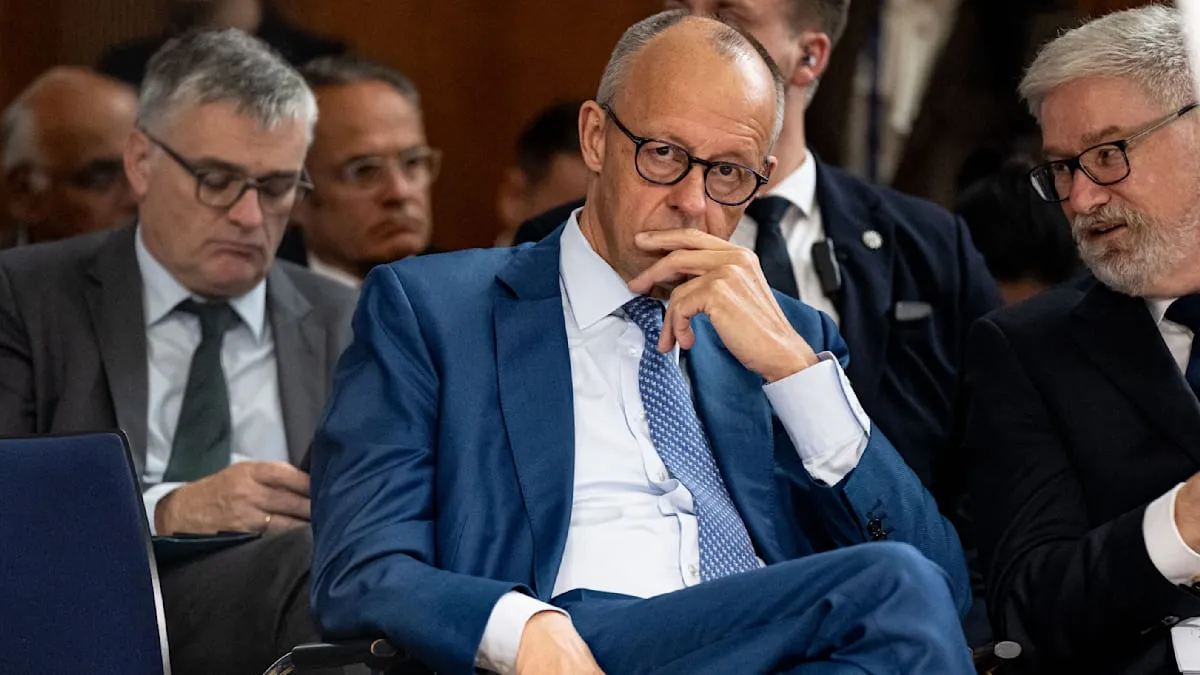
BERLIN – Germany is projected to generate an additional five billion euros in tax revenue, propelled by improving economic growth prospects. However, this surge in state income does not automatically translate into new fiscal headroom. Budget proposals championed by senior politician Herr Merz, for instance, are anticipated to encounter significant funding difficulties, even within this more optimistic fiscal scenario.
According to prominent economic editor, Karsten Seibel, this paradox arises because the German state is simultaneously mandated to curb new borrowing. These stringent fiscal policy restrictions effectively negate any additional financial flexibility that would otherwise emerge from the increase in tax revenue. Consequently, efforts to fund new initiatives or expand existing programs become increasingly intricate.
Seibel's statement underscores the economic paradox confronting Germany. On one hand, economic indicators signal vitality and potential for increased state coffers. On the other, strict regulatory frameworks governing debt management limit the government's flexibility in allocating these funds. This creates a dilemma for policymakers, particularly when drafting ambitious budgets.
The budget proposals in question are frequently associated with the vision of Herr Merz, a figure actively involved in German economic and fiscal policy discussions. While specific details of his proposals are not disclosed in the source, their essence highlights the need for substantial funding, the feasibility of which is now being questioned by economic experts such as Seibel.
This situation places considerable pressure on Germany's ruling coalition government in 2026. They must navigate public expectations for improved services and investment while simultaneously contending with rigid fiscal constraints. The growth in tax revenue is indeed positive news, but debt limits act as a powerful 'brake'.
In-depth analysis of economic trends indicates that despite growth optimism, structural challenges in long-term funding persist. The increase in tax revenue, although substantial, may only be sufficient to cover routine necessities or partially settle existing obligations, leaving little room for transformative projects.
Discussions surrounding the national budget in Germany are always sensitive and often ignite fierce parliamentary debates. Political factions will strive to uphold their respective priorities, while the Ministry of Finance must strike a balance between revenue, expenditure, and adherence to debt rules.
Budgetary decisions will have far-reaching implications, from allocating funds for infrastructure, education, to social programs. The absence of additional fiscal space, as emphasized by Seibel, means that every euro allocated must be meticulously accounted for, and difficult compromises may need to be reached.
The German public awaits clarity on how the government intends to address this dilemma. Will there be adjustments in spending priorities? Or might there be a renewed discussion concerning the applicable debt limits? These questions are crucial in determining the future direction of the country's economic policy.
This scenario also reflects a broader challenge for developed nations striving to maintain fiscal stability. Achieving a balance between economic growth, responsible debt management, and financing public needs is a complex undertaking. Germany, with its economic strength, is not exempt from this complexity.
The government and economic stakeholders are expected to formulate adaptive and realistic strategies promptly. Transparency in communicating fiscal challenges will be paramount to maintaining public trust and ensuring support for the policy measures to be adopted.
Editorial Insight: Germany's fiscal situation reveals that economic growth alone is insufficient to resolve all budgetary issues, especially when policy frameworks restrict maneuverability. A significant increase in tax revenue is offset by debt limitations, demanding innovation in public finance management or a reassessment of spending priorities. This dilemma highlights the necessity of a careful policy balance between fostering growth and maintaining fiscal discipline, a universal challenge for many nations amidst global economic uncertainties.