 Edward DP Situmorang
BERLIN – The German government has enacted a significant measure for the financial future of its younger generation by approving the Fruhstartrente, or Early Start Pension program. Through a decision by the Bundesrat, children born from the year 2020 onwards will receive a monthly allowance of 10 Euros from the state, serving as initial capital for their private old-age provision. This revolutionary policy will take effect retroactively from January 1, 2026, with payments commencing when the child reaches six years of age.
This initiative aims to instill early financial awareness while ensuring every citizen possesses a strong economic foundation upon reaching retirement. The Fruhstartrente concept underscores Germany's commitment to addressing demographic challenges and the sustainability of its social security system in the future.
Every child meeting the criteria, specifically those born in 2020 or later, is automatically enrolled in this scheme. The 10 Euros per month will begin to be disbursed by the government when the child turns six, accumulated in a special account designated for private pension purposes. This step seeks to alleviate the financial burden on parents in preparing for their children's old-age security.
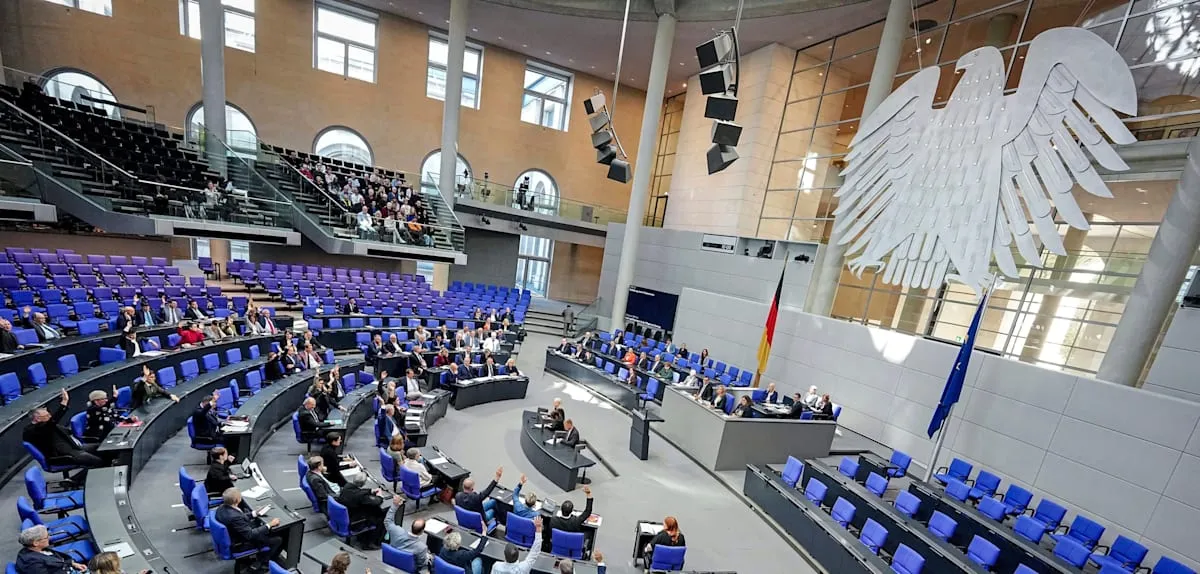
The Bundesrat, Germany's representative body of the federal states, gave its final approval to this draft law, marking a new chapter in the country's socio-economic policy. This decision indicates a strong political consensus to invest in the next generation. Similar policies could spark discussions in other European countries, given related trends, such as the surge in Health Economy Surging in 2026.
Economists have largely welcomed this policy, noting that although the nominal amount may seem small, the accumulated funds over decades will have a substantial impact. It represents a long-term investment that not only benefits individuals but also strengthens national economic stability as a whole.
The German government hopes the Fruhstartrente scheme will foster a culture of saving and early investment among the populace. Integrated financial education is also expected to accompany the implementation of this program, ensuring children understand the importance of financial management for their future.
This program indirectly encourages the growth of long-term investment-oriented financial markets, particularly in the pension fund sector. With millions of children set to become beneficiaries, the new influx of funds is expected to provide a positive boost to the domestic investment ecosystem.
The retroactive application of the Fruhstartrente policy from January 1, 2026, means that children who are already over six years old when effective payments begin, but meet the birth year requirement, will still receive the accumulated funds that have been disbursed since they reached six years of age or since the program became effective.
This is a progressive step that positions Germany as a frontrunner in designing an inclusive and future-oriented welfare system, amidst dynamic and often unpredictable global economic challenges.
Editorial Insight: Germany's Fruhstartrente policy is more than just an allowance; it is a statement of the government's long-term vision. It signifies a paradigm shift from a reactive to a proactive approach in addressing pension and welfare issues. Its positive impacts will materialize in decades to come, not only from individual financial perspectives but also in building a more financially aware society with greater economic resilience. This model has the potential to become a benchmark for other countries facing similar challenges in their social security and demographic systems.