 Chris Robert
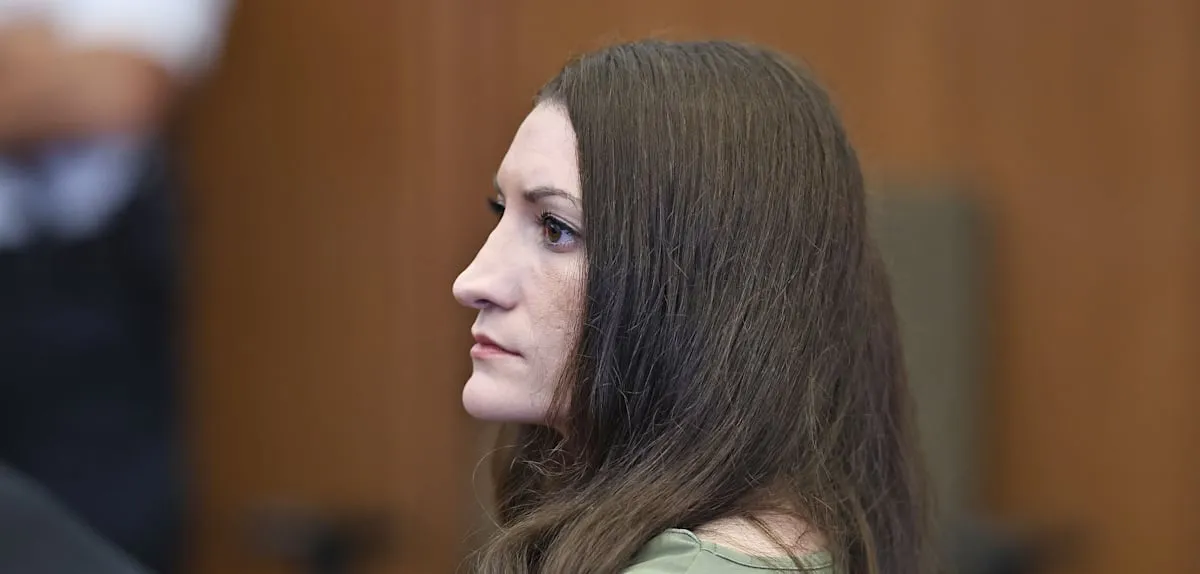
BOSTON – The highly anticipated legal proceedings against Lindsay Clancy, a Massachusetts mother accused of murdering her three children, concluded without a verdict in 2026 after the jury failed to reach a unanimous agreement. This outcome marks a significant deadlock in the pursuit of justice for the victims and their families.
The impasse arose due to a single dissenting juror who diverged from the other eleven members. Reports indicate that the majority of the jury—eleven individuals—were inclined to declare Clancy not criminally responsible due to her mental condition. However, one juror remained firm in a different view, resulting in the trial being declared a mistrial.
This case has garnered widespread public attention due to its tragic nature and involvement of minors. Lindsay Clancy faces grave accusations of murdering her three young children: Cora (5), Dawson (3), and Callan (7 months), an incident that shook the local community and caused profound grief.
The horrific incident reportedly occurred at the family home in Duxbury, Massachusetts, where the children were found unresponsive before their eventual deaths. Prosecutors argued that Clancy acted with malice aforethought, while the defense team contended that their client suffered from severe postpartum depression and psychosis, which stripped her of the capacity to understand the reality of her actions.
The jury's failure to reach a verdict means the trial ended in a declared mistrial, a process that yields neither a guilty nor a not guilty verdict. This situation leaves many questions and uncertainties regarding the next legal steps to be taken by the authorities.
Prosecutors are now faced with a difficult choice: whether to refile charges and initiate a new trial, or seek another resolution that might involve a plea bargain. This decision will heavily depend on a re-evaluation of the evidence and the prospects of success in a future trial, given the challenges posed by the intense debate surrounding the defendant's mental state.
Similar cases in the past often indicate that a retrial is a real possibility, but it also consumes considerable time and resources. This also prolongs the suffering of the victims' families, who must once again confront the harrowing details of the tragedy that befell them.
The debate surrounding criminal responsibility in cases involving mental illness has long been a complex issue within the justice system. Clancy's case serves as a stark example of how the thin line between intentional crime and actions triggered by mental disorders can complicate decision-making in the courtroom.
Clancy's defense attorneys are expected to continue emphasizing their client's mental state as a primary factor. Meanwhile, prosecutors will strive to prove that regardless of any condition, Clancy still possessed the capacity to distinguish right from wrong and committed the acts with full awareness.
This situation undeniably presents a significant challenge for the United States justice system in balancing public protection with an understanding of the complexities of human psychological conditions. The outcome of this case will continue to be a focus of public and legal scrutiny.
Editorial Insight: The deadlock in Lindsay Clancy's trial highlights the often difficult chasm between law enforcement and mental health issues. The jury's split decision indicates that the postpartum psychosis defense carried significant weight, though it wasn't enough to convince the entire panel. This case will likely return to court, prolonging the trauma for all parties, and simultaneously setting an important precedent for handling criminal cases involving mental health aspects in the future. Public pressure for justice will remain high, but the legal challenges will not diminish.