 Angel Doris
BERLIN – The resounding defeat of the Christian Democratic Union (CDU) in the state election of Saxony-Anhalt has ignited a significant wave of political tension within the capital, Berlin. The atmosphere among political elites is visibly escalating, with sharp focus directed at CDU Chairman Friedrich Merz, who now faces immense pressure from all sides. This situation underscores the formidable challenges confronting the CDU as Germany anticipates further political contests in 2026.
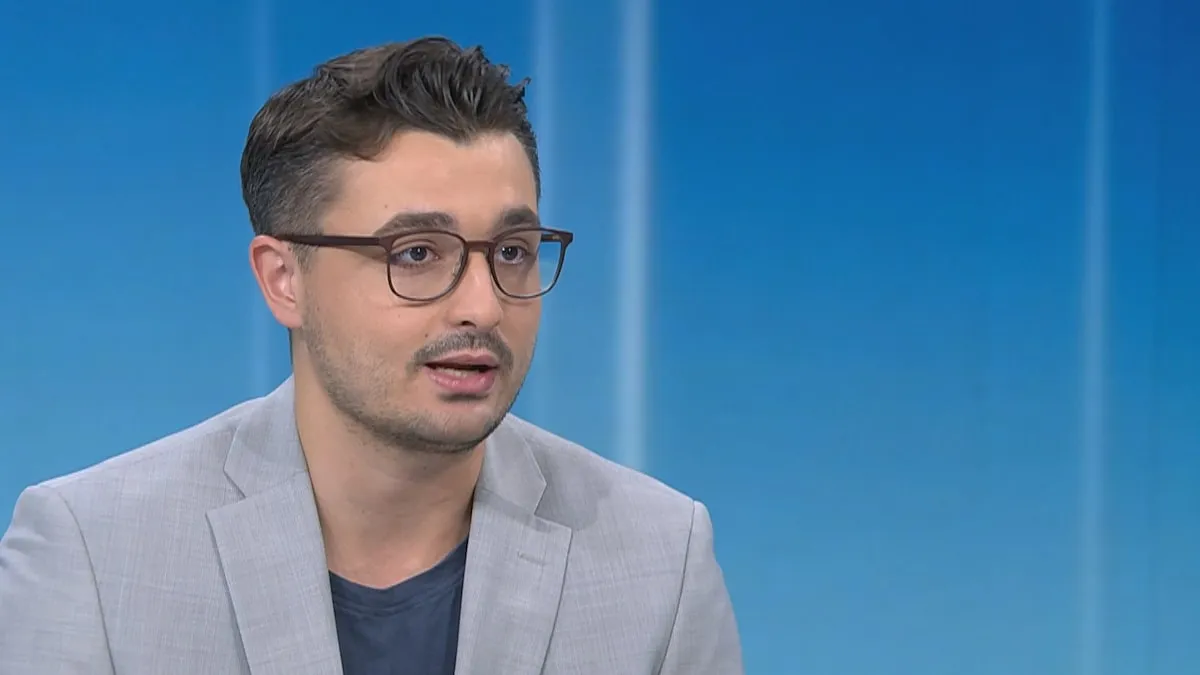
Maximilian Heimerzheim, a prominent political editor from WELT, offered his perspective on the unfolding situation. Merz is truly receiving maximum pressure from all sides right now, Heimerzheim stated, illustrating the intensity of the leadership crisis engulfing the conservative party. This commentary reflects widespread concern regarding Merz's ability to reunite the party and formulate an effective strategy following the embarrassing defeat.
The Saxony-Anhalt election results, which surprised many observers, have raised serious doubts about Merz's leadership and the direction of CDU policy. Internal critics are beginning to question whether Merz's political approach resonates with voters, particularly in regions of eastern Germany that often exhibit complex political preferences. This defeat is not merely a local outcome but a significant warning signal for the national political landscape.
Various factions within the CDU, which previously demonstrated solid support, are now openly vocalizing their apprehension. Internal party discussions are intensifying, seeking answers to the reasons behind the decline in votes and concrete steps to restore public trust. Some implicitly suggest that Merz may not be able to do better in navigating the current political dynamics, a sentiment widely covered by the media.
The pressure on Merz extends beyond internal party dynamics. The opposition, particularly from right-wing parties such as the Alternative for Germany (AfD), whose popularity is reportedly surging [see related news], is leveraging this moment to attack the CDU's credibility and reinforce their own narrative. Governing coalition parties are also closely monitoring the CDU's internal turmoil, assessing its potential impact on federal government stability.
The threat of internal division within the CDU is becoming increasingly palpable. Several regional leaders and members of parliament are urging deep introspection and fundamental strategic changes. They worry that without a swift and effective response, the party will struggle to recover its position, let alone secure significant victories in upcoming federal elections. [Read more about calls for reform within the CDU].
The implications of the Saxony-Anhalt defeat are not limited to the CDU's internal affairs. The results have shaken Berlin and sparked stronger calls for social reforms, reflecting public dissatisfaction with the status quo. This defeat also reinforces the narrative that Germany's political foundations are faltering amid increasing polarization and fragmentation of support for traditional parties. [Further analysis on the impact on Germany's political foundations].
The emergence of various alternative political scenarios, including previously taboo potential collaborations, is a hot topic of discussion. Furthermore, post-election analysis indicates that the firewall between the CDU and AfD is beginning to show cracks, a worrying development for many who uphold liberal democratic values.
In a broader context, the pressure on Merz also stems from speculation about the future of the federal government coalition. Poor CDU performance could weaken the party's position in policy negotiations and open avenues for political maneuvers from other parties seeking to capitalize on the turmoil. The political stakes for Merz and the CDU are now significantly higher, demanding robust and visionary leadership.
Editorial Insight: The defeat in Saxony-Anhalt is not merely a local election result; it is a crucial barometer for Germany's political landscape in 2026. The pressure on Friedrich Merz reflects a deeper identity and strategy crisis within the CDU. The party must quickly rediscover its footing and a clear direction, or risk losing political relevance amidst a wave of populism and shifting voter preferences. Merz's inability to manage this pressure could trigger significant leadership changes and a restructuring of political alliances in Germany.