 Debby Wijaya
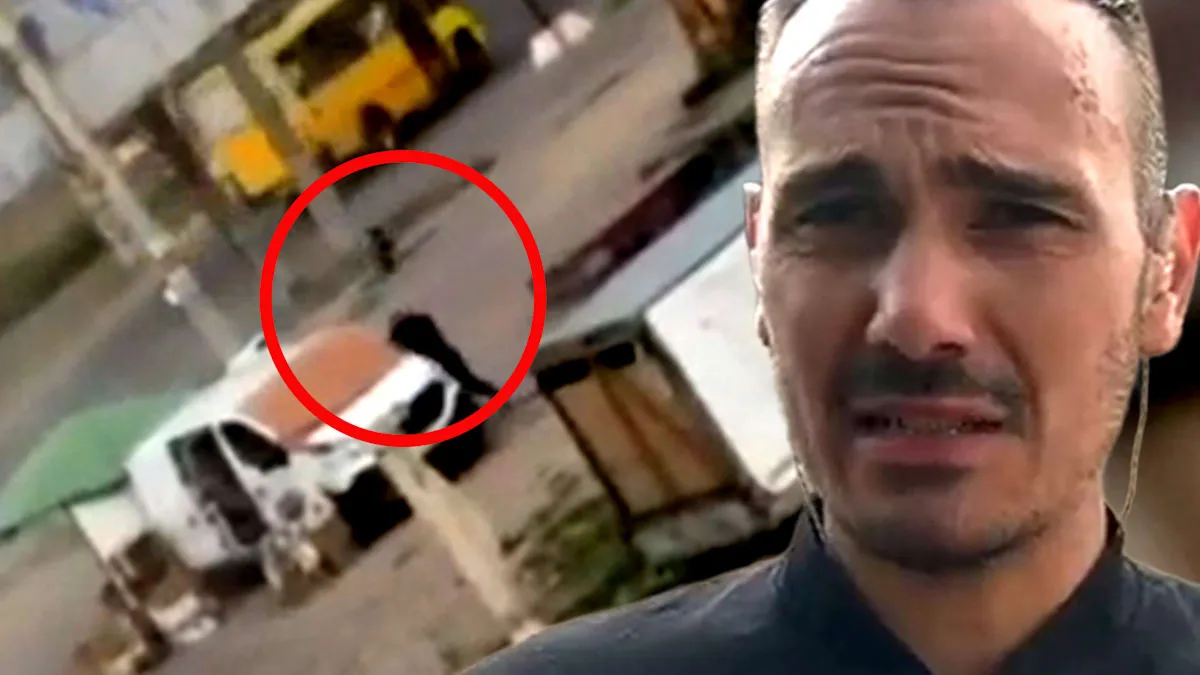
Kherson — The city of Kherson in Ukraine remains a theater of endless suffering. Drone attacks targeting civilians have been revealed as a systematic pattern, raising alarm from United Nations (UN) investigators who confirm a scheme of attacks against non-combatants. The latest incident involved a drone chasing a vegetable vendor, highlighting the terrifying reality that has become an inseparable part of daily life in the region for the past two years.
UN investigators assert that these findings are not isolated incidents. They have found strong evidence of a consistent attack pattern, deliberately targeting civilian infrastructure and individuals not directly involved in combat. The normal lives of Kherson residents, from shopping at markets to other daily activities, are now under constant threat.
A widely circulated video on social media depicts this harrowing situation. The footage shows a drone aggressively pursuing a vegetable vendor on the streets of Kherson, forcing the individual to seek cover. This event not only underscores the immediate danger faced by residents but also implies a broader strategy aimed at instilling fear and fundamentally disrupting civilian life.
According to Ibrahim Naber, a prominent conflict analyst, the strategy behind civilian targeting is to suppress morale, create chaos, and indirectly weaken support for defense efforts. "These kinds of attacks are designed to create despair among the population, making them feel that no place is safe," Naber explained in his analysis.
Kherson has been one of the most vulnerable front-line cities since the beginning of this major conflict. The city's turbulent history, including occupation and liberation, has placed it in a very difficult position. Every day, civilians must contend with the risk of air and artillery strikes, and now, the threat of drones adds a new terrifying dimension.
The UN report highlights serious violations of international humanitarian law. Deliberate targeting of civilians and civilian objects is strictly prohibited by the Geneva Conventions. UN investigators are collecting data to ensure accountability for war crimes occurring in the region.
The psychological impact on the residents of Kherson is immense. Collective trauma from living under the shadow of constant attacks has eroded their sense of security and normalcy. Children grow up with the sounds of sirens and explosions as a backdrop, forming a generation exposed to extreme conflict.
The international community urges all parties to the conflict to adhere to the laws of war and protect civilians. The UN Secretary-General has repeatedly called for a cessation of hostilities and the opening of safe corridors for humanitarian aid.
The situation in Kherson also brings to mind other tragedies in this conflict, such as Crimea's Turmoil: Russian Soldiers Run Amok, Four Tragically Dead in Sevastopol which demonstrates the brutal impact of war on individuals.
Meanwhile, efforts to restore infrastructure in Kherson continue amidst the looming threat. However, with this systematic pattern of attacks, reconstruction progress constantly faces major obstacles. The fundamental safety of residents remains a primary, yet difficult to achieve, priority.
The Ukrainian government, through its spokesperson, strongly condemned these attacks as terrorist acts aimed at dividing unity and spreading panic. They vowed to continue documenting every incident for submission to international forums.
The reality on the ground indicates that the international community must increase pressure to halt aggression against civilians. Without decisive intervention, this systematic pattern of attacks will persist, exacerbating the humanitarian crisis in Kherson.
The future of Kherson and the fate of its inhabitants remain shrouded in uncertainty. As 2026 progresses, the hope for peace and security still seems distant, while the hum of drones continues to haunt every corner of the city.