 Chris Robert
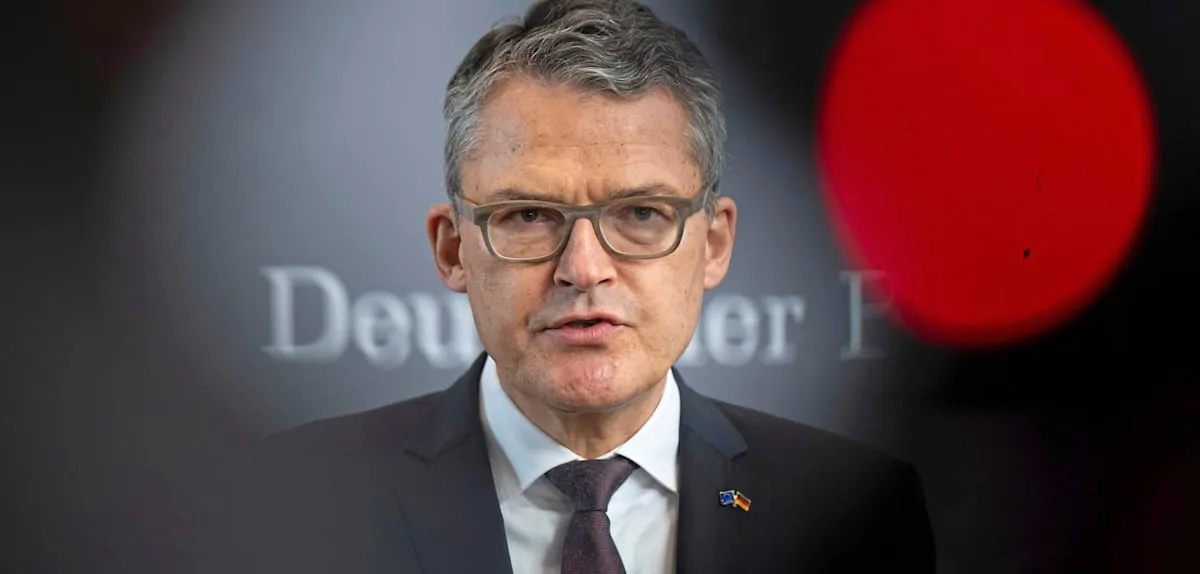
BERLIN – Senior politician from Germany's Christian Democratic Union (CDU) Party, Roderich Kiesewetter, has voiced deep concerns regarding the potential escalation of terror from Russia. He urged North Atlantic Treaty Organization (NATO) members to promptly hold consultations based on Article 4 of the NATO Treaty, a step he believes is crucial for confronting increasingly tangible threats. However, the German Federal Government reportedly rejects this consultation initiative, raising significant questions about the alliance's readiness to face Kremlin's aggression in 2026.
Kiesewetter, also a foreign policy expert, asserted that Moscow tends to view diplomatic or symbolic measures as an indication of weakness. For Russia, actions that are merely diplomatic or symbolic send the wrong signal; they will perceive it as weakness, Kiesewetter stated, as reported by reliable sources. This perspective highlights the necessity for a more firm and coordinated response from NATO.
Article 4 of the North Atlantic Treaty stipulates that the Parties will consult together whenever, in the opinion of any of them, the territorial integrity, political independence or security of any of the Parties is threatened. Kiesewetter's urging is based on his conviction that external threats to NATO member states now necessitate a serious collective response. Geopolitical tensions in Eastern Europe are escalating, strengthening the argument for increased vigilance.
The threats Kiesewetter refers to are not limited to conventional military aggression. The concept of Russian terror also encompasses hybrid attacks, intense disinformation campaigns, and efforts to destabilize political systems in Western countries. Europe has experienced the impact of these tactics, including cyberattacks targeting critical infrastructure and information manipulation influencing public opinion.
The German government, currently led by Chancellor Olaf Scholz, appears reluctant to heed this call. Their refusal to activate Article 4 sparks fierce debate in domestic and international political arenas. Some argue that this reluctance demonstrates differing priorities or concerns about unnecessary conflict escalation.
Berlin's decision contrasts with demands from several other NATO member states who also feel threatened by Russian maneuvers. For instance, the Baltic states and Poland consistently call for solidarity and firm action from the alliance. These tensions were previously evident in the Leipzig drone attack incident, which provoked strong reactions from Germany and its allies. Germany Shakes Putin: Leipzig Drone Mastermind, NATO on Full Alert!
Kiesewetter emphasized that Article 4 consultations are not a declaration of war but an essential preventive mechanism. This is a tool to demonstrate the unity and strength of the alliance, not a provocation. We need to speak openly about how these threats affect each member, he explained. Such dialogue can map out more effective collective measures.
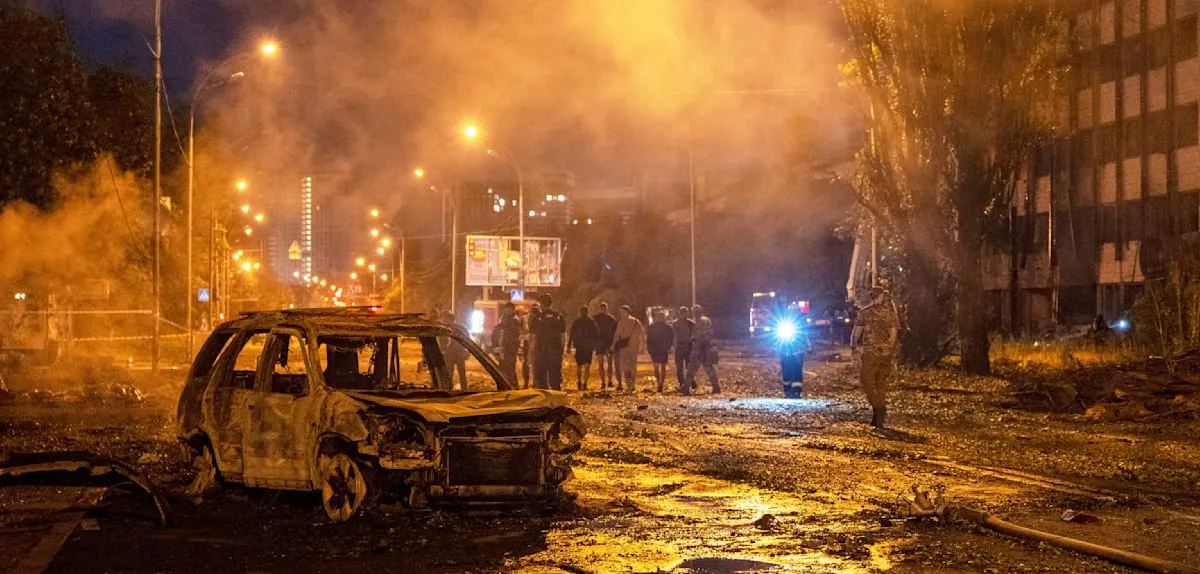
The conflict in Ukraine continues to be the main backdrop for these tensions, with Russia consistently demonstrating aggressive postures. Incidents at borders and in European airspace have heightened military alert levels. This situation is exacerbated by reports of Russian hybrid threats shaking stability, leading many European nations to be on full alert.
Amidst geopolitical tensions, a big question arises: does Germany's reluctance indicate a division within NATO, or is it a more subtle diplomatic strategy to avoid direct confrontation? Germany had certain energy and economic dependencies on Russia in the past, although much has changed.
Some analysts argue that Berlin might be concerned that formal consultations would worsen the situation and prompt the Kremlin to take more extreme measures. However, this view is opposed by those who believe that firmness is the only language Moscow understands.
In this context, it is important to understand that internal NATO discussions are crucial. Failure to reach a consensus on an appropriate response to Russian threats could weaken the alliance's overall position and provide an opening for the Kremlin to exploit these differences. This presents a serious test for NATO's cohesion in 2026.
Editorial Insight: The German Government's decision to reject NATO Article 4 consultations, despite the urging from senior politicians like Kiesewetter, highlights a complex strategic dilemma at the heart of Europe. Balancing regional stability with demonstrating firmness against aggression, Germany appears to be opting for a more cautious path. However, this caution risks sending ambiguous signals to Russia, which might interpret it as a lack of resolve from the alliance. The future of European security heavily depends on how NATO, especially major nations like Germany, balances these two imperatives without compromising its principles of collective defense.