 Debby Wijaya
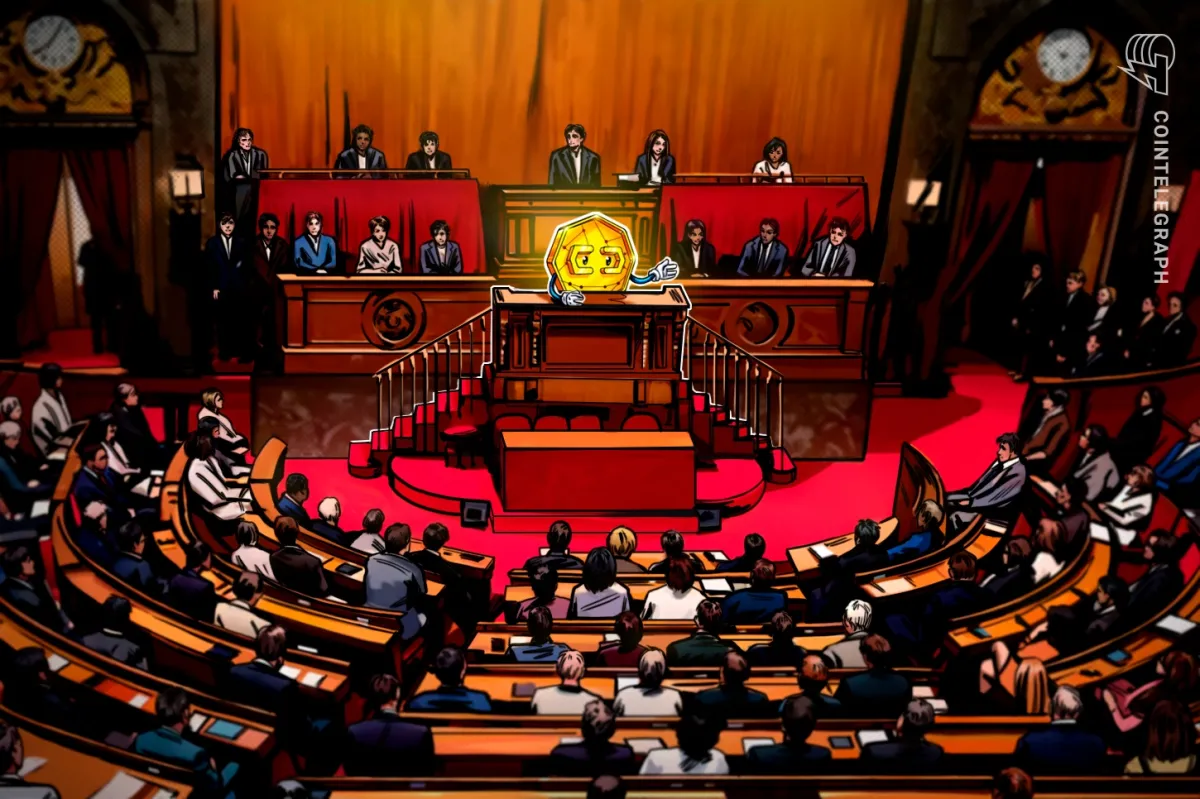
WASHINGTON – The United States Senate has issued a stringent ultimatum to four key entities in the digital asset ecosystem, including crypto giants Binance and Tether, as well as several firms affiliated with President Donald Trump. Senator Richard Blumenthal, in late 2026, demanded the submission of crucial records pertaining to their operations by November 30, warning of further action if the January 4 deadline is not met. This demand underscores the US regulator's commitment to transparency and accountability in the rapidly expanding financial sector.
The request reflects increasing Congressional oversight of the crypto industry, which has recently been marked by market volatility and concerns over financial stability. Senator Blumenthal highlighted potential risks posed by digital assets, including alleged money laundering, illicit financing, and inadequate investor protection.
Companies affiliated with President Donald Trump are also under scrutiny in this investigation. This fuels speculation about the potential intersection between politics and digital finance, given Trump's status as the current head of state in 2026. The examination of these entities indicates that no major player in the crypto space is exempt from strict oversight.
Binance, as the world's largest crypto exchange, and Tether, the dominant stablecoin issuer, are two names with significant impact on market stability. Both have long been subjects of regulatory discussion and scrutiny in various global jurisdictions. The US Senate's data request adds to the existing pressure on their operations.
Senator Blumenthal specifically requested comprehensive data related to compliance with anti-money laundering (AML) and Know Your Customer (KYC) regulations, as well as information on suspicious transactions. This emphasis on these aspects demonstrates the Senate's focus on closing loopholes that may be exploited by irresponsible parties within the volatile crypto market.
The threat of further action if the deadline is not met indicates that the US Senate is serious about its regulatory efforts. Such actions could include forced subpoenas, more in-depth formal investigations, or potential legal sanctions and substantial fines. This is certainly a serious concern for the companies involved.
This Senate move occurs amidst a global wave of tightening regulations on digital assets. Various countries, including Indonesia under President Prabowo Subianto's leadership, and European Union nations, continue to strive for safer and more transparent frameworks for these financial innovations. The crypto market itself has shown high sensitivity to regulatory news, as seen in significant Bitcoin price fluctuations following issues such as the Nvidia Scandal and Iran Stalemate Shaking Bitcoin in 2026.
Industry observers believe that such regulatory pressure will ultimately shape a more mature and trustworthy crypto landscape, although it may pass through a period of turbulence. Compliance with legal rules is key to business continuity in this sector.
This ultimatum can also be seen as part of a broader effort by the US government to control the narrative and operations in the technology and financial sectors, ensuring that innovation does not compromise national security or consumer protection. This demand for transparency sets an important precedent for the future of digital asset regulation in the United States and potentially globally.
Adherence to the deadline by Binance, Tether, and Trump's firms will determine the direction of future US crypto policy. Non-compliance risks accelerating heavier regulatory intervention and limiting the scope of innovation.
Editorial Insight: The US Senate's decision to demand records from crypto giants and Trump-related entities in 2026 is not merely an administrative act, but a strong signal that the 'Wild West' era in the digital asset market has ended. With President Donald Trump back in control, transparency and compliance issues appear to be top priorities, especially if there are allegations of conflicts of interest or potential platform misuse. The long-term impact is expected to force tighter global standardization, increase institutional investor confidence, but potentially limit innovation for players unwilling to adapt to an increasingly strict regulatory framework. This is a crucial moment that will shape the future of the crypto industry.