 Robert Andrison
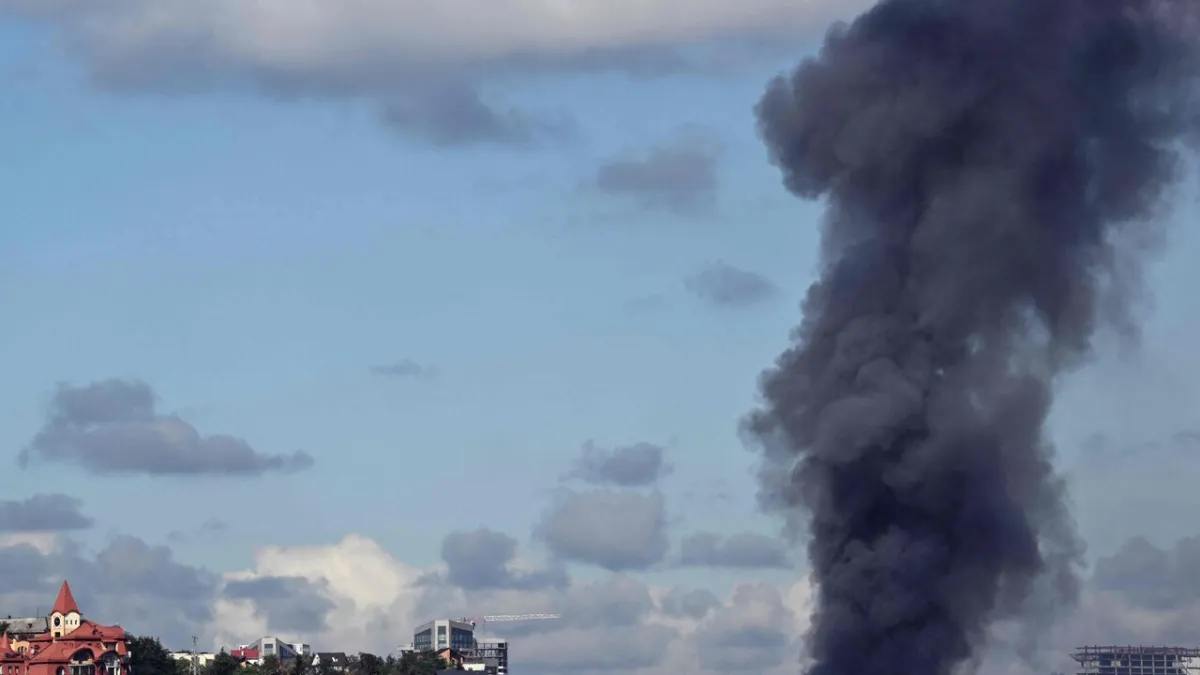
LOS ANGELES – Residents in a densely populated district of Los Angeles are currently facing an acute environmental crisis following a major warehouse fire earlier in 2026. Millions of kilograms of food stored at the facility are now decomposing amidst the ruins, creating unhygienic conditions and threatening the health of thousands.
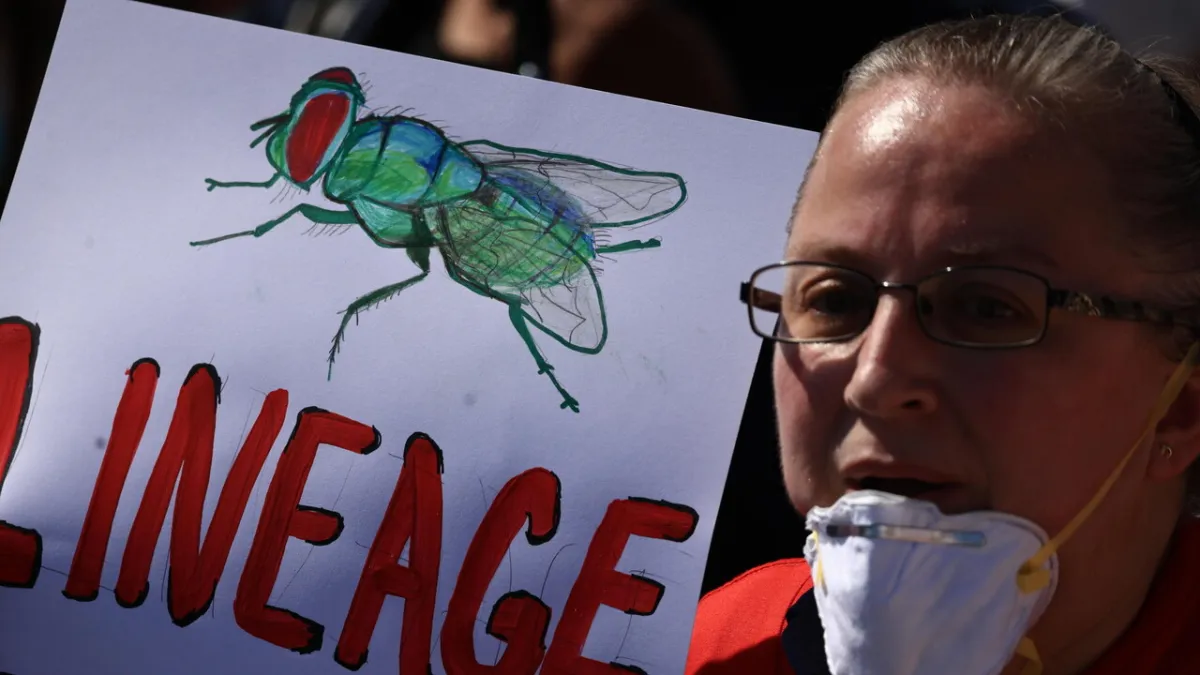
Since the fire subsided, a new problem has emerged: a pungent stench emanating from the decomposing organic material. The air around the affected area is heavy, suffocating, and has become a breeding ground for rapidly multiplying populations of flies and rats.
This situation has generated a wave of complaints and deep frustration among residents. They report sleep disturbances, difficulty engaging in outdoor activities, and serious concerns about the potential spread of infectious diseases. The slow response from local authorities has become a sharp point of criticism.
The warehouse fire, which triggered this disaster, occurred in February 2026, destroying a significant portion of a large-scale food storage facility. Although firefighting efforts successfully contained the blaze, massive quantities of residual food supplies were left unattended.
Sanitation and public health experts from the University of Southern California have warned that these conditions are a perfect recipe for a health crisis. "The potential for the spread of bacteria, viruses, and vector-borne diseases such as those carried by flies and rats is extremely high," stated Professor Emily Chen, an epidemiologist, in a recent interview.
City government, through its Sanitation Department, has stated it is working on a comprehensive plan for site cleanup. However, by mid-year, significant concrete action remains minimal, leading to mounting public anger.
"We are living in a smelly hell," expressed Maria Rodriguez, a resident who has lived in the area for thirty years. "Every day is a struggle against the stench and insects. Our children are often sick. When will this end?"
Incidents of this nature, though rare on such a massive scale in modern cities like Los Angeles, highlight the vulnerability of urban waste management post-disaster. The challenge of removing and disposing of large quantities of organic waste requires substantial logistics and funding.
Environmental advocacy groups and local communities continue to urge the city government to allocate emergency resources promptly to accelerate the cleanup process. They demand transparency in action plans and clear implementation schedules.
Without swift and coordinated intervention, the threat to residents' health and quality of life will persist. This situation also risks damaging the image of Los Angeles as a progressive and clean metropolitan city.
Editorial Insight:
The situation in Los Angeles illustrates the crucial importance of comprehensive disaster preparedness planning, not only during the emergency phase but also post-event. Waste management, particularly organic materials in the millions of kilograms, requires a multi-sectoral strategy involving government, private entities, and communities. The speed and effectiveness of the response are critical in determining whether a local incident escalates into a broader public health crisis. Authorities should consider this case a valuable lesson to strengthen future emergency protocols.