 Dorry Archiles
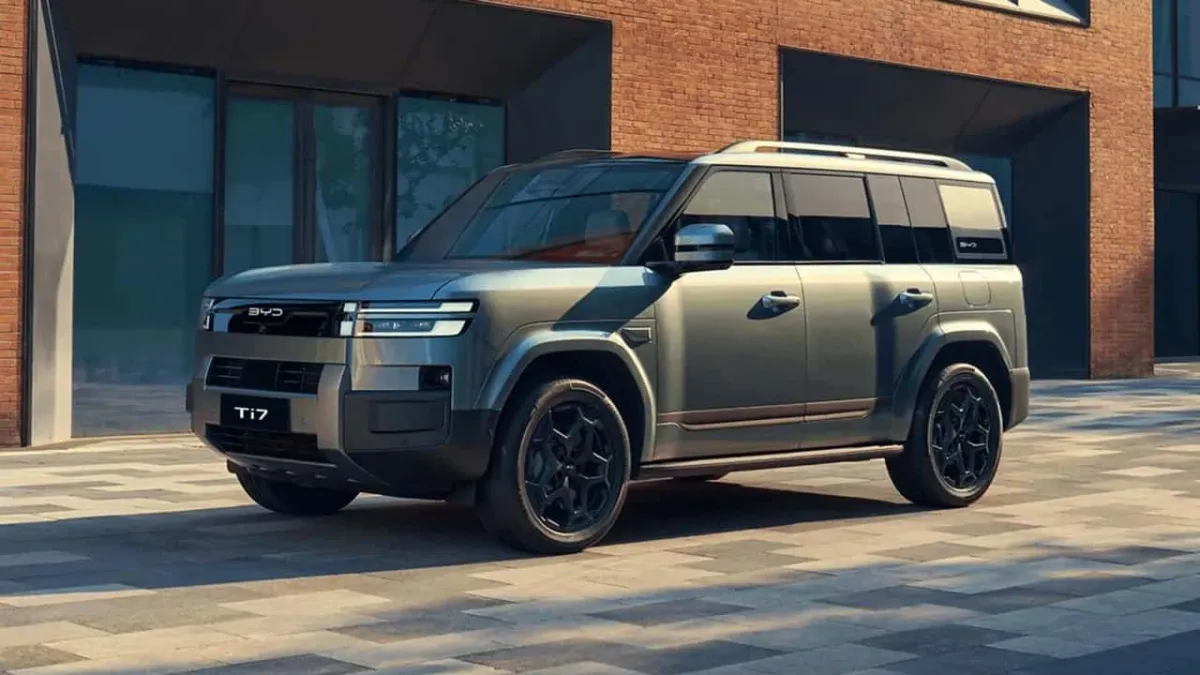
LONDON – Jaguar Land Rover (JLR), the prominent British automotive manufacturer, has reportedly filed a lawsuit against Chinese automotive giant BYD, alleging the copying of its iconic Defender SUV's design and technology. The legal action emerges after JLR accused BYD of reverse-engineering a Defender unit to develop their own model, the BYD Ti7, which exhibits striking similarities. This case marks a new chapter in the fierce global intellectual property battle within the automotive industry in 2026.
The dispute stems from internal JLR reports indicating that BYD, now a dominant player in the electric vehicle market, likely dismantled and thoroughly analyzed the Defender's technology and chassis structure. The alleged purpose of this reverse-engineering, according to JLR, was to accelerate the development process of BYD's new SUV model, which is visually and functionally very similar to the Defender.
Since its reintroduction, the Defender has solidified its status as a symbol of ruggedness and timeless design. Every curve, proportion, and off-road capability is the result of massive research and development investments by JLR over many years. Therefore, these allegations of copying are taken seriously as a threat to innovation and brand integrity.
BYD, for its part, has not yet issued an official statement regarding the lawsuit filed by JLR as of this report. The Chinese company is known for its rapid innovation and market aggressiveness, particularly in the electric vehicle segment. However, accusations of intellectual property infringement like this could significantly impact their global reputation.
This lawsuit is anticipated to become a major focal point in international legal spheres and the automotive industry. Conflicts between Western and Chinese manufacturers over patents and designs are not new, but this Land Rover versus BYD case highlights the complexity and challenges of protecting innovation in an increasingly interconnected global market.
The threat of design and technology replication is a crucial issue for automotive companies, especially in an era where product development cycles are accelerating. Protecting intellectual property is not merely about maintaining financial gain but also fostering a healthy climate of innovation and competition. Without strong protection, companies might be reluctant to invest heavily in research and development.
Past similar cases, such as Porsche's lawsuit against Zotye or Fiat Chrysler against Great Wall Motors, demonstrate that infringement of vehicle exterior design copyrights can become a long and expensive legal battle. The outcome of JLR's lawsuit against BYD has the potential to set an important precedent for the future of intellectual property protection in the automotive sector.
The global automotive industry is closely observing the developments of this case. The court's decision will not only affect these two automotive giants but could also send a strong signal to all market players regarding the accepted boundaries of competition and innovation.
For consumers, this debate might raise questions about originality and brand value. While some might see it as part of intense market competition, others will argue that copying hinders true progress in vehicle design and technology.
Regardless of the outcome, this legal battle between Land Rover and BYD reaffirms the paramount importance of non-physical assets like intellectual property in determining a company's value and competitiveness on the global stage this year 2026.
Editorial Insight: The Land Rover versus BYD case is more than just a design dispute. It reflects the increasingly intense dynamics of global competition, particularly between established innovators and new challengers from emerging markets. The outcome of this lawsuit could serve as a barometer for the future of design copyright protection in the automotive industry and potentially influence how companies collaborate or compete in the global market. Its implications could extend to international trade policies and investments in research and development.