 Demian Sahputra
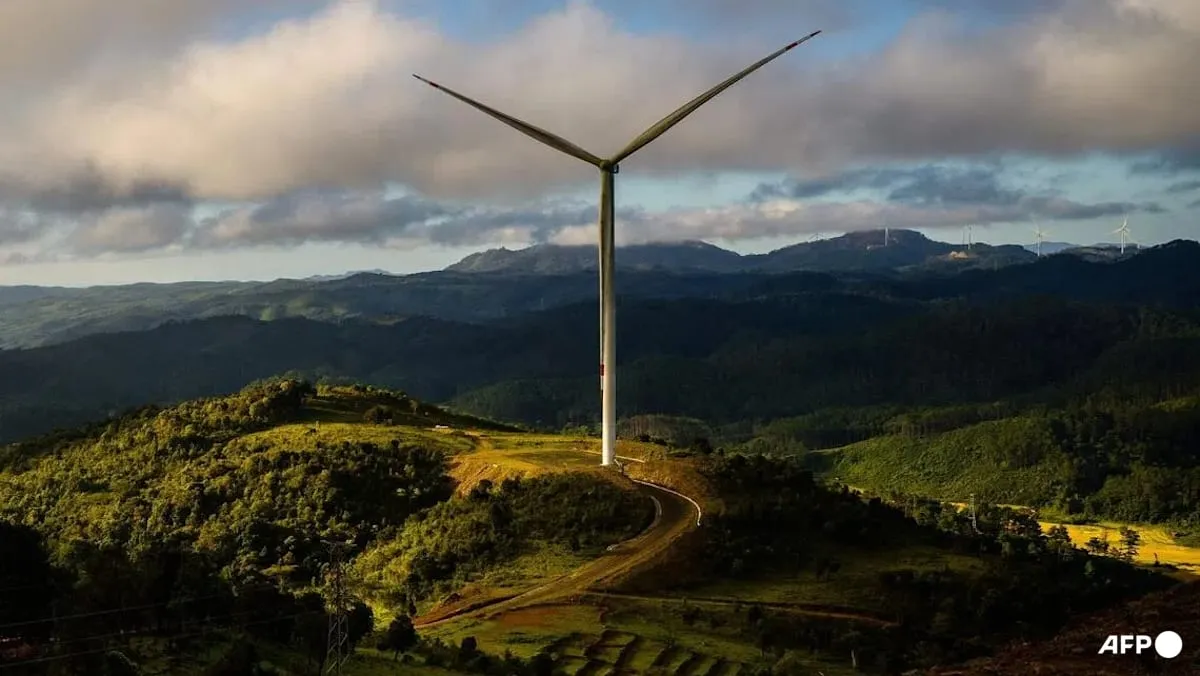
VIENTIANE – Laos, a nation long defined by the mighty Mekong River and its dominant hydroelectric dams, is now poised for a monumental energy revolution. Experts and policy observers across Southeast Asia are witnessing a significant shift, with wind energy projected to become the new backbone of an ambitious renewable energy drive. After years of proliferating hydro dam construction, the region's focus is shifting, opening a new chapter for the development of large-scale wind power plants (WPPs) in Laos starting in 2026.
This transition marks a crucial phase for the Southeast Asian energy landscape. Over the past two decades, hydroelectric dams rapidly expanded across the region, meeting surging energy demands. However, this massive expansion also sparked serious concerns regarding environmental impacts, such as changes in river ecosystems, loss of biodiversity, and displacement of local communities. Furthermore, potential market saturation and fluctuations in water supply due to climate change are also becoming pressing issues.
Attention is now turning to cleaner and more sustainable energy sources. Comprehensive assessments by various independent research institutions reveal that Laos possesses exceptionally vast wind energy potential, particularly in its underutilized mountainous regions. Consistent wind speeds and favorable topography make Laos an ideal candidate for utility-scale WPP development.
This push for wind energy is not without reason. Advances in wind turbine technology have led to higher efficiency and lower production costs, making wind power increasingly competitive compared to traditional energy sources. Additionally, global pressure to reduce carbon emissions and meet climate targets is prompting governments in the region to seek environmentally friendlier alternatives to fossil fuels and hydro.
The Laotian government, through its Ministry of Energy and Mines, has signaled a strong commitment to this transition. A series of new policies are being formulated to attract foreign direct investment into the wind energy sector. Tax incentives, streamlined permitting processes, and guaranteed power purchasing agreements are expected to accelerate the construction of WPP projects nationwide.
We believe Laos has a critical role in Southeast Asia's clean energy roadmap. With abundant wind potential, we will not only meet domestic needs but are also ready to become a significant exporter of green energy to neighboring countries, stated a senior official from the Laotian Ministry of Energy and Mines in a recent exclusive interview.
This vision aligns with regional trends. Several neighboring countries are also starting to explore energy diversification. For instance, Vietnam has cut electricity tariffs and abolished fuel taxes in 2026, a move reflecting similar efforts to secure energy supply and stimulate the economy through adaptive energy policies.
Investments in wind energy are expected to create thousands of new jobs, ranging from construction to operations and maintenance of facilities. This will not only boost local economic growth but also assist Laos in diversifying its economy away from an over-reliance on traditional sectors.
While the prospects are bright, challenges loom. Building adequate transmission infrastructure to deliver electricity from remote WPP sites to consumption centers or borders is a major hurdle. Furthermore, the need for substantial initial funding and specialized technical expertise will require close collaboration with international partners.
Regional energy observers believe that Laos' success in this transition could serve as a model for other developing nations in Asia with similar renewable energy potential. With the right policies and investment support, Laos has the potential to solidify its position as a clean and sustainable 'battery of Asia,' not just from hydro, but also from the power of wind.
The environmental impact of this shift is also substantial. By reducing reliance on hydroelectric dams and, indirectly, on fossil fuels, Laos will contribute significantly to global climate change mitigation efforts. Wind energy produces no greenhouse gas emissions during operation, making it a highly attractive option in the face of the climate crisis.
This transition underscores Laos' commitment to sustainable development, aligning with the global agenda to achieve carbon neutrality. Through its focus on wind energy, the country is not only addressing internal energy challenges but also taking a proactive role in shaping the region's clean energy future.
Editorial Insight:
Laos' strategic pivot from hydroelectric dominance to wind energy represents a bold step, signaling a maturation of energy policy in Southeast Asia. This decision, if meticulously implemented, will not only diversify Laos' energy portfolio but also enhance regional energy security. However, the success of this initiative heavily depends on Laos' ability to attract and retain foreign investment, build necessary infrastructure capacity, and ensure that this transition delivers tangible benefits to all segments of society without creating new imbalances. This is a true test of Laos' leadership in guiding the energy transition in one of the world's most dynamic regions.