 Dodi Irawan
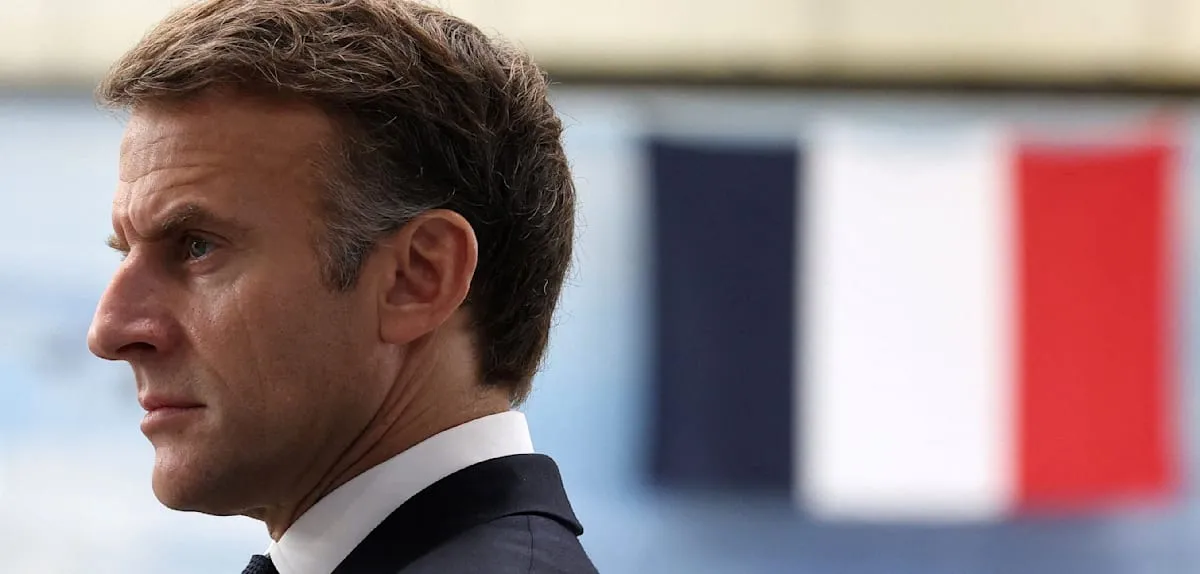
PARIS – French President Emmanuel Macron, now nearing the end of his term in 2026, has embarked on a drastic measure dubbed a kamikaze action by several observers. This move aims to curb the nation's soaring public debt, which has reached record levels, in a bid to avert a looming financial crisis threatening the eurozone's second-largest economy. This policy, though fraught with risks, is expected to become a crucial legacy for France's fiscal stability.
Recent reports indicate that France's national debt has surged to an unprecedented level, surpassing critical thresholds set by the European Union. This significant increase stems from various factors, including post-pandemic economic stimuli, massive social spending, and the ongoing impact of global conflicts.
Acknowledging the urgency, Macron is determined to enforce strict new regulations before his leadership concludes. These regulations, whose details are still under intensive discussion, are believed to entail radical government spending cuts and enhanced fiscal efficiency. However, such measures risk triggering political turmoil and widespread opposition.
The term kamikaze action is not without reason. Critics warn that overly aggressive budget cuts could stifle economic growth, provoke waves of social unrest, and even jeopardize welfare programs that have long been pillars of French society. Political risks are also exceptionally high, particularly with upcoming elections on the horizon.
France's fiscal condition is intrinsically linked to global economic dynamics and pressure from its European Union partners. Member states, including Germany, consistently advocate for tighter budgetary discipline across the bloc. Tensions surrounding the stalled EU Budget in 2026 and debates regarding the EU budget deemed excessive by Germany form a significant backdrop to Macron's decision.
Throughout its history, France has been known for an economic model prioritizing state intervention and a robust social safety net. Macron's current policy signals a potential paradigm shift, a monumental gamble that could define his legacy in the public eye.
While specific details about the new rule have not been fully disclosed, leaked information suggests stringent limits on new borrowing and a comprehensive review of major subsidies. The primary objective is to achieve budgetary balance in the medium term, a highly ambitious target given current circumstances.
Several opposition parties have voiced deep concerns, branding the policy a reckless act that will burden ordinary citizens. Conversely, some economists and conservative politicians have welcomed Macron's initiative, deeming it a necessary step to maintain the nation's fiscal credibility.
French citizens are expected to feel the direct impact of this policy. Potential tax increases or cuts to public services are widely discussed scenarios, though the government endeavors to assure that every step will be taken cautiously to minimize negative effects on the populace.
International credit rating agencies are also closely monitoring these developments. The success or failure of Macron's kamikaze action will significantly influence France's sovereign debt rating, which in turn affects the country's borrowing costs in global markets.
Both time and political pressures make the implementation of this policy critically important. As his term concludes, Macron races against the clock to secure his legacy as a leader brave enough to confront fiscal challenges, or conversely, be remembered for a move that exacerbated the situation.
Editorial Insight: President Macron's decision to undertake significant fiscal risks reflects a universal dilemma faced by many leaders in the post-pandemic era. This is not merely a battle of numbers but a contest of narratives between courageous reform and concerns for social stability. The success of this policy would establish an important precedent for other EU nations grappling with debt burdens. However, failure could ignite a wave of discontent capable of fundamentally altering France's political landscape and creating ripples across global economic stability. This is a gamble the entire world will be watching.