 Chris Robert
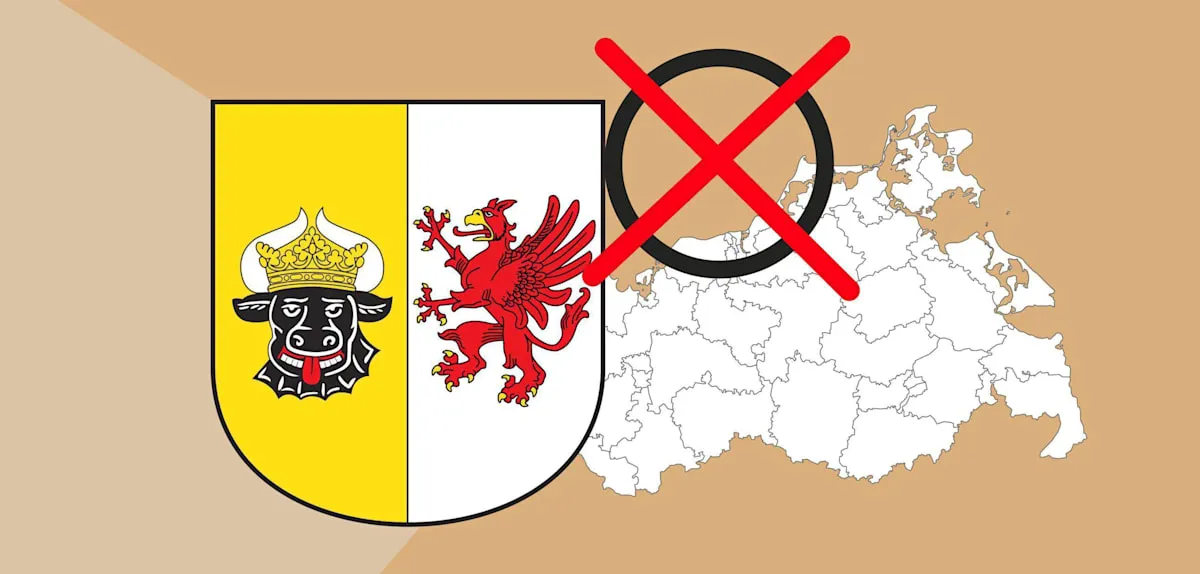
Schwerin – The Social Democratic Party (SPD) in Mecklenburg-Vorpommern is projected to secure a surprising victory in the 2026 state parliament election, or Landtagswahl. Initial data and analyses indicate that Minister President Manuela Schwesig will achieve a political sensation by strengthening her position, affirming her dominance in Germany's northeastern region. This prediction has sparked a wave of optimism among SPD supporters and has become a major focal point in the German political landscape.
This Mecklenburg-Vorpommern Landtag election has garnered widespread attention, not only regionally but also nationally. The success of the SPD under Schwesig's leadership is expected to serve as a crucial barometer for voter sentiment and policy direction across Germany. Early results and surveys suggest that the SPD is on track to maintain or even increase its number of seats in the Landtag.
Since assuming office as Minister President, Manuela Schwesig has cultivated an image as a strong and accountable leader. Her consistent popularity, particularly in managing local issues and responding to global challenges, has been a key factor behind this projected victory. Her pragmatic approach and effective communication have endeared her to many voters in Mecklenburg-Vorpommern.
Political analysts note that this Schwesig factor extends far beyond traditional party support. Her ability to attract voters from various ideological spectrums has been an invaluable asset to the SPD. Schwesig's credibility and personal charisma are believed to have successfully transformed public perception of the party and mobilized a loyal voter base.
Projections for the Landtag election results indicate that the SPD is likely to emerge as the dominant force, leaving rival parties such as the Christian Democratic Union (CDU) and Alternative for Germany (AfD) far behind. While the AfD remains a significant force, especially in some rural areas, their influence appears to be contained by the consolidation of support for the SPD.
Several preliminary data points gathered by observers underscore the SPD's lead in key indicators:
- Public satisfaction with the performance of the regional government led by Schwesig reached its peak leading up to the election.
- Issues such as regional economic development, infrastructure, and healthcare were central to the SPD's campaign, aligning with community aspirations.
- Voter turnout is anticipated to be quite high, demonstrating citizens' enthusiasm to exercise their right to vote.
This victory, if realized, will provide Schwesig with a strong mandate to continue her development agenda. It will also bolster Mecklenburg-Vorpommern's voice in the German Federal Council (Bundesrat) and could influence future coalition political dynamics. Such regional victories often serve as a signal to national parties about the political climate in the country.
For the national SPD, this triumph provides a significant morale boost. Amidst fluctuating support for other major parties, such as the chancellorship prospects faced by the CDU through figures like Friedrich Merz, the SPD's strong performance in Mecklenburg-Vorpommern demonstrates that the party still possesses a solid base of support in several regions.
The impact of this Landtagswahl result may extend to Berlin, granting the SPD greater leverage in federal policy debates. Schwesig can use this outcome as a platform to vocalize her state's interests more emphatically, ensuring that the needs of Mecklenburg-Vorpommern remain a primary focus on the national agenda.
The success of Manuela Schwesig can also serve as an inspiration for other political leaders in Germany. A people-oriented approach and a focus on practical solutions often prove more effective than divisive political rhetoric. The story of this victory in Mecklenburg-Vorpommern will be an important case study for future campaign strategies.
Editorial Insight: Manuela Schwesig's and the SPD's decisive victory in Mecklenburg-Vorpommern is more than just a regional election result; it reflects public trust in stable and responsive leadership. In Germany's dynamic political climate, this performance sends a strong signal that voters still value pragmatism and the ability of regional leaders to solve problems. This outcome has the potential to strengthen the SPD's position nationally and offers a successful example for political strategies focused on public welfare, even capable of mitigating negative sentiment towards other established parties.