 Gabriella

MARCINELLE – The solemn commemoration of the Marcinelle coal mine tragedy in Belgium in 2026 was shaken by intense political tension. Italian Prime Minister Giorgia Meloni harshly condemned the actions of the Confederaione Generale Italiana del Lavoro (CGIL) trade union as an “institutional insult” during the ceremony honoring the victims. The incident sparked a public debate between the government and the labor union, with CGIL dismissing the criticism.
Tension escalated when Meloni issued a statement condemning what she called “shameful to turn one's back” on such a sacred moment. She referred to specific actions taken by CGIL representatives during the ceremony, which she felt did not respect the dignity of the profound humanitarian tragedy's commemoration.
“It is truly shameful to turn one's back on institutions and sacred moments like this, especially in the face of the memory of fallen workers,” stated Prime Minister Meloni in a virtual press conference broadcast from Rome, responding to reports from the site in Belgium. Her criticism highlighted the importance of maintaining unity and respect for collective history, particularly for the Italian immigrants who were victims of the disaster.
Responding to the accusation, Maurizio Landini, Secretary-General of CGIL, swiftly retorted. He described the incident as a “sunstroke” or an overreaction. Landini denied any malicious intent from the trade union, instead framing it as an expression of disappointment over government policies they believe do not adequately support worker welfare and migrant laborers.
Landini emphasized that CGIL has the right to voice its aspirations, even during formal events. “This is not an insult, but a reflection of the frustration that exists at the grassroots level. To dismiss it as a sunstroke is an attempt to belittle substantial issues,” Landini asserted, defending his union's stance.
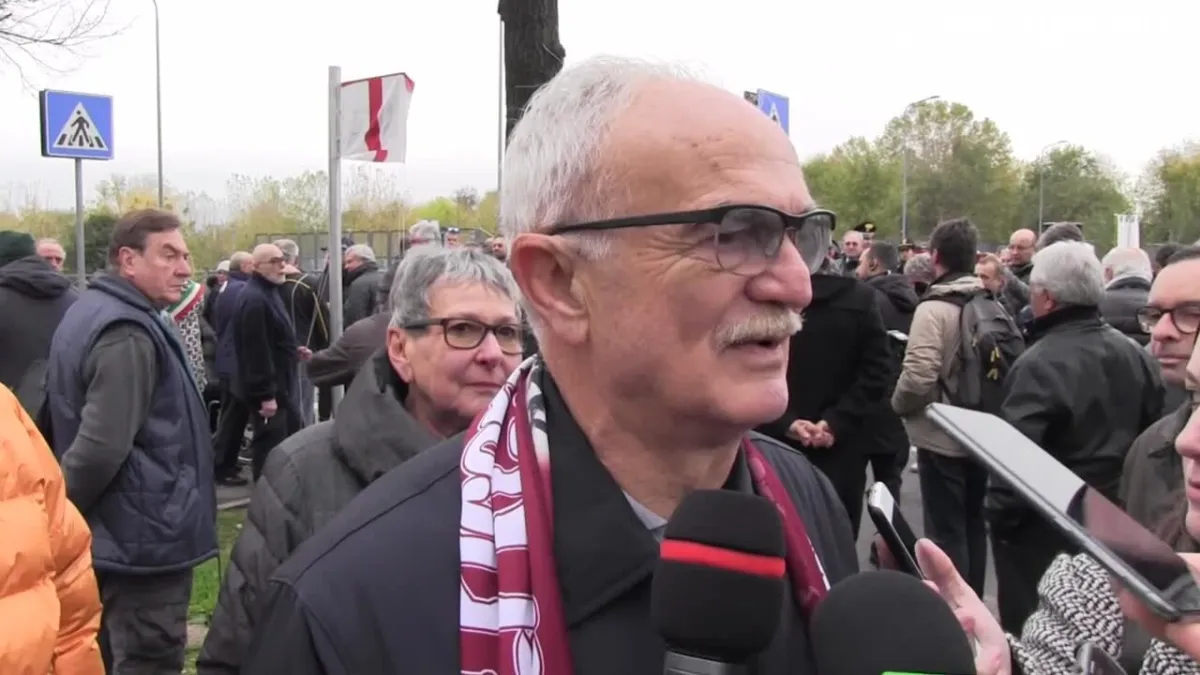
Surprisingly, representatives from a Belgian trade union expressed solidarity with CGIL and openly admitted their involvement. “It was us,” said a Belgian union representative, implying that the protest was a concerted effort to draw attention to the ongoing relevance of migrant worker conditions, 70 years after the original tragedy.
The commemoration of the Marcinelle tragedy, which occurred on August 8, 1956, where 262 miners, mostly Italian immigrants, died in a mine fire, has always been a symbol of worker struggle and sacrifice. The year 2026 marks the 70th anniversary, making it a crucial moment for reflection on worker rights and migrant dignity. For further perspective on the significance of this commemoration, see the article Mattarella Shakes Europe: 70 Years of Marcinelle, Migrant Dignity Must Not Be Violated!
This dispute underscores the persistent political tensions in Italy between the government led by Fratelli d'Italia (Fdi) and trade unions, particularly CGIL, which is one of the largest unions in the country. This strained relationship often culminates in public debates over economic, social, and labor policies.
Similar incidents at previous Marcinelle commemorations have also drawn attention. An in-depth article discusses Meloni's harsh criticism of CGIL's actions in a similar context. You can read more at Meloni Slams CGIL's Actions at Marcinelle Commemoration: Institutional Insult?, which provides a broader contextual overview.
Editorial Insight: The incident in Marcinelle transcends a mere debate between the government and trade unions. It is a reflection of historical wounds that have not fully healed, of migrant sacrifices, and the enduring struggle for worker dignity. Meloni's claim of “institutional insult,” met with Landini's “sunstroke” retort, illustrates a deep ideological divide in Italy. When symbols of nationalism clash with the voice of labor, solemn commemorations risk becoming political battlegrounds, jeopardizing the essence of national unity and historical recognition. Such conflicts risk eroding social consensus, especially on sensitive issues like labor rights and immigrant contributions.