 Dodi Irawan
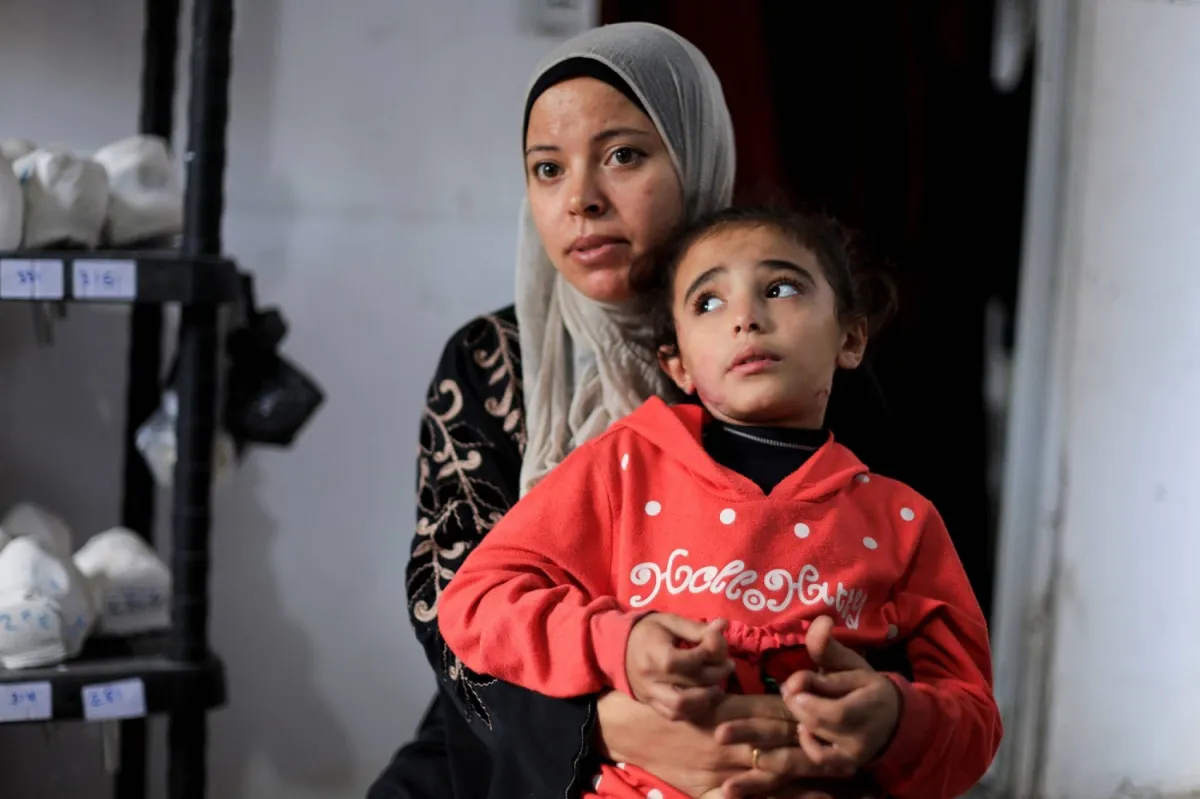
GAZA – Masa Yassin, a six-year-old girl from the Gaza Strip, currently faces the risk of permanent disfigurement after her burn treatment was halted. This critical delay stems from Israeli authorities preventing the entry of vital plastic material needed for her specialized mask, an essential device for controlling scar tissue formation on her face following a tragic incident in 2026. This situation once again highlights the humanitarian dilemma amid regional political tensions.
Masa's heartbreaking story represents the grim reality of the humanitarian crisis plaguing civilians in Gaza. She suffered severe burns requiring continuous medical attention. According to the medical team treating her, a special pressure mask is the most effective solution to suppress keloid growth and ensure optimal healing, minimizing aesthetic and functional impacts on her very young skin.
Without this mask, Masa's skin is at high risk of developing severe hypertrophic scars or keloids. This condition not only causes cosmetic problems but can also limit joint mobility in the burned area, leading to chronic pain, and significantly impacting Masa's future quality of life.
The plastic material required for this mask is not just any type. It is a specialized medical polymer that must be imported as it is unavailable in the besieged Gaza Strip. This import constraint has been a recurring obstacle for the health sector in the territory, causing many patients to be unable to access essential treatment.
Israeli authorities state that the reason behind the restriction on material imports is concerns regarding the potential dual-use of the material for non-medical or security purposes. However, human rights advocates and international humanitarian organizations refute these claims, emphasizing that the material is specifically designed for medical applications and the urgency of patients like Masa's needs.
Doctors and medical staff at the hospital where Masa is being treated have repeatedly appealed to the authorities to grant permission for the material's entry. They stress that further delays will only worsen Masa's condition, making future recovery efforts far more complex and less effective.
The European Union and several UN organizations have voiced their concern over Masa's case and the broader medical blockade in Gaza. They urge Israel to facilitate the unimpeded entry of humanitarian aid and medical materials, in accordance with international law.
The Palestinian Ministry of Health in Gaza confirmed that Masa Yassin's case is just one of many examples of patients whose lives are threatened due to restricted access to basic medical equipment and supplies. They call on the international community to pressure Israel to comply with its humanitarian obligations.
The protracted political dispute between Israel and factions in Gaza has long harmed the civilian population, especially children. Masa's incident serves as a painful reminder of the price paid by the most vulnerable individuals in an unending conflict.
Masa's family, now filled with deep concern, hopes for immediate international intervention. They simply want their little daughter to have the best chance to recover and live a normal life, free from the burden of a preventable physical disfigurement.
Editorial Insight: Masa Yassin's case is not merely an individual story, but a systemic reflection of humanitarian challenges in conflict zones. Israel's dual-use material restriction policy, even if for security reasons, often directly impacts the welfare of uninvolved civilians. This situation underscores the urgency for international actors to consistently prioritize the right to health, decouple essential medical needs from broader security narratives, and seek effective mechanisms to ensure vital supplies reach those most in need in Gaza, without compromise. Ignoring this means allowing future generations to grow up with preventable physical and psychological burdens.