 Debby Wijaya
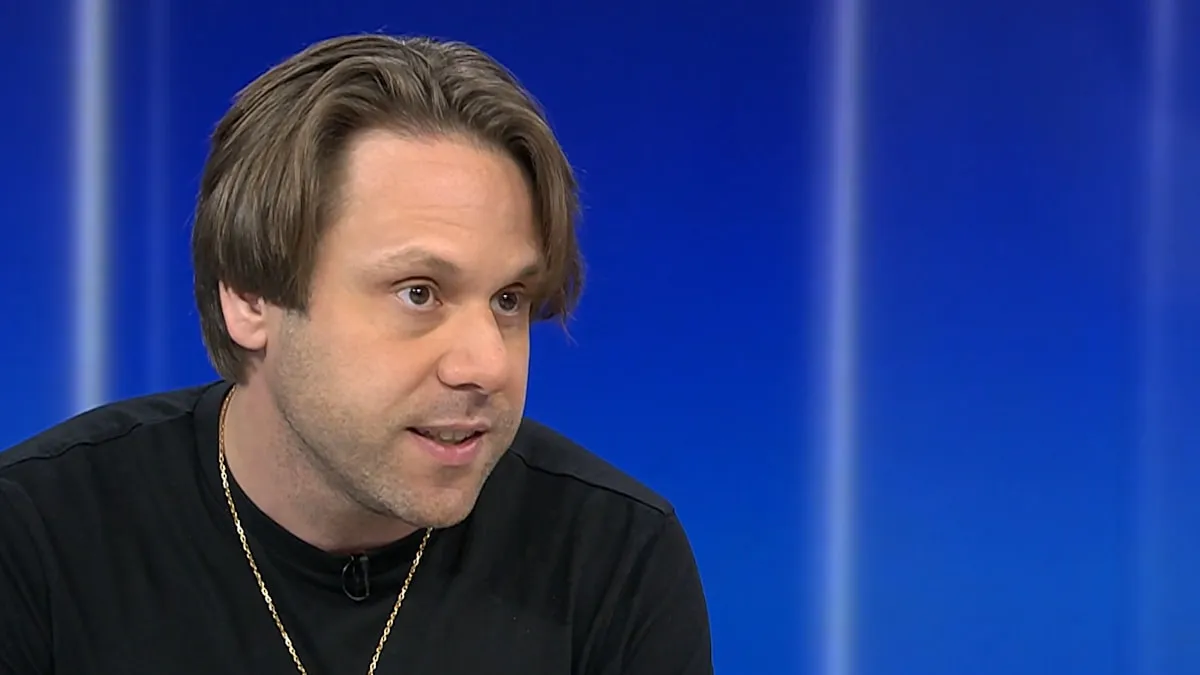
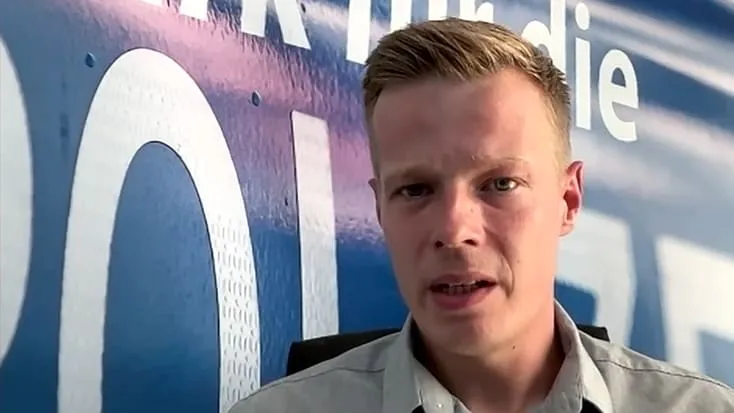
BERLIN – Chancellor Merz, during a significant campaign event in Berlin recently, openly revealed that he occasionally uses the S-Bahn commuter train service in the German capital. This statement immediately triggered a reaction from the media, with WELT editor Dennis Sand issuing a provocative challenge questioning the chancellor's level of connection with the grassroots.
Merz appeared to be attempting to project an image of a grounded leader who understands the rhythm of his citizens' daily lives. The use of public transport is often a cherished symbol of populism adopted by politicians, an effort to bring themselves closer to the common commuter experience.
However, Dennis Sand identified a loophole in Merz's statement. Sand, through his column in WELT, promptly suggested that Merz should not merely stop at the S-Bahn. For Sand, the essence of true closeness to the people lies in a more challenging route that represents Berlin's social diversity.
The Neukolln district, proposed by Sand, is known as one of the most demographically diverse areas and is often identified as a barometer of working-class life. The U8 route, which traverses Neukolln with all its social dynamics, is vastly different from the S-Bahn corridors that might be more frequently used by executives and tourists.
Sand explicitly stated, 'For even more closeness to the people, Merz would only have to take the U8 to Neukolln.' He added, 'Then one would really see how close he is to the citizens.' This statement became a sharp highlight, underscoring the ongoing discourse about the authenticity of political elites' claims of populism.
The concept of 'Volksnahe' or closeness to the people is indeed essential in German politics, especially leading up to elections. Public perception of a leader who is seen to understand their citizens' difficulties and aspirations can significantly influence electability and party support.
Public transport in Berlin offers a wide spectrum of experiences. While the S-Bahn serves broader routes, often connecting the city center with suburban areas or more affluent districts, the U-Bahn — particularly lines like the U8 — delves into the heart of denser neighborhoods, reflecting a more complex social reality.
Merz's move to mention using the S-Bahn can be seen as a campaign strategy to gain sympathy. However, Sand's challenge forces the public to reflect further: is merely taking public transport enough to claim closeness to the people, or is a deeper, more representative experience required?
This debate reflects an eternal challenge for modern political leadership. Amid urbanization and societal complexity, maintaining a genuine connection with the electorate goes far beyond symbolic gestures. It demands a deep understanding of the actual conditions on the ground.
Mass media, such as WELT, plays a crucial role in challenging political narratives and ensuring accountability from leaders. Dennis Sand's criticism is an example of how journalism can encourage deeper reflection on campaign promises and claims of public proximity.
The performance of Merz's political party, the CDU, in some regions has also been under scrutiny recently. The issue of closeness to the people becomes even more crucial, considering the challenges faced as the CDU in Mecklenburg-Vorpommern Failed, Threatening its Volkspartei Status with a Total Reset. The response to Sand's challenge will shape public perception of Merz and his party moving forward.
Editorial Insight: Dennis Sand's challenge to Chancellor Merz is not merely an invitation to ride a train, but a sharp satire of politicians' attempts to build a populist image without substance. In the 2026 political landscape, where polarization and public mistrust are growing, symbolic gestures must be followed by concrete policies and an authentic presence among the populace. Failure to demonstrate genuine closeness will widen the gap between the elite and the people, eroding leadership legitimacy.