 Dorry Archiles
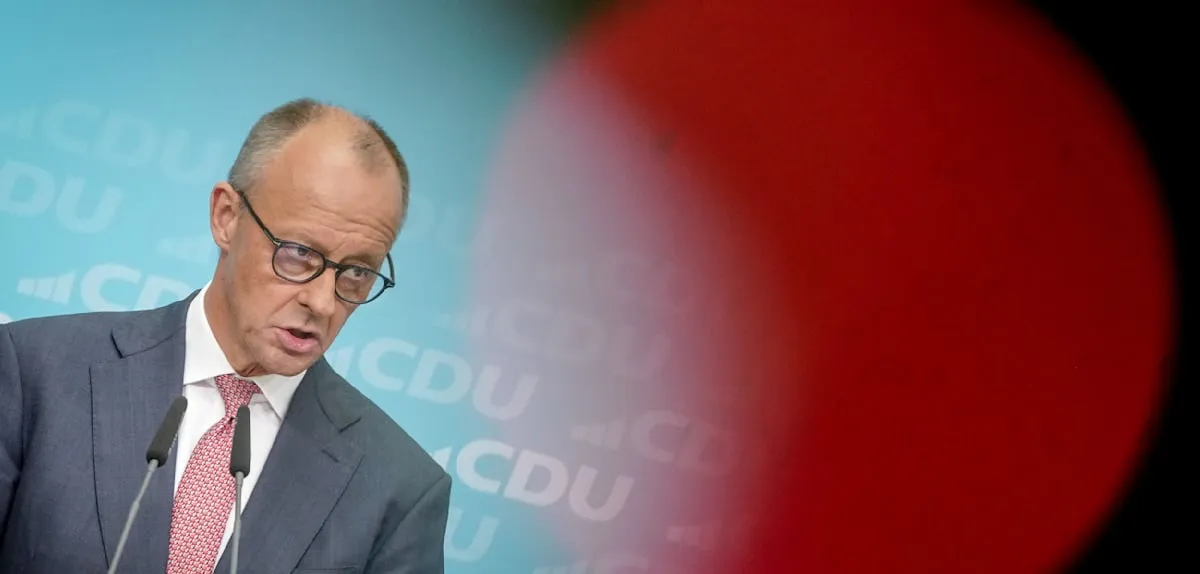
BERLIN – German Chancellor, Friedrich Merz, recently sparked a fierce debate within political circles and the public after announcing reform plans he described as radical, particularly concerning the private health insurance system. These statements, touching on core issues of social justice in healthcare services, were promptly followed by an urgent clarification from his spokesperson.
Chancellor Merz's initial statements hinted at drastic measures that could potentially reshape the health insurance landscape in Germany. Although specific details were not explicitly outlined, the use of phrases such as 'radical measures' was sufficient to raise concerns and speculation among the populace, especially those relying on the private health insurance system.
The health insurance system in Germany operates on a dual model, comprising mandatory health insurance (GKV) for the majority of the population and private health insurance (PKV) for high-income groups, self-employed individuals, or certain civil servants. Debates regarding disparities in access and quality of services between these two systems are not new, often referred to as a 'justice problem'.
Merz, serving as Chancellor in 2026, appears keen to address this imbalance with a bold approach. However, the radical nature of his proposals raises significant questions about implementation, financial implications, and the political reception of such initiatives.
The spokesperson for Chancellor Merz swiftly responded to the emerging turmoil. This clarification aimed to quell public concerns and provide further context to the Chancellor's statements, which many interpreted as a hasty political maneuver.
According to the clarification, Chancellor Merz's statements should be understood within the broader framework of discussions on optimizing and enhancing the efficiency of the overall German health system. The spokesperson emphasized that the primary goal is to ensure a sustainable and fair system for all citizens, without intending to arbitrarily disadvantage any party.
This clarification, rather than fully reassuring, highlighted the sensitivity of the health insurance issue in Germany. Any policy change in this sector has direct implications for millions of citizens, thus requiring caution and strong political consensus.
Opposition parties and trade unions immediately reacted. They called for greater transparency and demanded that any major reforms must undergo extensive public consultation. Concerns about potential increased financial burdens for certain segments of society became a central focus of criticism.
This situation adds complexity to the political dynamics in Germany in 2026, where debates on social policy are becoming increasingly intense. Chancellor Merz faces the challenge of navigating public expectations and political pressure, especially given several previous political upheavals, including election results in various regions indicating shifts in political power. Related articles also highlight how Germany Shaken: AfD Dominates East, Chancellor Merz Calls Results a 'Disaster'!, reflecting a challenging political climate for the coalition government.
Efforts to reform private health insurance will be a significant test of the Merz government's ability to implement necessary structural changes without triggering greater social unrest. The balance between policy innovation and social stability will be key to successful implementation.
Editorial Insight:
Chancellor Merz's statements on health insurance, followed by a sudden clarification, underscore the fragility of socioeconomic issues in Germany. This indicates that radical reform efforts, even if intended for justice, often clash with complex political and social realities. This event could serve as an early indicator of how far the Merz government is willing to take political risks for its reform vision, and how significant the challenges it will face from an increasingly critical opposition and public. The government's credibility and communication skills will be fundamentally tested in this uncertain political climate. Given that this issue is very close to citizens' daily lives, clear and consistent communication will be crucial to prevent further polarization.