 Dodi Irawan
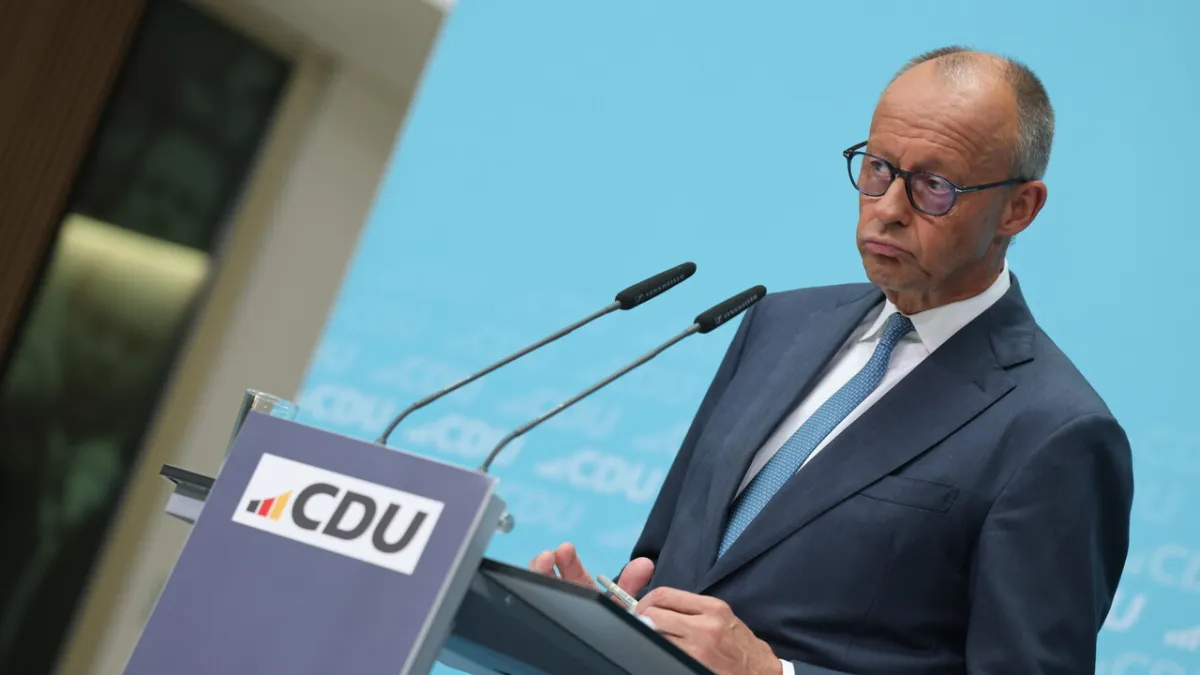
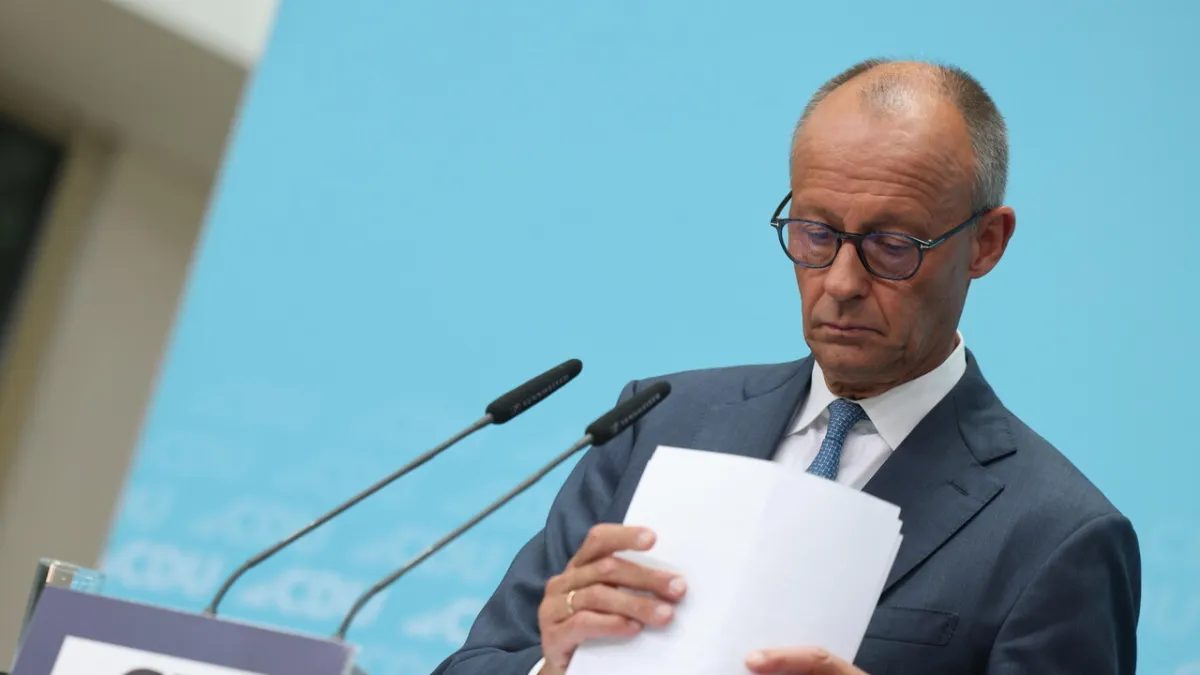
MAGDEBURG – The landslide victory of the Alternative for Germany (AfD) party in the Sachsen-Anhalt state election in 2026 has shocked many, particularly the leader of the Christian Democratic Union (CDU), Friedrich Merz. This result sent shockwaves across the German political landscape, with Merz openly expressing his profound surprise. We are shaken to our foundations, but I will not give up, Merz stated, describing the day as a dark day for his party and for Germany.
The election in Sachsen-Anhalt served as a critical barometer of public sentiment. The drastic increase in support for the AfD signals a significant shift in voter preference towards the far-right, reflecting widespread dissatisfaction with current government policies and established parties. This is more than just an election victory; it is a powerful statement from an electorate that feels marginalized.
The German Chancellor also faces immense pressure. The AfD's victory in Sachsen-Anhalt has directly prompted the Alternative for Germany to demand his resignation, an indication of increasing political polarization. A tense atmosphere envelops Berlin as party leaders scramble to de-escalate the situation following this unexpected electoral outcome.
Friedrich Merz, leading the CDU, expressed his dismay. His statement about a 'dark day' underscores the gravity of the situation. For the CDU, traditionally a strong party in the region, this result represents a severe blow, forcing them into deep introspection regarding their strategy and political appeal.
Sachsen-Anhalt, as one of Germany's eastern states, often serves as a testing ground for populist parties. The history following German reunification has created unique social and economic conditions, which are sometimes exploited by political movements offering radical solutions. The AfD's victory reinforces this trend, serving as a reminder of the challenges of integration and social cohesion.
Some analysts liken this phenomenon to a German Brexit, a term suggesting a deeper potential for division within German society. Professor Stadelmann from the University of Munich, for example, once predicted that an AfD victory would mirror a German Brexit and herald a decade of wild politics. This perspective highlights concerns about the long-term impact on the country's political and social stability.
- Immigration issues
- Economic policies
- National identity issues
The increasing support for far-right parties like the AfD is a complex issue. It involves a spectrum of concerns ranging from immigration and economic policies to national identity issues. The party has successfully mobilized segments of the electorate who feel their aspirations are not represented by mainstream parties.
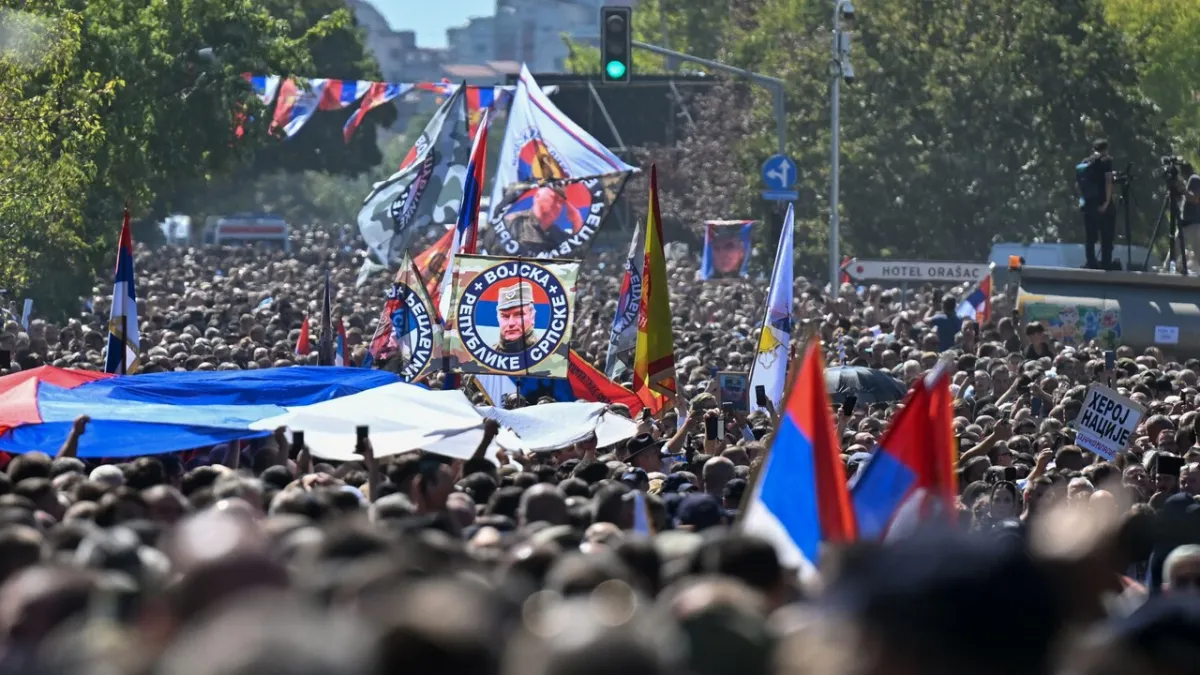
Following the election, the residents of Magdeburg, the capital of Sachsen-Anhalt, witnessed mass demonstrations. Thousands took to the streets to express their views on the election results. Police reported that the demonstrations remained peaceful, indicating that despite polarization, the community upheld the right to peaceful expression.
Discussions surrounding coalition formation in Sachsen-Anhalt will now be highly challenging. With the AfD securing a significant share of the vote, other parties must decide whether to form a strong bloc to exclude the AfD or seek ways to engage with parts of their voter base. This will determine the political direction of the state for the coming years.
The impact of the AfD's victory extends beyond Sachsen-Anhalt. It sends a strong signal across Germany and Europe about the resurgence of identity politics and nationalism. Mainstream parties across the continent must now confront this new reality and adjust their strategies to address the concerns driving the surge in support for far-right groups.
The 2026 Sachsen-Anhalt election marks a significant point in German political history. It is a moment that compels deep reflection on democratic values, tolerance, and the future of the European Union. Merz reaffirmed his commitment not to give up, indicating that the political struggle will continue amidst this upheaval.
German political expert, Dr. Lena Schmidt, commented, The Sachsen-Anhalt result is a wake-up call for all parties. Ignoring these sentiments will only exacerbate the situation. We need to understand the root causes and offer concrete solutions.
Editorial Insight: The AfD's victory in Sachsen-Anhalt is not an isolated incident but a reflection of a global trend of populism and public dissatisfaction with the establishment. The challenge for democratic parties in Germany is how to respond to this upheaval without compromising core principles or validating extremism. Their ability to adapt and offer a compelling vision will determine Germany's future political stability.