 Chris Robert

BERLIN – The leader of the Christian Democratic Union (CDU) party, Friedrich Merz, has expressed his profound shock following the results of the 2026 Sachsen-Anhalt state election. Merz stated that Germany's political foundations feel shaken but asserted his determination not to give up in the face of a turbulent political landscape, particularly with the significant increase in support for the Alternative for Germany (AfD) party in the region.
Merz's statement comes amid uncertainty surrounding Germany's political future, especially for the conservative CDU party. The growing strength of the AfD in eastern Germany, including Sachsen-Anhalt, raises serious concerns about ideological shifts and democratic stability. Many observers believe these election results reflect public dissatisfaction with established parties.
Data from the Sachsen-Anhalt Electoral Commission indicates that the AfD successfully garnered substantial votes, positioning them as one of the dominant political forces. The AfD's rise in popularity is often linked to immigration issues, energy policies, and unresolved domestic economic challenges, which they effectively utilized to win voter sympathy.
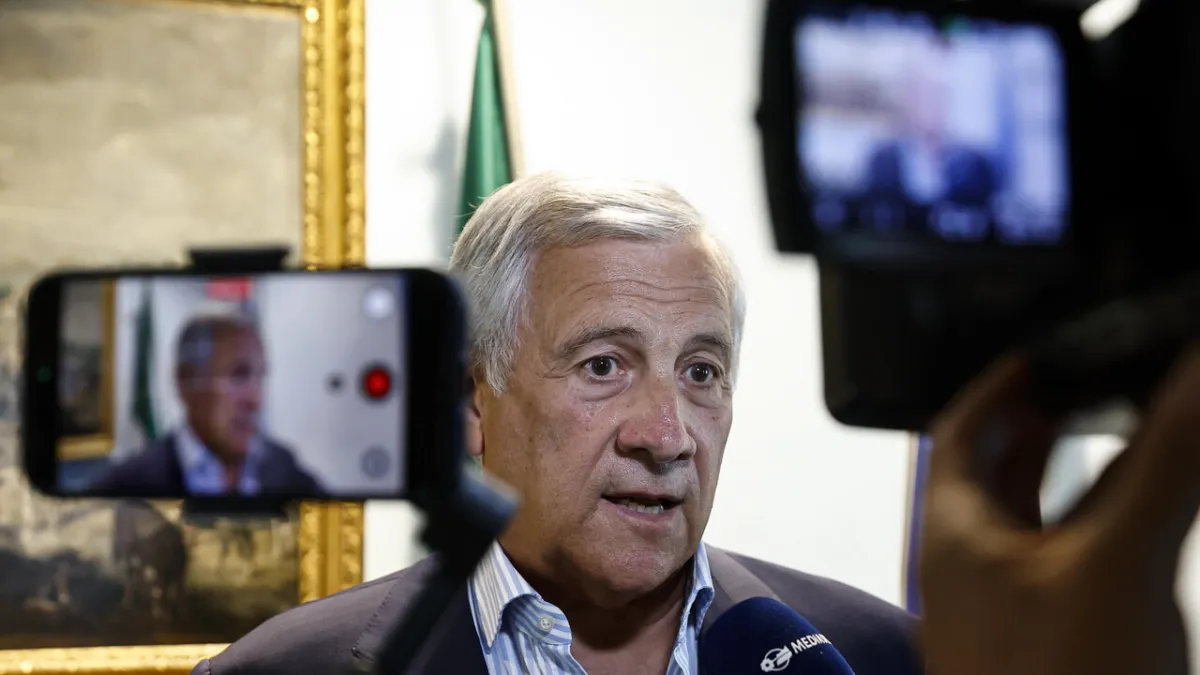
During a press conference at the CDU headquarters in Berlin, Merz firmly declared, 'We are shaken to our foundations, but I will not give up.' This statement is not merely a reflection of defeat but a call for introspection and party revitalization to address upcoming electoral challenges, especially ahead of federal elections.
This tremor in Sachsen-Anhalt exacerbates the CDU's position, which had previously faced pressure in several other states. Some German political analysts describe this situation as an 'alarm' for the current governing coalition and has triggered internal calls within the CDU to review their communication strategy and policy platforms.
The phenomenon of rising right-wing populist parties is not unique to Germany. Similar trends are visible in several other European countries, reflecting a global unease with political elites and globalization. The AfD's victory in Sachsen-Anhalt reinforces this pattern, marking a significant shift in the regional and national political map.
Several senior CDU figures, such as Minister-President Rhein, have also voiced the urgency of internal reform and unity. They urge the party to adopt a clearer and more cohesive political stance to regain voter trust, as summarized in the report CDU Terguncang Sachsen-Anhalt: Rhein Desak Politik Jelas dan Persatuan.
The long-term implications of these election results are expected to influence federal coalition formations. The ability of established parties to form stable governments is becoming increasingly challenging, given voter fragmentation and growing political polarization. The 'firewall' between the CDU and AfD also appears fragile, as highlighted in the article BSW Dikritik Pedas: Firewall CDU-AfD Runtuh Pasca Pemilu Sachsen-Anhalt 2026.
The German public now awaits how the CDU under Merz's leadership will respond to this critical situation. Whether they will take a confrontational path or seek common ground with disillusioned voters remains a big question. This outcome has even been dubbed a 'German Brexit' by some observers, indicating a potential decade of wild politics, as further explored in the article Stadelmann: Kemenangan AfD Cerminkan Brexit Jerman, Dekade Politik Liar Menanti.
Merz and the CDU now stand at a crossroads, facing difficult choices between upholding traditional principles or radically adapting to rapidly changing political dynamics. The ideological battle and the struggle for public sentiment will be their primary agenda in the coming years.
Editorial Insight: The events in Sachsen-Anhalt are not merely local election results but a broader reflection of public anxiety across Europe regarding policy direction and political representation. Merz's shock underscores the urgency for traditional parties to seriously re-evaluate their relevance in the eyes of increasingly vocal and demanding voters. Without an adaptive and substantial response, the political foundations in various countries, including Germany, risk further erosion.