 Stefani Rindus
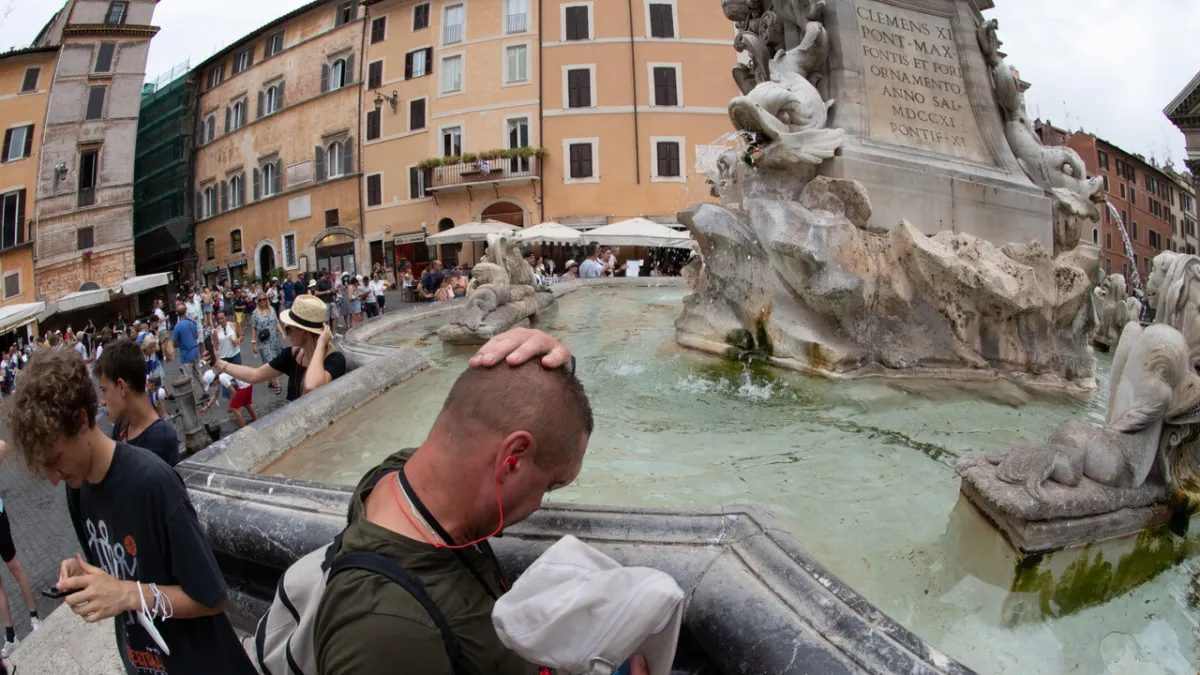
Rome – The extreme heatwave sweeping across Mediterranean Europe in 2026 has fundamentally altered the perceptions and experiences of millions of tourists. This intense weather phenomenon, peaking in mid-summer, has surprisingly exposed significant differences in tourist endurance, particularly between French travelers, who tend to be more vulnerable, and American tourists, who exhibit remarkable resilience to the scorching sun. This shift not only affects the regional tourism sector but also highlights global adaptation to climate change.
Temperatures in popular cities such as Athens, Rome, and Madrid have reportedly reached record highs in recent decades, often exceeding 40 degrees Celsius. These conditions necessitate major adjustments in travel schedules and holiday activities, from temporary closures of archaeological sites to changes in restaurant operating hours.
French tourists, who traditionally enjoy summer holidays in the Mediterranean, demonstrated a higher degree of discomfort. Many were reported seeking shade, limiting outdoor activities, and even shortening their stays. A lack of adequate cooling infrastructure in some destinations, an issue that previously emerged in budget debates concerning the procurement of school air conditioners in France, appears to contribute to this vulnerability.
In contrast, tourists from the United States appeared more stoic. While acknowledging the intense heat, they tended to adapt by purchasing protective gear, seeking out swimming pools, or simply postponing peak activities until later in the afternoon. Some tour operators even noted an increase in demand for evening or early morning tours from American groups.
'There\'s a clear cultural difference in adaptation,' stated Dr. Elena Rossi, a tourism sociologist from the University of Bologna. 'Perhaps due to their experience with more varied climates or better preparation, American tourists show notable resilience.'
This difference in response has economic implications. Destinations reliant on the French market face a decline in occupancy or tourist spending, while those attracting the American market might maintain more stable figures, albeit with altered consumption patterns.
This heatwave is not an isolated phenomenon but rather part of a global warming trend linked to climate change. Organizations like UNICEF have repeatedly warned of the long-term impact of climate disasters on life, including in the education sector and human mobility, as revealed in its report on the climate\'s impact on global child education.
Local governments and tourism industry players are beginning to seek adaptation strategies. These steps include promoting spring or autumn travel, developing air-conditioned facilities, and educating tourists on how to cope with extreme weather.
The shift in perception of Mediterranean Europe as a 'cool' summer destination appears inevitable. Experts predict that the coming years will see fundamental changes in holiday preferences and planning, driving innovation in the tourism sector.
Editorial Insight: The 2026 Mediterranean European heatwave phenomenon offers a stark illustration of how climate change directly impacts the global tourism industry and consumer behavior. The differing reactions between French and American tourists highlight the need for more personalized and comprehensive adaptation strategies from each destination country. This is not merely about temperature, but also about infrastructure readiness, cultural capacity to adapt, and risk perception. The future of tourism in this region will heavily depend on how quickly and effectively governments and industry players can innovate to offer comfortable and safe experiences in ever-changing climatic conditions.