 Demian Sahputra
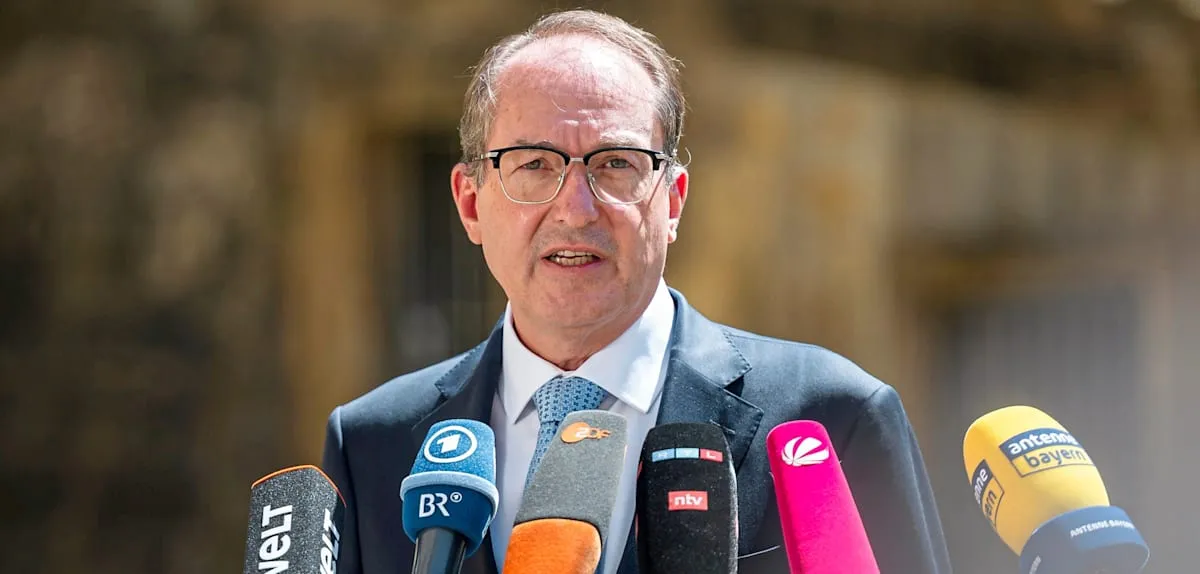
Ceuta — Concerns about a surge in irregular migrant flows at the European Union's borders once again peaked in 2026. The government of Ceuta, one of Spain's enclaves in North Africa, officially expressed its apprehension over massive calls on social media for a new wave of attempted mass crossings. Responding to this critical situation, Alexander Dobrindt, a senior politician from Germany's Christian Social Union (CSU) party, urged the European Union to reinforce its external borders with more robust “physical barriers,” as the EU affirmed its commitment to provide financial support to Spain.
The situation at the borders of Ceuta and Melilla often serves as a barometer of migration pressure on Europe. The widespread calls circulating on digital platforms triggered a strong alarm for local authorities. They anticipate the potential for incidents similar to previous years' mass crossings, which frequently ended in tragedy and chaos.
Dobrindt, known for his vocal stance on immigration issues, conveyed his view that an approach “solely with bureaucracy” is no longer sufficient. “The protection of the EU's external borders must include better and more effective physical barriers,” he asserted, highlighting the urgency to address existing security gaps.
The former German Minister of Transport's proposal underscores a paradigm shift in immigration policy across several EU member states, which are now tending towards more pragmatic and physically focused security measures. This perspective reflects dissatisfaction with the effectiveness of previous policies deemed insufficiently responsive to the dynamics of migrant flows.
The European Union, through the European Commission, has affirmed its commitment to assist member states on the front lines of the migration crisis. Spain, with Ceuta and Melilla as strategic entry points, is a primary recipient of this financial support. These funds are allocated to strengthen border infrastructure and enhance surveillance capabilities.
The implementation of physical border security measures is not new. High fences, barbed wire, and advanced surveillance technology have long been part of many countries' strategies to control inflows. However, Dobrindt argues that the intensity and coordination of these efforts need to be significantly increased across the entire external border of the European Union.
The migration crisis in the Mediterranean, which continues into 2026, forms the primary backdrop for this debate. A sea that should be a path of hope often turns into a mass grave for asylum seekers. Tragic incidents, such as the recent drowning of 17 migrants in the Mediterranean, reinforce calls for more comprehensive handling. Mediterranean Mourns Again: 17 Migrants Dead, EU Discusses Border Crisis
Humanitarian organizations and human rights groups voice their concerns. They argue that the addition of physical barriers could worsen conditions for migrants, compel them to seek more dangerous routes, and complicate access for those genuinely in need of international protection.
Conversely, proponents of these measures argue that strict border controls are essential for maintaining national sovereignty, national security, and managing socioeconomic capacities. They view it as a response to challenges posed by increasingly sophisticated human smuggling networks.
The Spanish government, which has long faced migration pressure, welcomes the promise of financial support from the European Union. This measure is expected to alleviate operational burdens and help integrate new technologies for early detection and rapid response to crossing threats.
Discussions regarding the strengthening of the EU's external borders are expected to be a major agenda item at the next European Council meeting. Leaders of member states will deliberate on long-term strategies that balance security needs with humanitarian commitments.
With evolving global geopolitical dynamics and ongoing regional conflicts, migration flows are predicted to remain a significant challenge for the European Union. Therefore, discussions on how to protect borders while upholding humanitarian values will continue to be a central topic.
Dobrindt's demands and Ceuta's concerns reflect the complexity of migration issues, which have no single solution. Every policy adopted must consider various dimensions, from security to ethics, to create a sustainable approach.
Political analysts predict that this debate will fuel a polarization of views among EU member states. Some countries will advocate for a tougher approach, while others will emphasize the need for more humane and integration-based solutions.
How the European Union will navigate this dilemma will ultimately determine the future of their migration policy and may also impact the bloc's internal cohesion in the years to come.