 Dodi Irawan
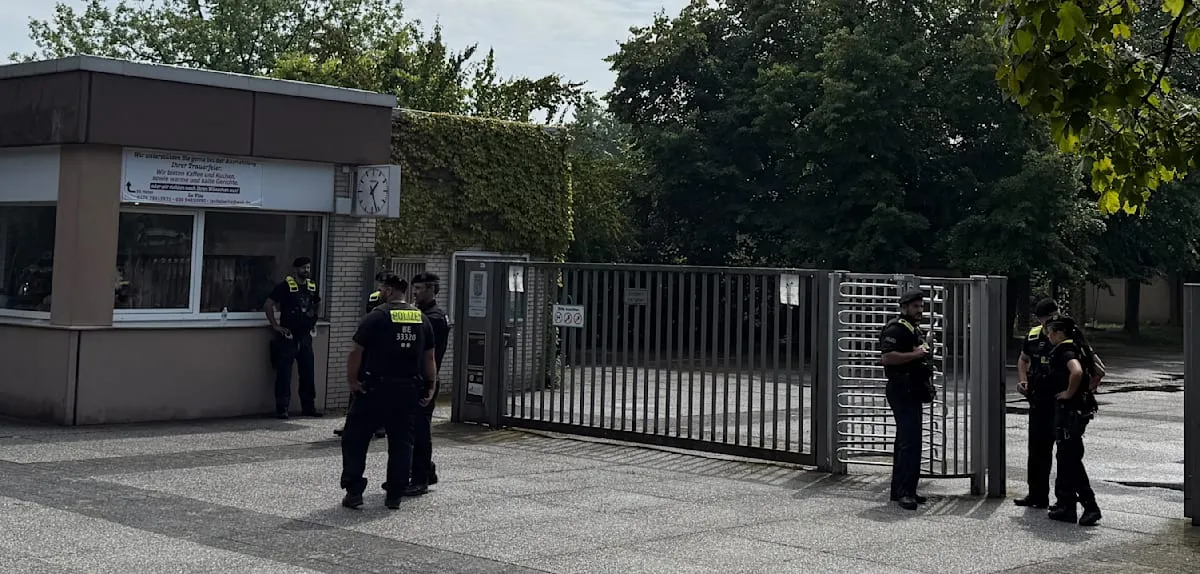
GATOW — A heavily guarded funeral in Gatow cemetery, Berlin, marked the end of the life of the Berlin Christopher Street Day (CSD) attacker. However, the shadow of tragedy still looms over the German capital. The weapon used in the brutal crime has yet to be found by security forces, triggering a wave of urgent questions from the public and legislators.
BERLIN — Concurrently with the funeral procession, the German parliament, the Bundestag, held a special session. This emergency meeting aimed to discuss the implications of the incident, seek accountability, and formulate concrete steps to prevent a recurrence of such events in the future. Public pressure on the government and security agencies has escalated.
The disappearance of the murder weapon is a crucial point in this investigation. The fact that the instrument used to take lives is still at large raises serious concerns about potential threats and the effectiveness of authorities in securing vital evidence. The public demands clarity and transparency from the authorities.
The Bundestag session became a arena for fierce debate. Politicians and representatives of security agencies struggled to shed light on who is responsible for the existing security gaps. Additionally, they delved into the political and social consequences arising from the CSD attack, which shook the values of freedom and tolerance in Germany.
The earlier CSD attack in Berlin has left deep wounds for the LGBTQ+ community and all Berliners who uphold diversity. This attack not only targeted individuals but also struck at a symbol of celebration for inclusivity and human rights.
The inability to find the murder weapon has fueled wild speculation among the public. Some parties suspect failures in the initial investigation procedures, while others fear the involvement of a third party who might have disposed of the evidence. This situation adds complexity to an already intricate investigation.
The German government, under Chancellor Scholz in 2026, faces a major dilemma. They must balance maintaining investigative confidentiality for justice with meeting public demands for accurate and open information. The credibility of law enforcement agencies is at stake in this case.
Security experts and criminologists highlight the importance of finding the crime weapon. According to them, the weapon's existence is not only key physical evidence but can also reveal motives, perpetrator networks, or even indications of a broader threat. Without the weapon, the true motive might remain a mystery.
Members of parliament urged that all resources be deployed to track down the missing weapon. They also called for a comprehensive evaluation of public security protocols and response mechanisms to acts of terrorism or hate crimes. Reforms in the security system have become a priority agenda.
Public reaction in BERLIN is diverse. Some voice anger, concern, and calls for unity against hatred. Social media serves as a primary platform for expressions of solidarity but also spreads rumors that sometimes complicate police work.
The National Security Council, also present at the special session, pledged to identify weaknesses in the surveillance and intelligence systems. They affirmed their commitment to strengthening inter-agency coordination to create a safer environment for all German citizens.
Post-attack recovery processes are also a concern. Psychologists and social activists are working hard to provide support to victims and traumatized communities. They emphasize the importance of solidarity and courage in facing latent threats of hatred.
This case will be a severe test for the German justice system. A protracted investigation, coupled with the loss of crucial evidence, can erode public trust. Therefore, speed and efficiency in handling the case are essential.
As the funeral procession concluded, and the debate in the Bundestag continued, one thing remains clear: the mystery of the undiscovered murder weapon will continue to haunt BERLIN, serving as a bitter reminder of security vulnerabilities and the challenges that must be faced in preserving democratic values and tolerance in this year of 2026.
The investigation will continue. The main hope lies in the authorities' ability to quickly find the missing weapon and provide complete answers to a society yearning for justice and a sense of security.