 Stefani Rindus
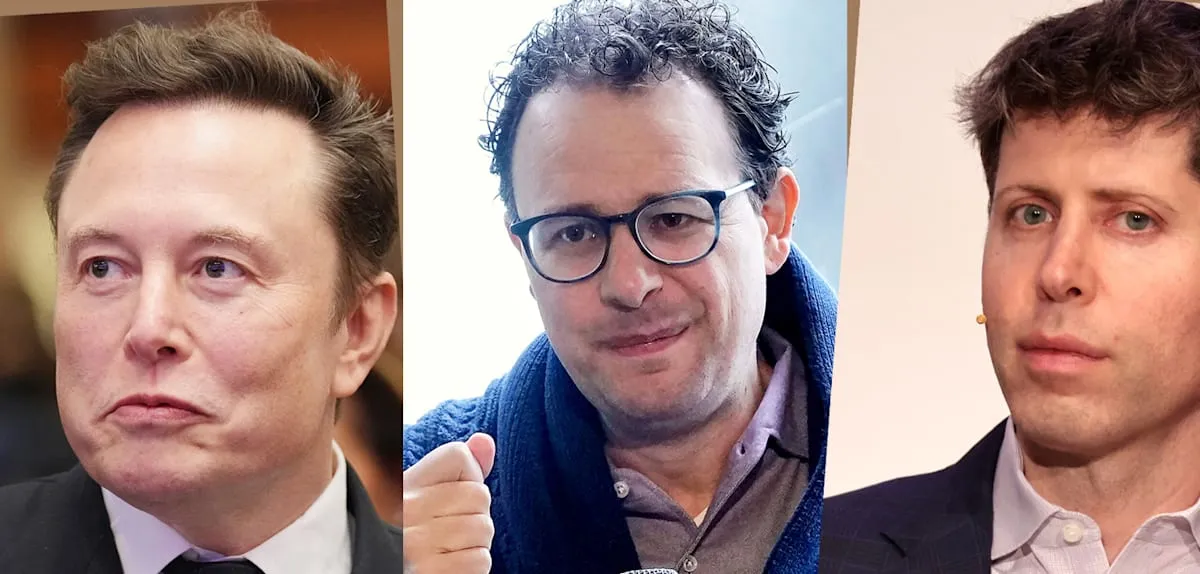
GLOBAL – Three of the most influential figures in the technology world, Dario Amodei, Sam Altman, and Elon Musk, have surprisingly called for a massive slowdown in the pace of artificial intelligence (AI) development. This collective statement, which became a major highlight this week, is based on an unusual reason: deep concern for the stability of their personal bank accounts if AI develops too rapidly to threaten human existence.
In a widely circulated statement, these leaders of prominent tech companies such as OpenAI, Anthropic, and xAI implied that the continued existence of humanity is not just an ethical or existential issue, but also the main foundation for their business models and wealth accumulation. Without human consumers, investors, and innovators, their financial coffers are at risk of significant damage.
Sam Altman, CEO of OpenAI and often the face of generative AI movement, implicitly stated that the pace of innovation must be balanced with comprehensive socio-economic impact considerations. If there are no more humans left to use our products, or even just to be a target market, then what is all this progress for? he said, implying the irony behind the relentless drive for technology.
Dario Amodei, co-founder of Anthropic, a company that emphasizes safe and responsible AI, added the perspective that the ethical framework of AI must now be expanded to include the economic sustainability of its developers. The billions of dollars we invest will mean nothing if the global ecosystem in which we operate suddenly disappears, Amodei said, highlighting the urgency of maintaining balance.
Meanwhile, Elon Musk, CEO of Tesla, SpaceX, and founder of xAI, previously known as a key driver of AI advancement, has now adopted a more cautious stance. He emphasized that the existential risks posed by AI not only threaten civilization, but also the capitalist ecosystem that has supported his business empire. Slowing down AI development is a strategic move, not just to prevent Armageddon, but also to ensure we still have customers in the future, he commented.
This call has sparked a wave of discussion among technology and economic experts. Many interpret this statement as a subtle satire on the increasingly uncontrolled pace of the AI race, where technological ambition sometimes forgets its fundamental purpose to serve and enrich human life.
Several analysts argue that beneath the satire lies a bitter truth about modern technologys dependence on human existence as consumers and resources. Capitalism, in its most extreme form, will lose its relevance if there is no market to exploit or humans to employ.
Governments and regulators in various countries have long urged a pause or strict regulation on AI development. US President Donald Trump previously expressed concerns about the negative power of AI if left unchecked, potentially threatening internet control and social stability. Read more in our related article: Trump Condemns AI Restrictions, Negative Forces Threaten Internet Control.
This phenomenon confirms that even the architects of the technological future are beginning to feel the pressure, both from the potential destruction they create and from unforeseen long-term economic implications. A fundamental question arises: are we witnessing a turning point where financial gain and human survival must explicitly synergize?
The slowdown urged by these moguls, though wrapped in irony, opens room for deeper reflection on how society and industry will navigate the AI era. It is a call to rethink the ultimate purpose of every innovation, not just the speed of its development.
Editorial Insight: The statement by the trio of tech moguls, though presented with a striking satirical touch, truly reveals the complex layers of the current AI dilemma. It is not merely about ethics or existence, but also the economic foundation that is at risk if technological progress spirals out of control. This is a sharp reminder that innovation without considering human sustainability is a paradox, even for accomplished tech capitalists. The implications are clear: the dialogue on AI regulation and direction must involve a broader spectrum, including projections of economic impact on civilization itself.