 Stefani Rindus
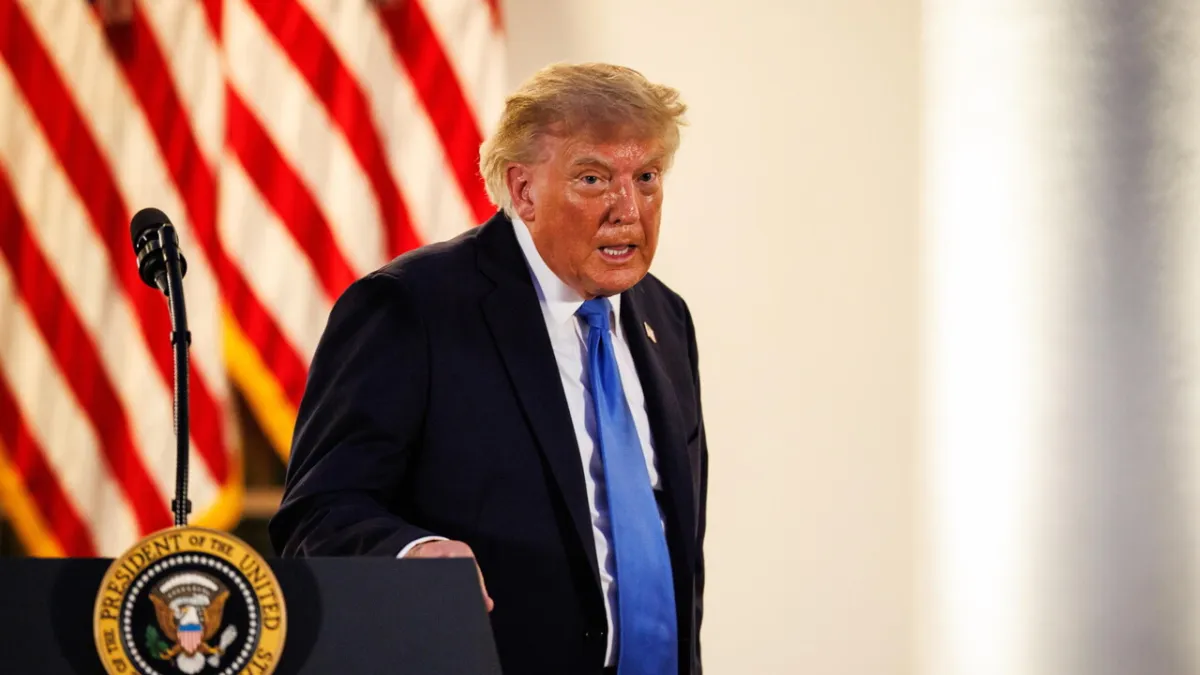
WASHINGTON – The United States has claimed to secure control over Venezuela's colossal oil reserves amounting to 65 billion barrels through a strategic agreement. President Donald Trump in 2026 announced the realization of a deal he called the biggest oil deal in history, marking a significant shift in the global energy and geopolitical landscape.
The agreement, whose full details are still awaited by the public, is believed to fundamentally alter the dynamics of global energy supply. Venezuela's oil reserves, among the largest worldwide, are now largely under Washington's direct influence.
President Trump asserted that this deal not only benefits the United States in terms of energy security but also has the potential to stabilize international oil markets. His statement was made during an impromptu press conference, fueling widespread speculation about the long-term implications of this bold move.
The acquisition of control over 65 billion barrels of oil is a substantial achievement for US energy policy. It ensures a stable supply and reduces dependence on other potentially volatile sources.
For Venezuela, this agreement is likely to bring complex economic impacts. While the potential influx of fresh funds could alleviate internal economic pressures, the sovereignty over the nation's strategic natural resources is now under scrutiny.
Global energy analysts predict that this move will trigger significant shifts in alliances and economic interests across the Latin American region. Some view it as a consolidation of US power, while others worry about potential regional tensions.
Relations between the United States and Venezuela have long been turbulent, marked by sanctions and diplomatic friction. This oil deal signifies a new chapter, one that may either pave the way for normalization or create new complexities.
The financial value of 65 billion barrels of oil at current market prices is estimated to be in the trillions of dollars. This makes the agreement a colossal economic transaction whose impact will be felt across the entire energy supply and consumption chain.
Multinational energy companies are expected to closely monitor the implementation of this agreement. The potential for new partnerships or concessions in Venezuela's oil sector could present significant investment opportunities, while also raising operational challenges.
The international public awaits further details regarding the agreement's mechanisms, including how the reserves will be managed and what conditions both nations have agreed upon. Clarity will determine global perceptions of the transaction's legitimacy and fairness.
Editorial Insight: The 2026 oil agreement between the United States and Venezuela represents a significant geopolitical maneuver, reaffirming President Donald Trump's role in shaping foreign policy. If successfully implemented, this deal could dramatically strengthen the US energy position, but it also risks deepening political polarization in Venezuela and provoking reactions from other nations with energy interests in the region. Careful post-deal management will be crucial to avoid conflict and ensure long-term stability.