 Chandra Wijayanto
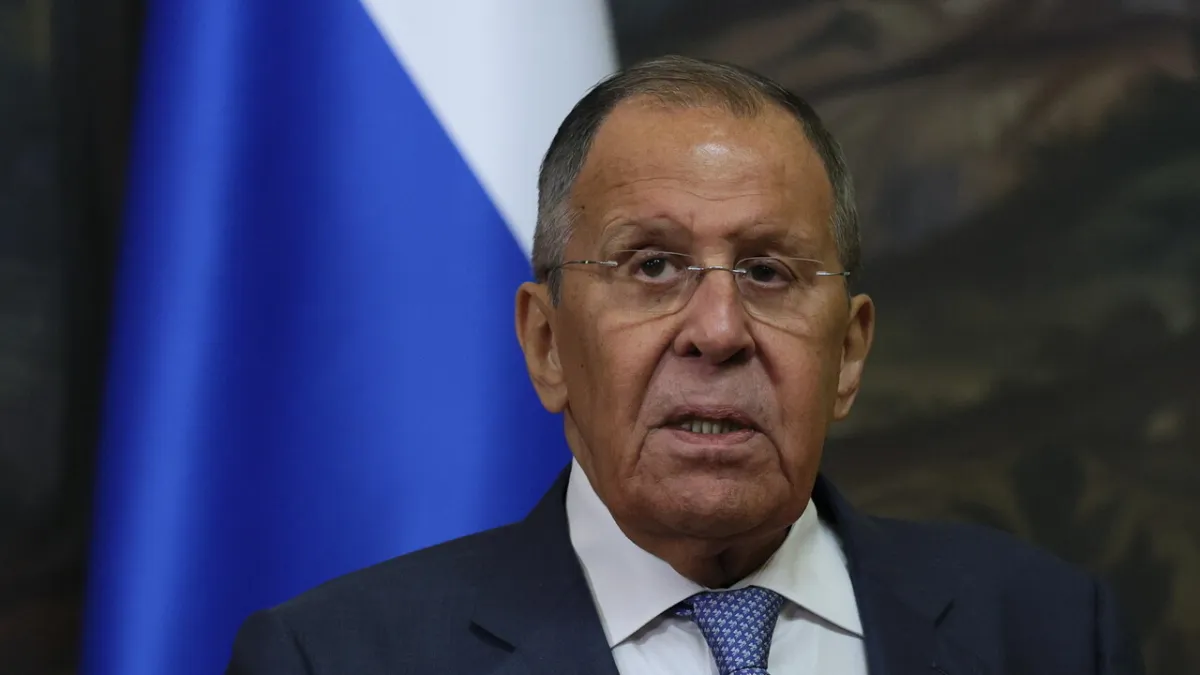
MOSCOW – Diplomatic tensions between Moscow and Berlin have reached a new peak with Russia's decision to close the operations of the Goethe Institute within its territory. This move was announced directly by Russian Foreign Minister Sergey Lavrov as a proportionate response to the earlier closure of the Russian cultural center in the German capital. This incident marks a new chapter in the deteriorating bilateral relations between the two nations.
Lavrov stated that the closure decision was an equivalent response to Germany's action against the Russian Cultural Center. This underscores the strong principle of reciprocity in international diplomatic practice, particularly amidst a heated geopolitical climate.
The Goethe Institute, which functions as Germany's cultural outreach arm abroad, has long been known as a crucial bridge for promoting the German language and cultural exchange between the two countries. Its presence in Russia has symbolized cross-cultural dialogue for several decades.
This closure not only impacts cultural and educational programs but also sends a strong signal regarding a deep crisis of trust. Analysts view this incident as an indicator that even non-political communication channels are now victims of escalating tensions.
Prior to this announcement, relations between Russia and Germany had already been at a low point. A series of sanctions, espionage accusations, and differing views on global conflicts, particularly in Eastern Europe, have eroded the foundations of previously established cooperation.
The Russian Cultural Center in Berlin, known as the Haus der Russischen Wissenschaft und Kultur, was closed by German authorities some time ago, triggering strong condemnation from Moscow. The German side cited the closure as a consequence of activities deemed inconsistent with its diplomatic status.
The closure of the Goethe Institute will inflict significant losses upon Russian citizens interested in learning German and exploring German culture. Similarly, it will affect German citizens who have utilized the facility for research or cultural interaction.
The long-term impact of this decision is expected to be broader, exacerbating the cultural isolation between Russia and Western countries. Exchange programs for students, artists, and intellectuals are likely to be hampered, hindering efforts for mutual understanding.
This crisis is not an isolated phenomenon. Similar diplomatic tensions frequently occur in various parts of the world, reflecting the complexity of current international relations. For relevant context, we can observe how this situation aligns with other rising global tensions, such as those that occurred during Germany Shakes Putin: Leipzig Drone Mastermind, NATO on Full Alert!.
The German government has yet to provide an official response to Lavrov's statement. However, diplomatic circles in Berlin are expected to evaluate the implications of this closure and consider subsequent steps.
The future of bilateral relations between Moscow and Berlin now appears even bleaker. Without cultural bridges, the space for constructive dialogue seems to be narrowing, potentially triggering more serious tensions.
Editorial Insight:
The closure of cultural institutions like the Goethe Institute reflects that diplomatic conflicts have transcended political and economic domains, encroaching upon the very fabric of social exchange. This action, while a reciprocal response, ultimately harms the civil societies of both parties who have benefited from cultural programs. This is a dangerous signal indicating that global polarization is intensifying, where culture, which should be a unifying force, is instead becoming a hostage to geopolitical tensions. The potential for further escalation, whether in the form of sanctions or diplomatic restrictions, warrants close observation moving forward.