 Dodi Irawan
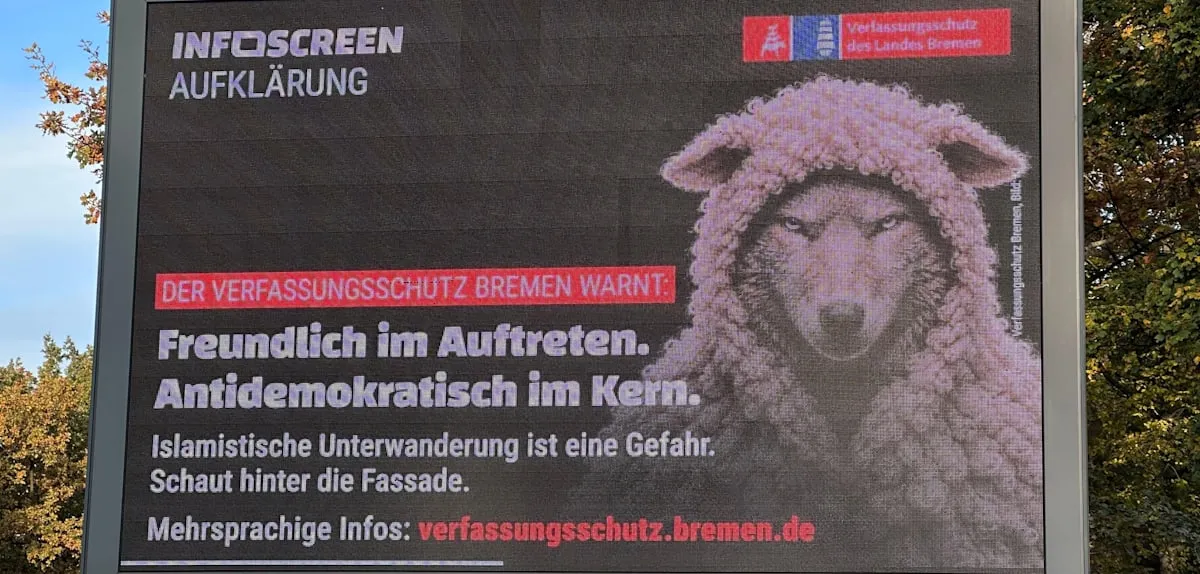
BREMEN – The Bremen Constitutional Protection Service surprisingly halted its anti-Islamism campaign, which had been running for less than two weeks. This decision came after a wave of protests and sharp criticism from the local Muslim community, who felt the campaign placed them under general suspicion. Interior Senator Eva Hoegl issued an immediate stop order, marking the end of the controversial initiative.
The campaign was launched on November 4, 2026, by Verfassungsschutz Bremen, with the aim of warning the public about the dangers of Islamist infiltration. The campaign materials disseminated focused on the potential threats from extremist ideologies that might penetrate various layers of society in the state.
However, instead of alleviating concerns, the campaign sparked deep dissatisfaction among Muslim residents. Many argued that the narrative and visuals used in the campaign did not specifically target extremism but instead created generalizations that harmed the entire Muslim community in Bremen.
A representative of the Muslim community, who wished to remain anonymous, stated, We support efforts against extremism, but this campaign made all of us feel accused. It creates distance, not closeness. Similar sentiments resonated widely on social media and at community meetings.
Within a short period, public pressure and criticism from various Islamic organizations and human rights groups peaked. They demanded that the local government re-evaluate a communication approach that tended to generalize and potentially divide society.
In response to the escalating situation, Interior Senator Eva Hoegl took decisive action. She ordered the campaign to be stopped, less than two weeks after its launch. This decision demonstrates the government's sensitivity to community responses and the urgency to maintain social cohesion in Bremen.
We understand the concerns raised by the Muslim community. The goal of this campaign was to protect society from extremism, not to stigmatize any religious group, Senator Hoegl said in an official statement. We will review our communication strategy to ensure that the messages conveyed are accurate and unbiased.
This move highlights an ongoing challenge for governments in Germany to balance national security efforts with the protection of civil and religious rights. The incident in Bremen is not the first of its kind, reflecting the complexity of handling extremism issues within multicultural societies.
The halt of this campaign also opens further discussion on how authorities can effectively educate the public about the dangers of extremism without alienating or targeting specific communities. A more nuanced and collaborative approach with various stakeholders is needed.
This event could also affect public perception of state security institutions and the credibility of their efforts to combat extremism. It is crucial for the government to rebuild trust through constructive dialogue and inclusive policies.
The Muslim community in Bremen hopes this incident serves as a valuable lesson for the government to be more sensitive to the impact of public policies and campaigns. They urge greater participation from community representatives in the formulation of such sensitive policies in the future.
For instance, issues regarding Germany facing other serious challenges can be found in related articles such as Germany in Turmoil: Chancellor Appears Wavering, Electricity Tax Cut Promise Awaited! which illustrates the political and social dynamics in the country.
Editorial Insight: Senator Hoegl's swift decision to halt the anti-Islamism campaign in Bremen reflects a crucial learning curve for governments dealing with sensitive issues like extremism. The importance of involving and understanding the perspectives of affected communities cannot be overstated. This incident underscores that public security campaigns must be carefully designed to avoid counterproductive effects, such as stigmatization and polarization. Moving forward, the government needs to prioritize inclusive dialogue and more precise communication strategies to build public trust and enhance the effectiveness of counter-extremism programs.