 Gabriella
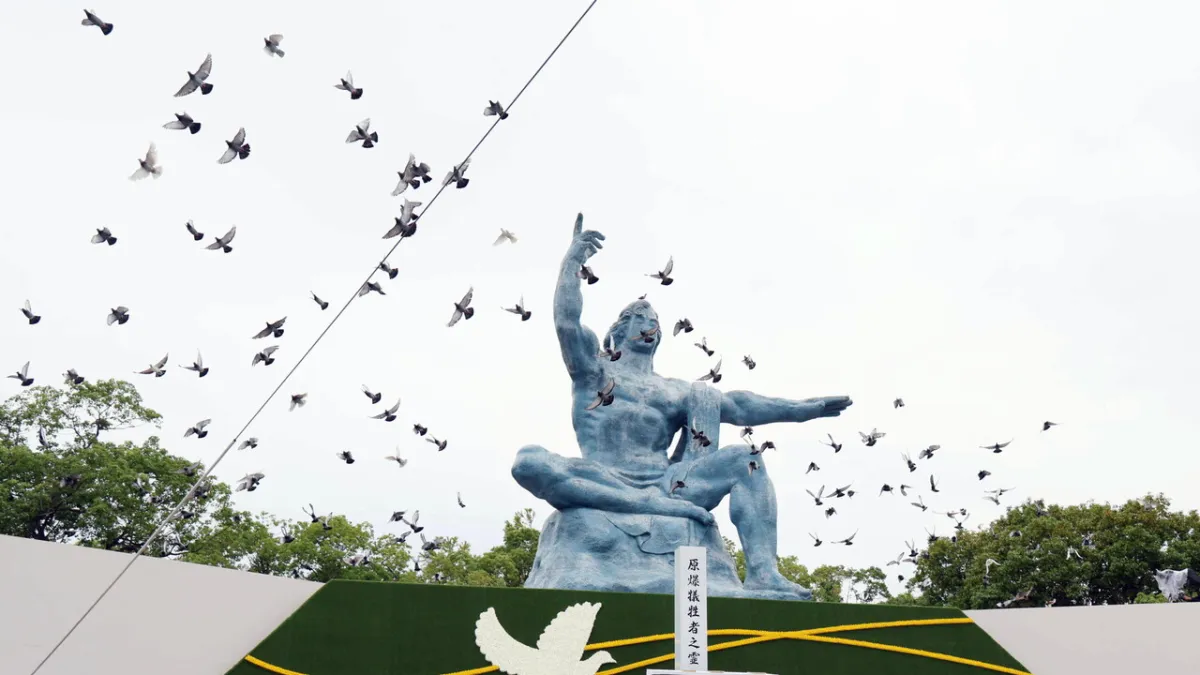
Nagasaki – The city of Nagasaki, Japan, in 2026 once again hosted the 81st anniversary ceremony of the atomic bombing that devastated the city on August 9, 1945. During the solemn event, Mayor Suzuki unequivocally delivered a speech, reaffirming his view that nuclear weapons constitute an “absolute evil” that must be eliminated from the face of the Earth, simultaneously calling for global peace.
Thousands of citizens, aging atomic bomb survivors, government officials, and representatives from various countries gathered at Peace Park, an iconic site that silently witnessed the destruction. They observed a moment of silence at 11:02 local time, the exact moment the atomic bomb was dropped more than eight decades ago, engulfing the city in a sea of fire and radiation.
The tragedy of August 9, 1945, is recorded as one of the darkest events in human history, where a plutonium bomb named “Fat Man” instantly claimed tens of thousands of lives and caused prolonged suffering from severe burns and radiation sickness. Its effects were felt for generations, leaving deep trauma for the victims and their families.
Mayor Suzuki, in his emotional yet powerful speech, declared, "Nuclear weapons are an absolute evil that must be completely eliminated from this world. There is no justification for their existence or use, for any reason whatsoever. We must work together to realize a world free from this devastating threat." This statement reflects Nagasaki's enduring commitment to peace.
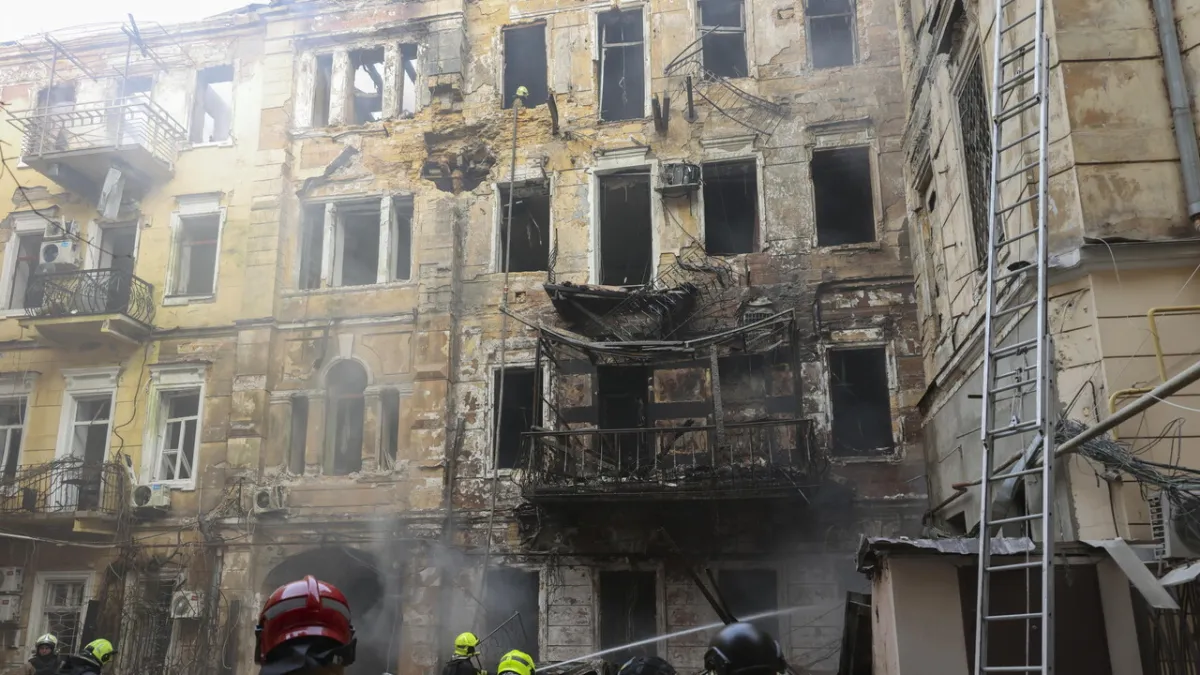
Mayor Suzuki’s call is increasingly relevant in 2026, amidst a global geopolitical landscape still shrouded in tension. The world continues to witness escalating regional conflicts, such as Russia's invasion of Ukraine and the dynamics of global armaments, which raise concerns about the potential use of weapons of mass destruction.
Japan, as the only nation to have experienced the horrors of atomic bomb attacks, plays a unique role as a leading advocate for nuclear disarmament. The bitter experiences of Hiroshima and Nagasaki serve as a constant reminder of the unimaginable consequences of nuclear war, prompting Tokyo to continuously call for the abolition of these deadly weapons.
The presence of hibakusha, the atomic bomb survivors, at this commemoration adds a deeply personal dimension. Their stories of suffering, loss, and the struggle to live serve as tangible testimonies to the horrors inflicted by nuclear weapons, emphasizing the importance of the message of peace for current and future generations.
The international community has made concerted efforts through various treaties and agreements, such as the Nuclear Non-Proliferation Treaty (NPT) and the Treaty on the Prohibition of Nuclear Weapons (TPNW), to control and disarm nuclear arsenals. However, their full implementation still faces significant obstacles, particularly from nuclear-weapon states reluctant to commit fully.
Therefore, the commemoration in Nagasaki also serves as a global appeal for more intense diplomatic dialogue and unwavering political commitment from all world powers. Active engagement and a willingness to compromise are key to achieving the noble goal: a safe world free from nuclear threats.
Nagasaki, with its tragic history, continues to stand as an enduring symbol of peace and resistance against weapons of mass destruction. This annual commemoration is not merely about remembering the past but also about reaffirming a collective hope for a safer future, where humanity can live without the shadow of atomic destruction.
Editorial Insight: The 81st anniversary of the Nagasaki atomic bombing in 2026 is not merely an annual ritual but a crucial reflection on the state of the world. Amidst escalating geopolitical uncertainties, Nagasaki's message about the “absolute evil” of nuclear weapons resonates profoundly. It demands global leaders not only to remember history but also to take concrete and proactive steps in addressing the very real nuclear threat, to ensure that similar tragedies do not recur.