 Demian Sahputra
KATHMANDU – A devastating natural disaster struck Nepal in 2026, particularly in the mountainous regions renowned as popular tourist and trekking destinations. A massive flash flood suddenly swept away settlements and infrastructure, raising serious concerns for the safety of residents and thousands of tourists. Although the exact cause remains under investigation, local authorities and hydrological experts strongly suspect that a glacial lake outburst was the primary trigger for this deadly natural phenomenon, referencing the vulnerable geological conditions of the Himalayas.
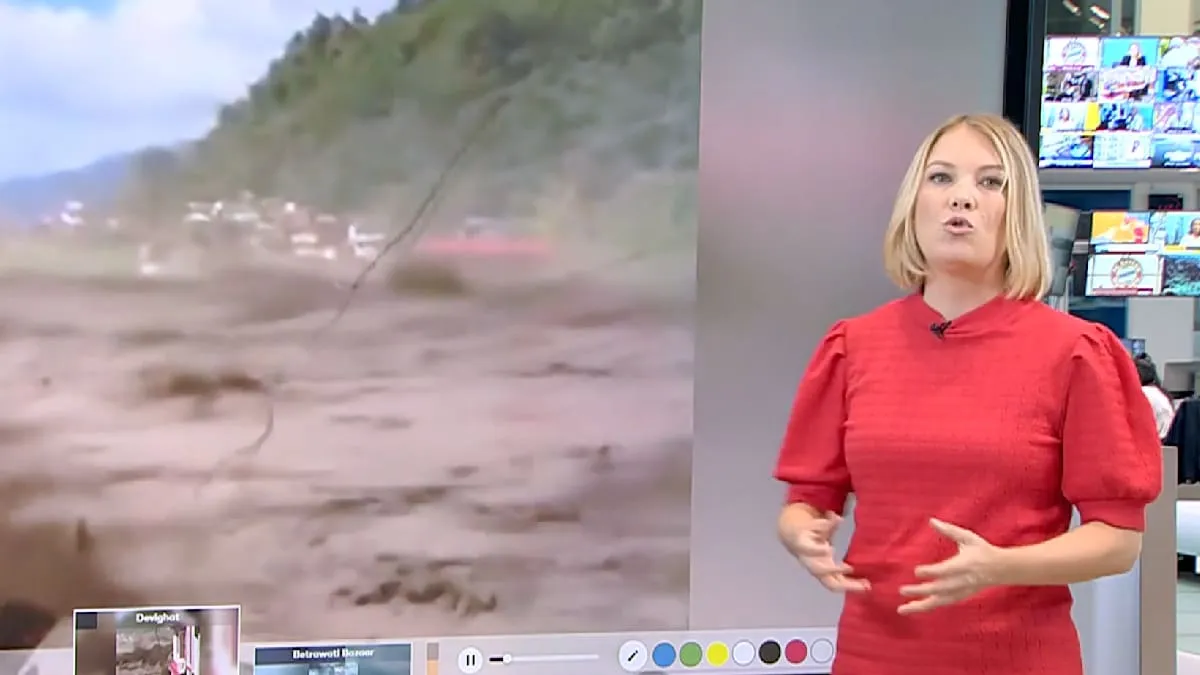
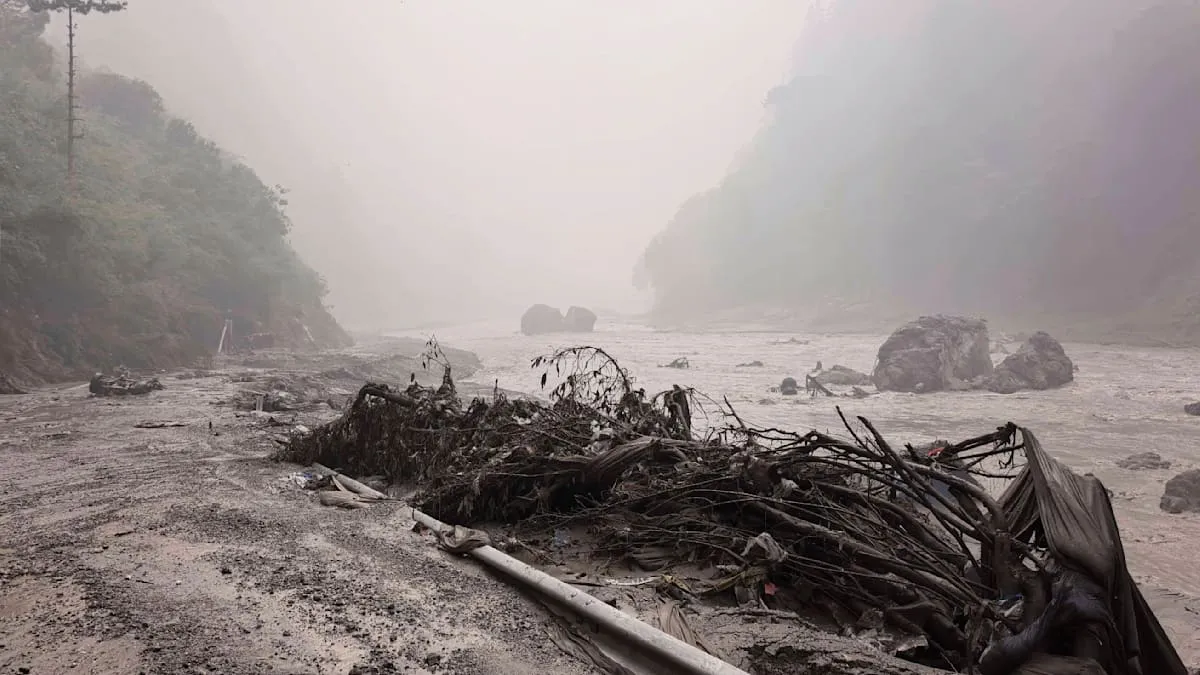
Initial reports from the scene depict a horrifying landscape of destruction. Raging torrents of water carried mud, rocks, and debris, demolishing bridges, roads, and damaging villages along their path. Rescue efforts are ongoing amidst difficult terrain, facing severe challenges due to severed communication lines and limited access.
The most affected areas are those frequently visited by trekkers and adventurers, often serving as routes to iconic Himalayan peaks. Many are now isolated, awaiting aid. The exact figures for casualties and missing persons have not yet been fully confirmed, but authorities state the numbers are likely to rise dramatically.
The phenomenon of glacial lake outburst floods (GLOFs) occurs when water contained in a glacial lake suddenly overflows or its ice dam collapses. Global climate change is reportedly accelerating glacier melt, forming new, fragile lakes at high altitudes. Similar incidents have been reported in this region previously.
A spokesperson for Nepals Ministry of Home Affairs, who wished to remain anonymous, stated, We are deploying all available resources for search and rescue operations. Our top priority is to evacuate those trapped and ensure emergency aid supplies reach remote areas.
The Nepalese government has issued danger warnings in several districts and urged the public to remain vigilant and avoid riverine areas. Rescue teams from various agencies, including the military and police, have been deployed to the site with helicopter support, although weather conditions often impede air operations.
The economic impact of this disaster is expected to be substantial, given that the tourism sector is one of Nepals main economic pillars. Infrastructure damage will require significant time and investment for recovery, while the regions reputation as a safe tourist destination may also be affected.
Climatologist Professor Surya Bikram from Tribhuvan University explained that such incidents are becoming more frequent. Global warming not only causes glaciers to melt but also destabilizes glacial lake structures. We must prepare for a higher frequency of similar disasters in the future if climate mitigation is not taken seriously.
Concerns also arise regarding the fate of hundreds of foreign tourists believed to be on trekking routes when the disaster occurred. Embassies of several countries have activated crisis centers to monitor their citizens and coordinate with the Nepalese government. This is not the first time Nepal has faced major hydrological disasters involving foreign tourists.
As previously reported in similar contexts, Nepal Hit by Flash Flood: Death Toll Rises Drastically, Dozens Dead! and Devastating Floods in Nepal-Tibet: Dozens Dead, Hundreds of Foreigners Mysteriously Missing!, the Himalayan region is indeed vulnerable to natural upheavals. This latest incident underscores the urgency of more comprehensive disaster mitigation and climate change adaptation.
International humanitarian organizations are also mobilizing to provide aid. They are supplying tents, food, clean water, and medicine to the victims currently housed in temporary shelters. Cross-sectoral coordination is vital for effective emergency response.
Editorial Insight: This flash flood in Nepal is not just a local catastrophe but a stark reflection of the global climate crisis. With the accelerating pace of glacier melt, the risk of GLOFs will continue to rise, threatening millions of lives and ecosystems in the Himalayan region. The Nepalese government and the international community must urgently strengthen early warning systems, build more resilient infrastructure, and invest in long-term research and mitigation of climate change impacts. Without proactive measures, similar tragedies will recur, hindering development and causing immeasurable losses.