 Debby Wijaya
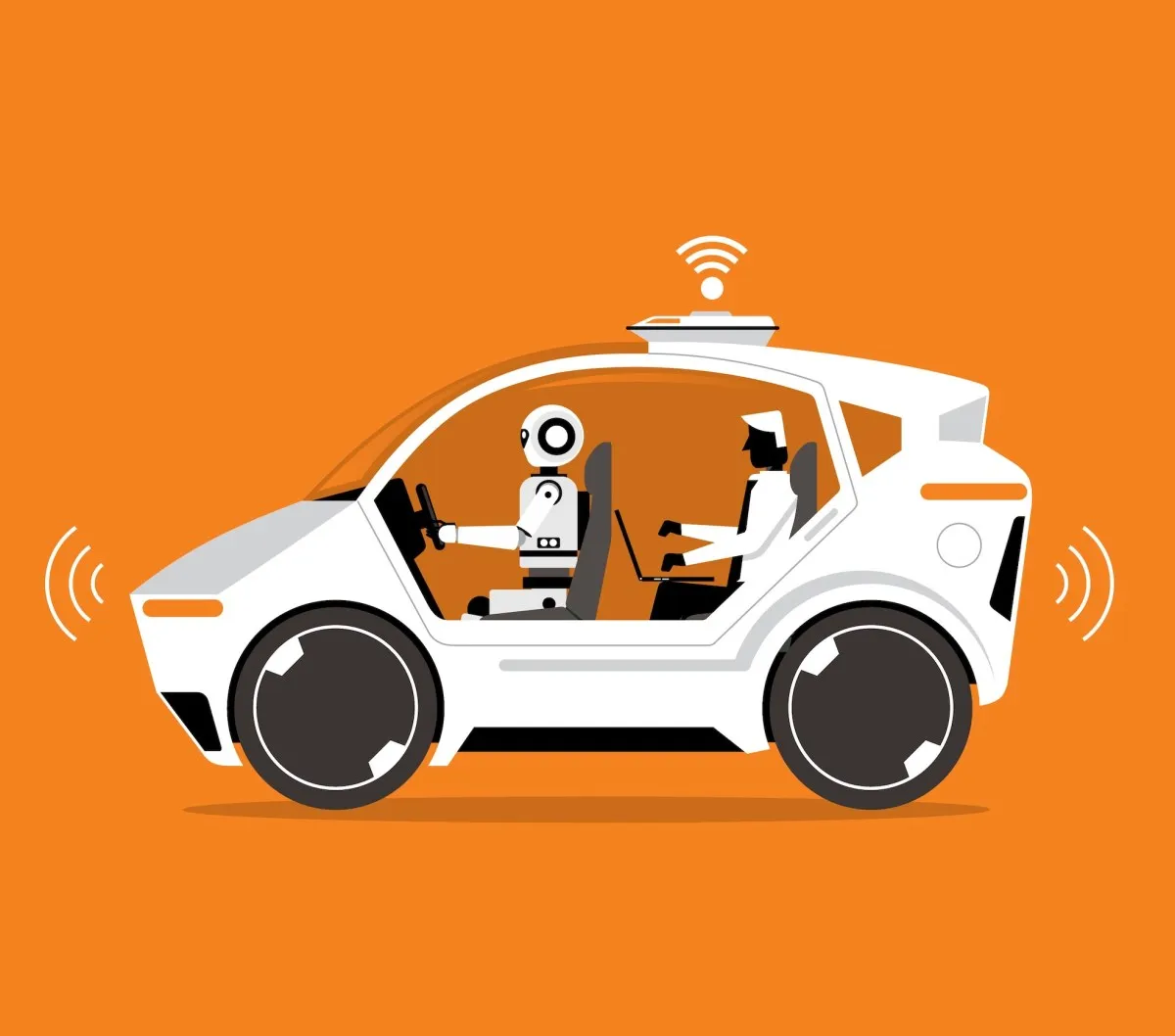
WASHINGTON – The global transportation industry in 2026 is undergoing a massive transformation, marked by a new wave in autonomous vehicle (AV) development. This surge is not merely a continuation of a trend but a revolution fundamentally driven by rapid advancements in increasingly mature artificial intelligence (AI) technology.
Leading mobility technology companies and automotive manufacturers are now shifting significant focus and investment into the AV sector. They believe that AI is key to overcoming the complex technical challenges that previously hindered the mass adoption of self-driving vehicles.
AI enables autonomous vehicles to understand their surroundings with unprecedented precision, process real-time sensor data from cameras, LiDAR, and radar, and make safe and efficient decisions. AI systems are now more adaptive to dynamic traffic conditions and extreme weather, significantly enhancing reliability.
Increased funding and interest in this technology reflect renewed optimism after a period of market adjustments. Investors see colossal long-term profit potential, not only from unit sales but also from mobility-as-a-service platforms.
The development of more sophisticated predictive algorithms and machine learning is at the heart of this technological leap. Vehicles no longer just react but can also anticipate the behavior of other road users, minimizing accident risks and optimizing travel routes.
Governments worldwide are also beginning to show more concrete support through adaptive regulatory frameworks. Clear policies are crucial to ensuring public safety while fostering responsible innovation on the roads.
The potential impact of autonomous vehicles on society is vast. From dramatic improvements in traffic safety and reduced congestion to better fuel efficiency, the benefits are expected to fundamentally reshape urban landscapes and regional connectivity.
However, ethical and social challenges remain a primary concern. Debates surrounding legal liability in accident cases and the potential disruption to the labor market, especially for professional drivers, still require comprehensive solutions.
Integrating autonomous vehicles with smart city concepts is also becoming increasingly relevant. Connected infrastructure, such as Vehicle-to-Everything (V2X) communication systems, will enhance AVs' ability to operate harmoniously within a broader transportation ecosystem.
Several industry players have reached significant milestones. For instance, innovative electric vehicle deliveries, as reported in the article Xiaomi Shakes Market: Electric Car Deliveries Exceed 50 Thousand Units in October 2026, demonstrate the automotive market's rapid adaptation to new technologies, including those leading to autonomy.
Startups and tech giants are investing in developing autonomous taxi fleets and driverless logistics delivery services. Trials in major cities are becoming more frequent, with results showing improved performance and safety.
Public acceptance is a key determining factor. Transparent education campaigns and safety demonstrations will be vital to building public trust in this still-futuristic technology.
Editorial Insight: The new AI-driven autonomous vehicle wave in 2026 indicates a paradigm shift from pure research to practical implementation. While significant obstacles remain, including regulatory aspects and social acceptance, AI advancements have paved the way for the realization of future transportation. Industry leaders and policymakers must collaborate to navigate these complexities, ensuring that the mobility revolution brings maximum benefits to humanity without neglecting ethical and safety considerations.