 Robert Andrison
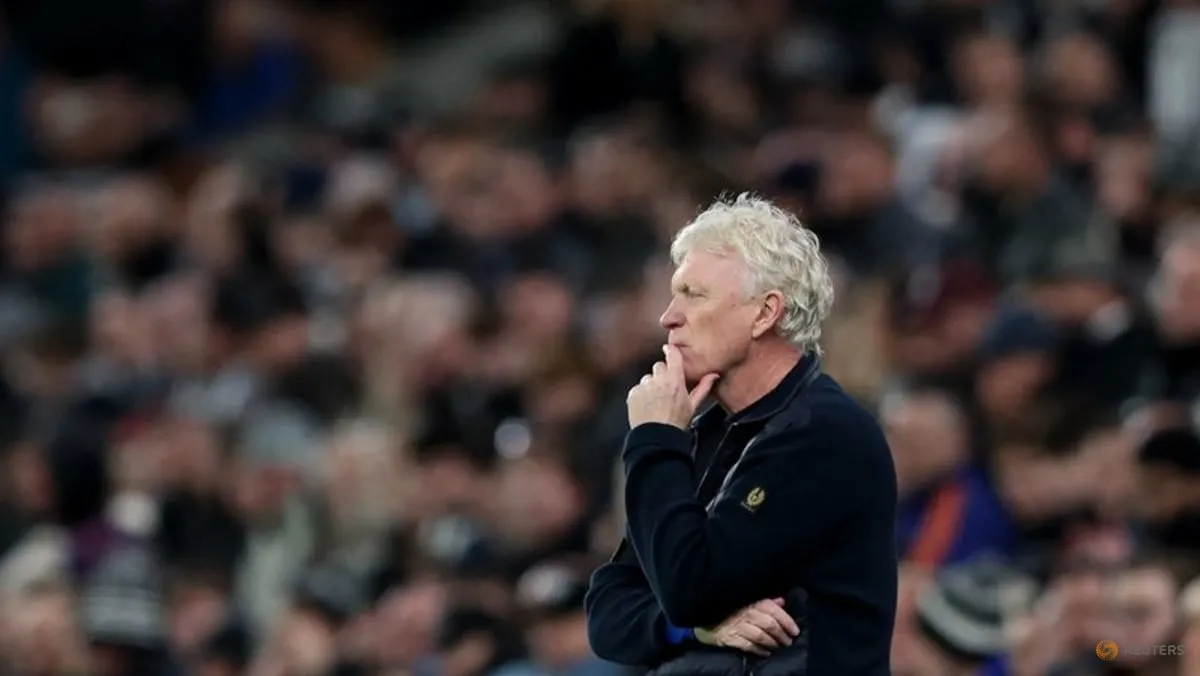
MANCHESTER – Over a decade after the departure of the legendary Sir Alex Ferguson, Manchester United continues to grapple with its identity and consistency under a revolving door of leadership. The English Premier League giants enter 2026 overshadowed by a glorious past proving difficult to replicate, marked by a succession of managers failing to restore supremacy.
The post-Ferguson era, which commenced in 2013, represents the most volatile chapter in Manchester United's modern history. Sir Alex, who served for 26 years and amassed 38 trophies, left a monumental void that has proven incredibly challenging for any successor to fill.
David Moyes, Ferguson's chosen successor, lasted merely ten months. The immense pressure and high expectations at Old Trafford proved an insurmountable burden, triggering a series of managerial decisions constantly under intense scrutiny.
After Moyes, Louis van Gaal attempted to instill a new philosophy, winning the FA Cup, but failed to secure a Champions League spot. Dissatisfaction from fans and club executives ultimately ended his tenure in 2016.
Jose Mourinho arrived with a reputation as a trophy winner, bringing home the League Cup and the Europa League. However, his pragmatic style and internal conflicts created tension, culminating in his dismissal in December 2018.
Ole Gunnar Solskjaer, a former club hero, then took the helm with hopes of restoring United's 'DNA'. Despite initially bringing positive spirit and a series of impressive results, inconsistent performance and a lack of major trophies led to his departure in 2021.
Ralf Rangnick was appointed as interim manager, tasked with stabilizing the team and initiating restructuring. His tenure was brief, but he highlighted structural issues within the club requiring serious attention, paving the way for Erik ten Hag.
Erik ten Hag, arriving from Ajax, was expected to be the architect of a long-term resurgence. He successfully won the League Cup and reached the FA Cup final. However, the team's fluctuating performance throughout the 2024/2025 season and the beginning of the 2025/2026 season continues to fuel intense debate about his future at Old Trafford.
The current situation in 2026 indicates that the quest for managerial stability is far from over. Speculation regarding potential successors remains rife, highlighting a rumored verbal agreement with Mauricio Pochettino that has been widely reported, shaking the transfer market.
Fans and analysts continue to question whether Manchester United will be able to find the right leadership formula to once again compete at the highest level, both domestically and in Europe. The club's management is under immense pressure to make the correct decisions for the future of an institution as grand as United.
Frequent managerial changes not only impact on-field performance but also financial stability and the club's appeal to top talents. Each new manager brings their own coaching staff, different recruitment philosophies, and short-term strategies that often do not align with a long-term vision.
This situation creates a recurring cycle where the team must adapt to a new system every few years. This hinders the development of young players, disrupts transfer strategies, and ultimately damages the club's image as one of the most prestigious sporting institutions in the world.
Editorial Insight:
Manchester United currently stands at a crossroads. The greatest challenge is not merely finding a brilliant manager, but also building a more robust club structure and a clear long-term vision. Without a strong foundation, any manager, no matter how talented, will struggle to leave an enduring legacy like their predecessor. A deal, such as the one rumored with Pochettino, could be a breath of fresh air, but true stability only comes from alignment of vision at all levels of management.