 Edward DP Situmorang
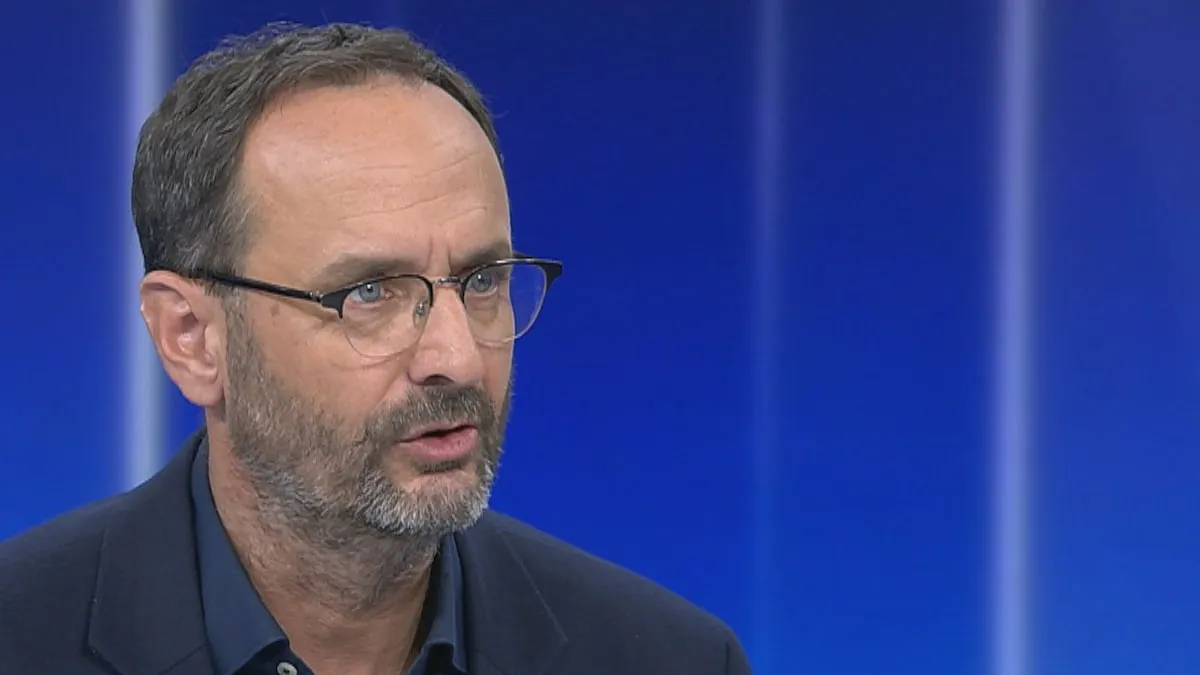
BERLIN – The credibility of Germany's fiscal policy has been shaken after Peter Tiede, Chief Political Author for the prominent newspaper Bild, launched a sharp criticism against Finance Minister Lars Klingbeil. In a recent online broadcast segment titled 'Meine WELT - Meine Meinung' aired in early 2026, Tiede openly voiced his profound frustration with the country's tax system, which he described as chaotic, even referring to himself as a citizen who is 'fed up and tired' due to the unclear rules.
Tiede's condemnation is not merely a personal complaint; it reflects a broader public anxiety. 'Nobody knows which tax applies,' Tiede stated, highlighting the increasing complexity of regulations that confuse taxpayers and businesses alike. This statement has become a central point of contention, implying a lack of consensus or uniform understanding among the public regarding their fiscal obligations.
Finance Minister Klingbeil, from the Social Democratic Party (SPD), is now under heavy pressure. He is required to provide explanations and concrete solutions for the administrative chaos highlighted by one of Germany's most influential political journalists. Such criticism has the potential to damage the image of the coalition government amid increasingly challenging global economic issues.
German citizens, known for their discipline in tax matters, are now feeling a double burden. In addition to economic pressures, they also face legal uncertainty that triggers frustration and mistrust towards state institutions. This situation presents serious challenges to the country's social and economic stability.
This chaos is not new. Previously, reports concerning tax estimates that stifled Germany's budget had indicated fundamental problems in fiscal planning. Tiede's criticism reinforces the view that these issues are rooted in deeper structures, not just temporary fluctuations.
The phrase 'As a taxpayer, I am fed up, annoyed, and finished' uttered by Tiede, vividly illustrates the level of despair prevailing. This expression, originating from his original statement 'Ich bin als Steuerburger abgefressen, angegessen, bedient', underscores the emotional and administrative burden felt by the public.
This is no longer ordinary constructive criticism. Tiede's statement represents a strong appeal from a citizen who feels neglected by a system that should serve them, widening the gap between the government and the people.
Demands for transparency and simplification of the tax system are growing stronger. The public awaits a quick response and concrete actions from the Ministry of Finance to ease tensions and restore trust. Failure to respond could trigger greater political turmoil.
The role of media outlets like Bild and Welt is crucial in articulating public concerns. With broad platforms, they are able to highlight government weaknesses and push for accountability from policymakers. This is a fundamental function of journalism in a healthy democracy.
Editorial Insight: Peter Tiede's strong criticism of Finance Minister Lars Klingbeil is not just an isolated incident but a serious indicator of a potential crisis of public trust in Germany's fiscal management. Amid global economic challenges in 2026, internal stability, including a clear tax system, is a crucial foundation for national resilience. Klingbeil and the cabinet must immediately formulate concrete steps, not only to simplify tax regulations but also to communicate these changes transparently, or risk facing a larger wave of discontent. This issue could become a major stumbling block for the coalition government in maintaining its legitimacy and public support.