 Robert Andrison

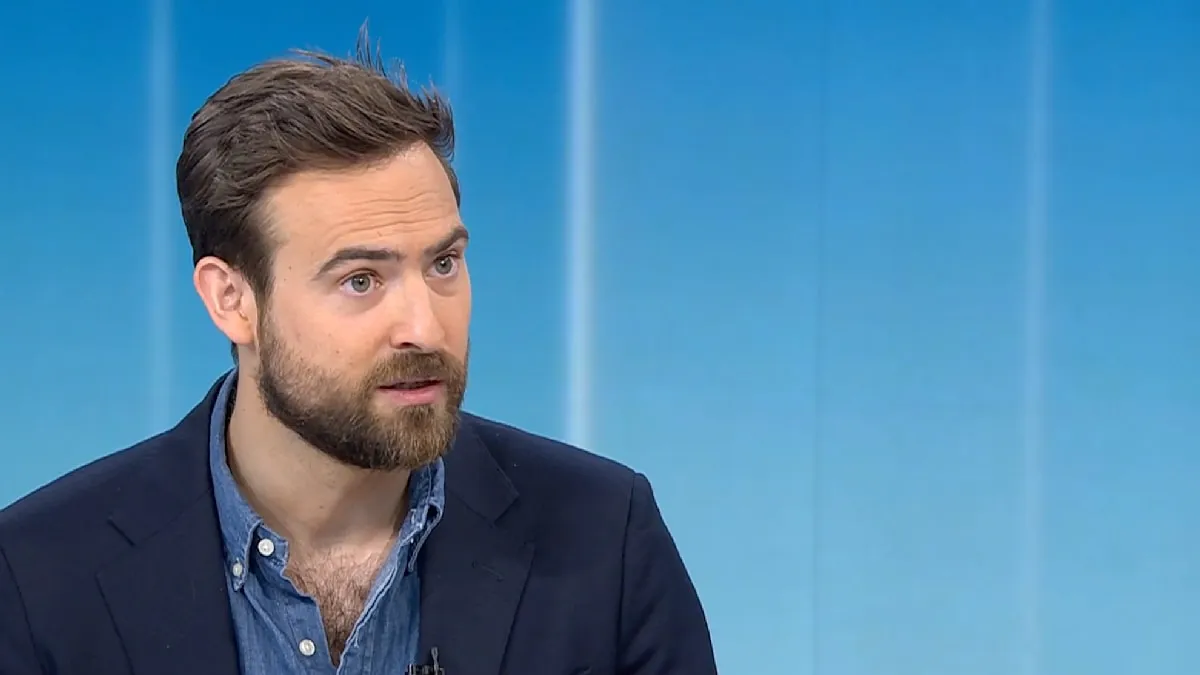
PARIS – The debate surrounding the recognition of public service dedication in France has resurfaced, following a compelling piece by Theophile Delfino, a history, geography, and civic education teacher, published in Le Monde. Delfino unequivocally stated that 'symbolic recognition in public service professions sometimes becomes the currency for work that one prefers not to quantify financially.' This assertion calls for the concrete consideration of the inherent vocation of state employees within upcoming finance laws and public sector reforms.
Delfino highlights how the dedication and calling of public agents, from teachers to healthcare workers, are often perceived as a free and invisible contribution to the state's operational functioning. This phenomenon, he argues, creates an 'invisible subsidy' that significantly underpins government performance without ever being explicitly recorded in budgetary ledgers.
From his perspective, the intrinsic value of this spirit of public service frequently escapes economic calculations, impacting remuneration and working conditions. This is a crucial issue in France, a nation heavily reliant on the effectiveness and loyalty of its public sector to deliver a wide array of vital services to its citizens.
He contends that the financial legal framework, including the annual budget, must explicitly accommodate and value this dimension. Without adequate recognition, both moral and material, the risks of demotivation and a decline in public service quality pose a tangible threat to social stability.
Symbolic recognition, though intangible, possesses significant motivational power. However, when this recognition becomes the sole form of appreciation, unaccompanied by fair compensation, it has the potential to exploit the spirit of service. This situation leads to fundamental questions regarding fairness in the remuneration system for public servants.
The concept of an 'invisible free subsidy' articulated by Delfino is more than just rhetoric. It reflects the reality that many public sector jobs demand more than just paid working hours. They require emotional commitment, social responsibility, and often personal sacrifices that extend beyond formal job descriptions.
Therefore, public sector reforms must not only address administrative efficiency or institutional restructuring. Furthermore, they must embrace a re-evaluation of the human contribution's value that underpins every state function. Comprehensive finance laws need to provide mechanisms to quantify and reward this value.
This demand places the government before a serious dilemma: how to balance budgetary constraints with the need for a transparent and fair reward system. Ignoring this dimension of recognition would be tantamount to undermining the ethical and moral foundations that sustain the state.
In 2026, amidst various global economic and social challenges, countries like France are increasingly pressured to optimize their human resources. Adequate recognition for public servants can be a strategic investment that boosts morale, productivity, and the attractiveness of public service professions for younger generations.
Theophile Delfino's perspective is not merely a critique but an invitation to re-examine the philosophy of human resource management in the public sector. He emphasizes that building a strong nation begins with valuing those who dedicate themselves to the common good.
Editorial Insight: Theophile Delfino's perspective strikes at the core problem of frequently undervalued public service in fiscal calculations. If the French government is serious about improving the quality of public services, it must move beyond rhetoric and implement budgetary policies that concretely reflect the value of this 'vocation.' Failure to do so could lead to an erosion of morale and an exodus of top talent from the public sector, an immeasurable loss. This is a universal challenge, not only for France but for every nation relying on the dedication of its civil servants.